

Ohio winters are no joke. From lake-effect snow in the northeast to heavy accumulations across the state, your driveway and walkways can quickly be buried under deep powder. A reliable snow blower isn’t a luxury, it’s a necessity for keeping your property accessible and safe.
In this guide, we’ve evaluated the top snow blowers for Ohio, focusing on models that handle heavy snow, deep drifts, and large driveways. We’ll compare gas, electric, and cordless options, and highlight the key features that matter most for Ohio residents. We’ve also linked to our complete list of snow blowers for a full comparison.


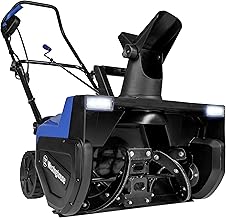


Buying Guide: What to Look for in a Snow Blower for Ohio
Clearing Width and Depth
The clearing width determines how quickly you can clear a path. For Ohio’s average driveway, a width of at least 20 inches is practical, but if you face heavy snowfall, consider 24 inches or more to reduce passes. Depth matters too; a machine with a deeper intake can handle bigger drifts. For the worst lake-effect zones, a 24-inch two-stage model like the best snow blower for Buffalo users rely on is a smart investment.
Power Source: Gas, Electric, or Cordless
Gas models like the PowerSmart 24-inch offer robust two-stage power, ideal for large areas and wet, heavy snow. Electric corded models are lighter and require no fuel, but their range is limited by the cord. Cordless battery-powered units have improved dramatically, with high-voltage models like EGO boasting impressive runtimes and power. For Ohio’s varied conditions, consider your driveway size and how often you clear snow; urban homeowners might prefer the quieter battery option, as discussed in our best snow blower for Chicago guide.
Throw Distance and Chute Control
A snow blower’s throw distance determines how far snow is tossed from the driveway. Look for adjustable chutes that can rotate 180 degrees or more, allowing you to control direction. Models with a 25-30 foot throw are sufficient for most Ohio homes. If you live along the lake-effect belt, you’ll want the longest throw possible to avoid blowing snow back onto cleared areas.
Self-Propelled vs. Single-Stage
Self-propelled snow blowers are easier to maneuver on uneven surfaces and are better for larger driveways. Single-stage models are lighter and more affordable, but they struggle with deep snow. For Ohio’s variable conditions, a two-stage self-propelled unit often provides the best balance of power and control, especially on gravel or inclined driveways. If you’re weighing options for similar northern climates, our best snow blower for Massachusetts guide offers valuable insights.
Final Thoughts
Choosing the best snow blower for Ohio depends on your specific needs: driveway size, snowfall intensity, and power preferences. For those facing substantial lake-effect snow, the PowerSmart 24-Inch Gas Snow Blower with 212cc delivers reliable two-stage performance. If you prefer a cordless solution, the EGO Power+ SNT2122 21″ Single-Stage Snow Blower offers impressive battery power and lightweight handling. Both models are top contenders and will keep your property clear throughout the winter.
Frequently Asked Questions
How much snow can a single-stage snow blower handle? A single-stage snow blower is typically best for up to 8-9 inches of powdery snow. For heavy, wet snow or deep drifts, a two-stage model is more effective. In Ohio, where snow can accumulate quickly, a two-stage unit is often a safer investment.
Are cordless snow blowers powerful enough for Ohio winters? Modern battery-powered snow blowers, like the EGO Power+ series, have matured significantly. As of 2026, many cordless models can rival gas blowers in clearing power, especially for moderate snowfall. However, for very large driveways or heavy lake-effect snow, a gas model may still be preferable.
What size snow blower do I need for a typical Ohio driveway? A clearing width of 20 to 24 inches is generally sufficient for most residential driveways. If your driveway is long or involves gravel, consider a wider, self-propelled model. Measure your driveway and compare the clearing width to reduce time and effort. For more guidance, see our best snow blower for Washington state recommendations.
Is an electric snow blower eco-friendly? Yes, electric and battery-powered snow blowers produce zero emissions, lowering your carbon footprint. They are also quieter, making early-morning clearing less disruptive to neighbors. Cordless models offer the convenience of no cords, but you’ll need to manage battery runtime.


Write Your Review
No reviews yet. Be the first to share your experience!