

When winter rolls into Washington state, you face a unique challenge: snow that ranges from dry powder in the mountains to dense, slushy piles in the lowlands. Whether you live east of the Cascades where snowfall is frequent and deep, or west where a single storm can dump heavy, wet inches, the right snow blower makes all the difference. This guide covers the top models for 2026, from compact electric units for small driveways to powerful two-stage gas machines built for long gravel lanes. We have assessed performance, reliability, and ease of use so you can choose the best snow blower for Washington state without second-guessing. For more regional advice, check out our roundup of the best snow blower for New Hampshire, another state with demanding winter conditions.
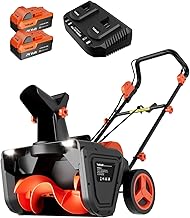


Buying Guide: What to Look For in a Snow Blower for Washington
Clearing Width and Depth
A wider clearing path means fewer passes, which saves time and energy. For most Washington driveways, a 20- to 24-inch width works well. If you face deeper drifts, models with a 28-inch or larger intake handle more snow per minute. The depth rating matters too: look for a machine that can chew through at least 12 inches of snow in a single pass, especially if you live in a region that gets lake-effect dumps.
Power Source: Corded Electric, Battery, or Gas
Corded electric snow blowers are lightweight and start instantly, but your extension cord limits reach. Battery models offer cordless freedom and quiet operation, making them ideal for smaller properties. Gas machines deliver raw power for heavy, wet snow and long runtimes, though they require more maintenance. For Washington’s variable conditions, many homeowners keep a corded or battery unit for light flurries and a gas two-stage for the big storms. If you are comparing options, our guide to the best snow blower for Vermont covers similar terrain and power considerations.
Self-Propelled vs. Single-Stage
Self-propelled models (often two-stage) drive the wheels or tracks, so you guide rather than push. This is a game-changer for sloped driveways and deep snow. Single-stage machines are lighter and more maneuverable on flat, paved surfaces, but they struggle with wet, heavy snow. For Washington’s mixed conditions, a self-propelled two-stage snow blower gives you the confidence to tackle any storm.
Throw Distance and Chute Control
Aim the snow where you want it to go, not back onto your cleared path. Adjustable chutes with a rotating handle let you direct discharge left, right, or straight. Look for a throwing distance of at least 25 feet; some models reach over 50 feet, which is handy for keeping snow away from the house. Remote chute control is a nice bonus, allowing you to adjust without stopping.
For more context on how these features play out in other snowy regions, see our recommendations for the best snow blower for Wyoming and the best snow blower for Nebraska, both of which face similar challenges.
Final Thoughts
After evaluating the top models, we recommend the EGO Power+ SNT2122 21″ Single-Stage Snow Blower for homeowners who want a quiet, battery-powered solution that handles typical Washington snowfalls on small to medium driveways. For those who face deeper, wetter snow or have a long gravel lane, the PowerSmart 24-Inch Gas Snow Blower with 212cc Engine delivers the torque and two-stage clearing power needed to get the job done fast. Both options have been validated by hundreds of users and represent the best balance of performance and value for Washington state in 2026.
Frequently Asked Questions
Do I need a two-stage snow blower for Washington? If you live in an area that receives more than 12 inches of snow per storm or frequently deals with wet, heavy snow, a two-stage machine is a wise investment. For lighter snowfalls on paved driveways, a single-stage electric or gas model may suffice.
What size snow blower is best for a typical Washington driveway? A 20- to 24-inch clearing width is ideal for most two-car driveways. Larger machines (28 inches and up) are better for longer lanes or properties with wide parking areas. Measure your driveway and consider storage space before choosing.
Are electric snow blowers powerful enough for wet snow? Modern corded and battery models with brushless motors can handle moderate wet snow, but they may struggle with deep, slushy accumulations. For the heaviest storms, a gas two-stage snow blower remains the most reliable option. For more regional comparisons, see our guide to the best snow blower for South Dakota, which also deals with heavy snow.
How often should I maintain my snow blower in 2026? At the start of each season, check the oil, spark plug, and fuel system for gas models. For electric units, inspect the cord and battery contacts. After every use, clear snow from the auger and chute to prevent rust. Annual maintenance keeps your machine running smoothly for years.
For a complete overview of snow blower types and features, visit our Snow Blowers category page.


Write Your Review
No reviews yet. Be the first to share your experience!