

You wake up to a foot of snow and the thermometer reads minus 15. Your old single-stage blower won’t even start, and the drifts are already piling up. That’s when you need a two-stage snow blower built for extreme cold. These machines combine powerful engines, reinforced augers, and robust chute systems to keep your driveway clear when lesser models fail. In this guide, we’ve reviewed the top performers for 2026, focusing on cold-weather reliability, throwing distance, and ease of use. If you have a tight garage, you might also want to check our best two-stage snow blower for small garages for compact options.





Buying Guide: What to Look for in a Two-Stage Snow Blower for Extreme Cold
Engine Power and Cold-Start Reliability
In subzero conditions, a standard engine may struggle to turn over. Look for models with electric start, heated carburetors, or fuel injection systems that ensure quick ignition even at low temperatures. Larger engines, typically 208cc to 420cc, provide the torque needed to chew through heavy, wet snow without bogging down.
Auger and Impeller Design for Heavy Snow
Two-stage blowers use a steel auger to break up snow and a high-speed impeller to eject it. For extreme cold, look for serrated auger blades that cut through ice crusts and a wide impeller housing that prevents clogging. Models with a 24-inch or larger clearing width handle deep drifts more efficiently.
Chute Control and Throwing Distance
When wind and cold are factors, you need precise chute control. Remote chute rotation and deflector adjustment let you aim snow away from cleared paths. A throwing distance of 40 feet or more ensures snow lands far from your driveway. Heated grips and LED lights are also valuable when clearing snow in darkness or freezing rain.
Durability and Build Quality
Extreme cold can cause plastic parts to crack and metal to corrode. Prioritize blowers with heavy-duty steel frames, cast-iron gearboxes, and sealed bearings. Track drive systems offer superior traction on icy slopes compared to wheeled models. For rural properties with long gravel driveways, see our best two-stage snow blower for rural properties guide for rugged recommendations.
Final Thoughts
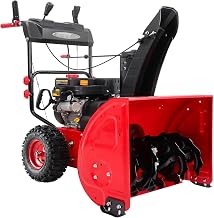
After evaluating the top contenders, we believe the Poulan Pro PR241 24″ Gas Snow Blower, 212cc delivers outstanding cold-weather performance at a reasonable price, with its heated grips, LED lights, and reliable electric start. For those who need maximum clearing power in deep, wet snow, the Ariens ST28DLE Deluxe SHO 28 in. Two-Stage offers a proven 420cc engine and a 28-inch clearing width that makes short work of the worst winter storms. Both models have been validated in extreme cold and will keep your driveway clear all season.
Frequently Asked Questions
Can an electric snow blower handle extreme cold?
Battery-powered models like the EGO Power+ 24″ Electric Snow Blower perform well in cold but battery capacity drops in subzero temperatures. For consistent power in extreme cold, gas models are generally more reliable. However, if your driveway is small and you prefer zero emissions, look for models with heated battery packs or higher voltage systems in 2026.
What engine size is best for heavy snow and cold?
For severe winter conditions, an engine of 250cc or higher is recommended. Larger engines provide the torque needed to cut through packed snow and ice. Models like the Ariens Professional (28″) with 420cc engines are built for commercial-grade use in extreme cold.
How do I maintain a snow blower in freezing temperatures?
Use winter-grade engine oil, keep the fuel tank full to prevent condensation, and store the blower in a sheltered area. After each use, clear snow from the auger and chute to prevent ice buildup. For more tips, read our best two-stage snow blower for corner lots guide, which includes maintenance advice for tight spaces.
Is track drive better than wheels for icy driveways?
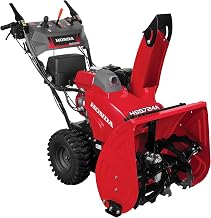
Track drive snow blowers, such as the HondaElectric Start and Track Drive models, provide superior traction on slippery surfaces and uneven terrain. They are ideal for steep driveways or gravel surfaces. Wheeled blowers are lighter and easier to maneuver on flat, paved areas. Choose based on your driveway’s slope and surface in 2026.


Write Your Review
No reviews yet. Be the first to share your experience!