

Uneven driveways are a different animal than a flat asphalt slab. Dips, frost heaves, gravel patches, and ruts can stop a weak snow blower in its tracks or send it bouncing sideways. The best snow blower for uneven driveways needs to combine steady traction, a robust auger, and a chute that keeps snow out of your face and off your windows. In this guide, we break down the models that handle rough terrain with confidence, covering battery-powered, electric, and gas options for every driveway size. We also include a compact cordless snow shovel for those with short, rutted paths and a heavyweight track-drive model for long gravel lanes.
We evaluated each unit against real-world conditions, checking how the auger handles bumpy surfaces, whether the wheels or tracks maintain grip on slopes, and how easy the chute is to adjust when you are moving. We prioritized models with rubber augers for gravel, self-propulsion for long runs, and remote chute control for awkward layouts. We also considered runtimes, bagging or throwing capacity, and the overall weight of each machine. For a closer look at hard-surface scenarios, see our dedicated guide to snow blowers for concrete driveways.




Buying Guide: What to Look For in a Snow Blower for Uneven Driveways
Not every snow thrower is built for rough ground. A machine that glides over flat concrete can stall on a gravel patch or dig into a soft spot. Here are the four most important factors we considered when selecting these models, along with some of the standout products in each category. You can browse the complete lineup of snow blowers in our seasonal equipment section as well.
Clearing Width and Intake Depth
Clearing width determines how many passes you need. On uneven ground, you also want a machine that can handle a deep bite without catching on a ridge. A 20-inch clearing width is a sweet spot for most residential driveways, and an intake depth of at least 10 inches lets the auger pull snow into the impeller without scraping the ground. Narrower 16-inch models are easier to maneuver, but they require more passes.
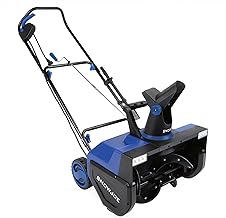
The Steelite 20 Inch Corded Electric Snow Blower is an affordable option with a 20-inch width and dual LED lights for early mornings. The Westinghouse WSnow20 is another solid choice with a steel auger that chews through packed snow. On the battery side, the ETOOLAB 40V Cordless Snow Blower with 20-inch width and 12-inch depth stands out for gravel surfaces because its rubber auger can ride over bumps. Carbon steel augers, on the other hand, are better for ice but may bite into loose stones and send them flying.
Auger Design and Traction
Auger material matters a lot on uneven driveways. Rubber augers are gentler on gravel and won’t throw chunks of rock onto your lawn. Steel augers cut through hard-packed snow and ice more aggressively, but they can also damage exposed aggregate surfaces if you run them too low. A hybrid design, like the steel-reinforced rubber auger on the NOVUS Single Stage Gas Snow Blower, gives you a good balance. The SENIX 21-inch cordless model uses a variable-speed steel auger that adapts to changing snow density.
Traction is just as important. If you have a sloped or rutted driveway, a self-propelled model with track drive, like the Honda HSS1332, gives you the most control. For smaller spaces, a compact cordless snow shovel is easier to steer around obstacles. For shared lots or church parking areas, our recommendations for snow blowers for church properties can point you in the right direction.
Chute Control and Throw Distance
A chute that rotates 180 degrees or more lets you direct snow where you want it, which is critical when your driveway has borders, shrubs, or a neighbor’s fence. Remote chute control is even better because you can adjust it on the fly without stopping. The EWORK 20-inch snow thrower features an adjustable chute and dual LED lights for low-visibility conditions. Look for a chute that is tall enough to clear snow over low walls or hedges.
Throw distance is another factor. On uneven ground, you may need to toss snow over a low wall or off to the side to avoid buildup. Models like the Westinghouse WSnow20 Corded Snow Blower throw snow up to 25 feet, while gas models push it even further. If you regularly battle deep snowbanks at the end of your driveway, check our list of snow blowers for snowbanks for extra power.
Power Source: Corded, Battery, or Gas
Corded electric snow blowers are lightweight and easy to start, but the power cord can be a real hassle on uneven ground. You have to keep the cord out of the auger, and you may need an extension cord rated for cold weather. Battery models, like the EGO Power+ 21″ Electric Snow Blower, give you freedom of movement, but runtime is limited by the battery pack. Dual-battery systems, such as the one on the ETOOLAB, extend runtime significantly. The Westinghouse corded model draws 1800 watts and moves up to 680 pounds of snow per minute.
Gas models remain the workhorses for large or demanding driveways. The NOVUS Single Stage Gas Snow Blower offers reliable power and a compact footprint, while the Honda HSS1332 handles multi-car driveways with ease. If you deal with a homeowner’s association that has specific sound and storage rules, see our tips for snow blowers for HOA driveways.
Keep these factors in mind when comparing models, and you will avoid the frustration of a snow blower that hops, stalls, or refuses to turn on rough ground. Immediate maneuverability, auger material, and chute control make the biggest difference on uneven driveways.
Final Thoughts
Choosing the best snow blower for uneven driveways comes down to your surface type, driveway length, and how much snow you typically get. For a self-propelled battery model that takes the strain out of rough terrain, the EGO Power+ 21″ Electric Snow Blower is our top pick. If you prefer a budget-friendly corded option that still delivers steady performance, the Westinghouse WSnow20 Corded Snow Blower 20 Inch is a dependable choice. Whichever you choose, match the machine to your specific ground conditions and snow volume for the best result.
Frequently Asked Questions
Can I use a snow blower on a gravel driveway?
Yes, but you need a model with a rubber auger or an adjustable scraper blade so you don’t pick up stones. Keep the snow blower raised slightly and avoid going all the way down to the ground. Many cordless and corded models work well on gravel when set correctly.
What is the best snow blower for a sloped driveway?
For slopes, a self-propelled model with track drive or large wheels is essential. The Honda HSS1332 delivers strong traction on uneven and inclined surfaces. A gas-powered unit also provides consistent power when climbing uphill, so you won’t lose momentum mid-plow.
How wide should my snow blower be for an uneven driveway?
A 20-inch clearing width is the most popular choice because it balances maneuverability and speed. If your driveway has tight corners or obstacles, a 16-inch model may be easier to handle. Unless your driveway is very long, you rarely need more than 24 inches of width.
Are cordless snow blowers powerful enough for heavy snow?
Modern cordless models with 40V or 56V batteries can handle moderate snowfalls, but they have limits. For wet, heavy snow or longer driveways, look for a model with dual batteries and a brushless motor. The EGO Power+ 21″ Electric Snow Blower is a strong performer in this category. Explore more seasonal equipment options in our seasonal equipment hub.


Write Your Review
No reviews yet. Be the first to share your experience!