

When winter hits the Northeast, you need a snow blower that can handle wet, heavy snow and deep accumulations. Whether you are clearing a long driveway or a narrow walkway, the right machine saves hours of shoveling. This guide reviews the top performing snow blowers for Northeast conditions, covering cordless electric, corded, and gas powered models. We evaluated each for clearing power, build quality, and ease of use in real world snow. If you are also wondering about best snow blower for the Midwest, our separate guide covers those needs.
Northeast winters bring frequent storms, freezing rain, and drifting snow. A reliable machine must start easily, throw snow far, and handle packed snow at the end of the driveway. We have selected models that excel in these conditions, from compact electric shovels to powerful two stage gas blowers. Read on to find the best match for your property.




Buying Guide
Clearing Width and Depth
The width of the snow blower determines how many passes you need. For Northeast driveways, a 20 to 24 inch clearing width is ideal for most homes. Narrower 13 inch models work well on steps and sidewalks but take longer on larger areas. Depth capacity matters too: a 12 inch intake depth handles a single heavy storm, while two stage machines can chew through deeper drifts. If you face frequent blizzards, consider the best snow blower for high altitude which often shares similar power requirements.
Power Source: Cordless, Corded, or Gas
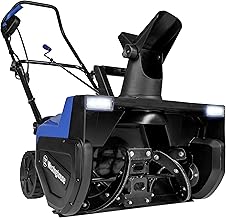
Cordless electric snow blowers offer freedom of movement and quiet operation. Look for models with at least 40V and dual batteries for extended runtime. Corded electric blowers like the Steelite 20 Inch Corded Electric Snow Blower provide unlimited run time but require an extension cord, which can be cumbersome on larger properties. Gas powered two stage blowers deliver the most power for heavy, wet snow and long driveways, but need more maintenance. For extreme cold, check our best snow blower for extreme cold guide for tips on battery performance in low temperatures.
Auger Design and Throw Distance
A steel auger is essential for breaking up packed snow and ice. Single stage blowers use a rubber paddle that works well on paved surfaces but struggles with heavy snow. Two stage blowers have a steel auger and an impeller that throws snow farther, often 30 feet or more. For Northeast storms, a throw distance of at least 25 feet helps clear snow away from the driveway and onto lawns. Adjustable chutes with remote control let you aim the snow precisely. If you have a narrow garage, see our best snow blower for small garages for compact options.
Battery voltage and amp hour ratings also affect performance. Higher voltage (48V or 56V) provides more torque for wet snow. Dual battery systems allow you to swap packs without stopping. Always consider the total runtime needed for your driveway length. For icy conditions, the best snow blower for sleet guide offers additional insights on handling frozen precipitation.
Final Thoughts
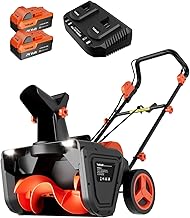
After evaluating the top models for Northeast winters, we recommend the EGO Power+ 24″ Electric Snow Blower for homeowners who need maximum clearing power and self propulsion for long driveways, and the VOLTASK 48V Cordless Snow Blower for those seeking an affordable, battery powered solution that handles moderate snow with ease. Both are built to withstand the region’s demanding conditions and will keep your property clear all season long. For a complete overview of all categories, visit the Snow Blowers page and the Seasonal Equipment hub.
Frequently Asked Questions
What size snow blower do I need for the Northeast?
For most Northeast driveways, a 20 to 24 inch clearing width with a 12 inch intake depth is sufficient. If you face frequent heavy snowfalls of 12 inches or more, a two stage gas or high voltage cordless model with a 26 inch width provides better efficiency.
Are cordless snow blowers powerful enough for wet snow?
Yes, modern cordless models with 48V or 56V batteries and brushless motors can handle wet snow effectively. Look for models with steel augers and at least 5.0Ah batteries to ensure enough torque and runtime for a typical driveway.
How do I maintain my snow blower for Northeast winters?
After each use, clear snow and ice from the auger and chute. For gas models, use fuel stabilizer and change oil annually. For cordless blowers, store batteries in a warm place and charge them fully before storage. Check shear bolts and replace as needed. For more tips, see our best snow blower for extreme cold guide.
Should I buy a gas or electric snow blower for the Northeast?
Both work well. Gas blowers offer unlimited runtime and more power for deep, wet snow, but require more maintenance. Electric blowers are quieter, lighter, and start instantly. For most homeowners, a high voltage cordless model with two batteries is a convenient choice for storms up to 12 inches.


Write Your Review
No reviews yet. Be the first to share your experience!