

When you live in Alaska, winter isn’t just a season. It’s a way of life. Snowfall can pile up in feet rather than inches, and subzero temperatures make every outdoor chore tougher. A standard single-stage blower won’t cut it here. You need a snow blower built for extreme conditions, one that starts reliably in the cold and throws heavy, wet snow far from your driveway.
In this guide, we evaluate the top snow blowers for Alaska, covering gas-powered two-stage models, track-drive units, and high-capacity cordless options. Whether you clear a short walkway or a long remote driveway, you’ll find a machine that matches your needs. We also include a detailed buying guide so you know exactly what to look for before you invest. If you’re comparing northern climates, our snow blower recommendations for Maine offer useful insights for freezing, snowy regions too.


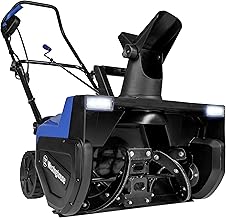


What to Look For in a Snow Blower for Alaska
Clearing Width and Intake Depth
Alaska snowfalls often arrive in big, overnight dumps. A narrow blower means more passes and more time spent outside in brutal cold. We recommend a minimum clearing width of 24 inches, and 28 inches is even better for large driveways. The intake depth matters too because deep, settled snow needs to be scooped up in one pass.
Models like the PowerSmart 24-Inch Gas Snow Blower and the Poulan Pro PR241 offer a balanced 24-inch width with deep intakes. For a wider cut, the Ariens ST28DLE stretches to 28 inches, which shortens your clearing time significantly on oversized lots.
Throwing Distance and Chute Control
Throwing distance is critical in Alaska. You want to launch snow well beyond the driveway edge so it doesn’t drift back onto your path. Look for blowers that can toss snow at least 35 to 40 feet. The Honda HSS928 boasts a max throwing distance of 52 feet, which is outstanding for wide-open properties.
Remote chute rotation is another must-have. A 210-degree or 200-degree rotating chute, like the one on the Poulan Pro PR241, lets you direct snow exactly where you want it without stopping to crank a handle. This makes a huge difference when winds shift or you’re clearing near structures. Municipal operators often prioritize this feature, as you can see in our guide for municipalities.
Power Source and Cold-Weather Starting
Alaska temperatures can dip far below zero, so reliable starting is non-negotiable. Gas-powered two-stage blowers with electric start are the safest bet. The PowerSmart 24-inch and Poulan Pro both feature electric start, so you don’t have to fight a pull cord in frigid air. Make sure the engine has a primer and a cold-weather choke.
Battery-powered blowers have improved a lot, but extreme cold reduces lithium-ion performance. The EGO SNT2405 cordless kit, with two 7.5Ah batteries, does well down to about 14 degrees Fahrenheit. If you only clear a small area, a cordless model like the SENIX 21-inch can work, but for deep Alaska snow, gas still leads. For campgrounds and remote cabins where gasoline is less convenient, a cordless option might be worth exploring, as we discuss in our campground snow blower guide.
Traction and Maneuverability
Ice and packed snow under the blower make traction a real issue. Track-drive models, like the Honda HSS928AATD, provide superior grip on slippery slopes but are heavier and pricier. Wheeled models with aggressive tires, such as the Ariens ST28DLE, handle most driveways well and are easier to turn.
Also check for heated grips and LED headlights. The Poulan Pro PR241 includes both, which makes early morning or late evening clearing much more comfortable. Self-propelled drive systems with multiple forward speeds allow you to match your walking pace without pushing hard in deep snow. For schools or larger properties, you might need extra durability, so review our schools snow blower guide for commercial-grade considerations.
Final Thoughts
After weighing clearing power, durability, and ease of use, we recommend the Poulan Pro PR241 24″ Gas Snow Blower, 212cc for most Alaska homeowners who need reliable two-stage performance, and the EGO SNT2405 24″ Cordless Snow Blower Kit for those who prefer battery power without sacrificing capacity. Both machines are proven in heavy snow, and either will make your winter mornings shorter and safer.
Frequently Asked Questions
Do I need a two-stage snow blower for Alaska? Yes, two-stage models handle deep, packed snow and ice better than single-stage units. Look for a minimum 24-inch clearing width and a 200cc-plus engine. 2026 models from Poulan Pro and PowerSmart deliver strong results. If you’re new to snow blowers, our snow blower category guide covers the basics.
Are cordless snow blowers powerful enough for Alaska winters? Modern cordless blowers like the EGO SNT2405 can clear moderate snowfall effectively, but extreme cold can reduce battery runtime. They work best for driveways under 1,500 square feet. For large properties, a gas two-stage model remains the safest choice in 2026.
What is the best snow blower for a gravel driveway in Alaska? Choose a model with adjustable skid shoes and a rubber-tipped auger to avoid picking up gravel. Many two-stage blowers, including the Ariens ST28DLE, allow you to set the auger height easily, protecting both the driveway surface and the machine.
How far should a snow blower throw snow in Alaska? A throwing distance of at least 35 to 40 feet is ideal. Models like the Honda HSS928 reach up to 52 feet, which helps prevent snow from piling near your walkway or door. Longer throw distances also reduce the risk of snow drifting back onto cleared areas.


Write Your Review
No reviews yet. Be the first to share your experience!