

If you already own a riding mower, you know how valuable it is for summer chores. But when snow piles up, that same machine can become your most effective winter tool with the right attachment. Whether you need a sturdy snow blade, tire chains for extra traction, or a dedicated snow blower that works alongside your tractor, the options can feel overwhelming. This guide focuses on the best snow blower for a riding mower, covering both direct attachments and standalone machines that complement your setup. We have evaluated 15 products, from heavy-duty blades to cordless electric blowers, to help you make an informed choice.
Clearing snow with a riding mower saves time and physical effort compared to shoveling or pushing a walk-behind blower. But not every attachment fits every mower, and some riders prefer a separate snow blower for deeper drifts. We will walk through the key features to consider, then highlight the top-rated products in our comparison list. For more advice on choosing the right snow removal gear, check out our guide on best snow blower for shorter users if height is a concern.






Buying Guide: How to Choose the Best Snow Blower for a Riding Mower
Compatibility with Your Mower
Before buying any attachment, verify that it fits your specific riding mower model. Snow blades and tire chains often require a compatible hitch or bracket. Many products list compatible brands like Craftsman, Husqvarna, Troy-Bilt, and John Deere. Measure your mower’s deck width and tire size, then cross-reference with the attachment’s specifications. If you are unsure, look for universal options or those with adjustable mounting hardware.
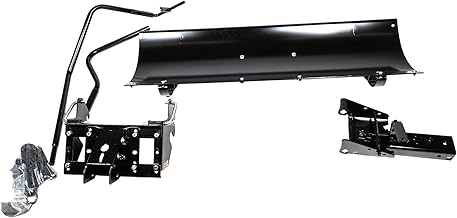
For example, the Craftsman 42 in Snow Blade is designed for many lawn tractors, while the Husqvarna 48 in Tractor Mount Snow Blade fits specific Husqvarna models. Always check the product description before purchasing. If you are taller or shorter than average, you might also consider ergonomics; our article on best snow blower for tall people offers additional insights.
Clearing Width and Depth
The width of the blade or blower determines how many passes you need. Wider blades (42 to 48 inches) clear more snow per pass, ideal for large driveways. For deep snow, consider the clearing depth: a 12-inch depth blade can handle moderate falls, while a two-stage blower with a 24-inch intake handles heavier drifts. If your area gets frequent heavy snow, a two-stage gas or electric model may be more reliable.
Standalone snow blowers like the EGO Power+ 24″ Electric Snow Blower offer self-propelled two-stage action, which can be a better fit for properties with long, wide driveways. For walkways or tight spaces, a narrower blade or a compact snow blower works well. See our recommendations for best snow blower for walkways if that is a priority.
Build Quality and Durability
Snow removal equipment faces cold, moisture, and abrasion. Look for zinc-plated chains to resist rust, steel augers for tough ice, and heavy-duty mounting brackets. Products with higher customer ratings (4.2 and above) generally indicate better longevity. The OakTen Set of 2 Snow Tire Chains, for example, uses zinc-plated 2-link design for enhanced traction without damaging your tires. Similarly, the PowerSmart 26-Inch Two-Stage Snow Blower features a Briggs & Stratton engine known for reliability.
If you operate in a farmyard or large rural property, durability becomes even more critical. Our guide on best snow blower for farmyards covers heavy-duty options that withstand frequent use.
Ease of Attachment and Operation
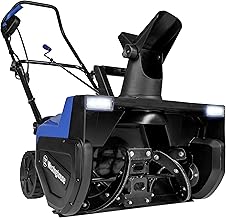
No one wants to spend hours installing a snow blade every winter. Look for quick-attach systems, adjustable trip springs (to protect the blade when hitting obstacles), and easy-to-reach controls. For standalone blowers, features like electric start, handle warmers, and remote chute control add convenience. The Westinghouse WSnow22 Corded Snow Blower, for instance, has dual LED lights and a 25-foot throwing distance, making late-night clearing safer.
If you plan to use the attachment on a riding mower, consider how it affects maneuverability. A 46-inch blade may be harder to turn in tight areas than a 42-inch one. For icy conditions, tire chains like the OakTen set improve traction significantly. Check our article on best snow blower for backyard ice rinks if you need to handle compacted snow and ice.
Final Thoughts
Choosing the best snow blower for a riding mower ultimately depends on your property size, snowfall intensity, and whether you want a dedicated attachment or a separate machine. For most homeowners with a standard lawn tractor, the Craftsman 42 in Snow Blade for Lawn Tractors offers a reliable, easy-to-mount solution that clears wide paths efficiently. If you prefer a standalone unit that can handle deep drifts without tying up your mower, the EGO Power+ 24″ Electric Snow Blower delivers powerful two-stage performance with the convenience of battery power. Both options have proven track records, and with the right choice, you will keep your driveway clear all winter.
Frequently Asked Questions
Can I attach a snow blower to any riding mower?
Not all riding mowers accept snow blower attachments. You need a mower with a front hitch or a compatible mounting kit. Many brands offer specific blades or blowers for their models. Universal options exist but require proper measurement. Always check the attachment’s compatibility list before purchasing.
Is a snow blade or a snow blower better for a riding mower?
A snow blade is simpler, cheaper, and pushes snow aside, but it struggles with deep or heavy snow. A snow blower (or two-stage blower) throws snow farther and handles deeper accumulations. If your driveway is long and you get frequent heavy snow, a blower is more effective. For light to moderate snow, a blade works well and is easier to store.
Do I need tire chains when using a snow blade on a riding mower?
Tire chains greatly improve traction on icy or packed snow, especially when pushing a heavy blade. They prevent wheel spin and reduce the risk of getting stuck. For most users, adding chains like the OakTen Set of 2 is a worthwhile upgrade. See our Snow Blowers category page for more tips on winter accessories.
How wide should my snow blade be for a riding mower?
The blade width should match or slightly exceed your mower’s deck width. Common sizes are 42, 46, and 48 inches. A wider blade clears more per pass but may be harder to maneuver in tight spaces. For most residential driveways, a 42- to 46-inch blade is a good balance.


Write Your Review
No reviews yet. Be the first to share your experience!