

You wake up to a fresh layer of snow, the driveway disappears, and your shoulders already ache at the thought of shoveling. A small snow blower is the tool that turns that chore into a few quick passes. In 2026, compact electric models are more powerful and easier to use than ever, and we’ve sorted through the best small snow blower options to help you clear your property without breaking your back.
We evaluated 15 compact snow blowers and snow shovels, from budget-friendly cordless shovels to high-capacity electric blowers. We also considered how each unit handles light powder versus wet, heavy slush. Whether you need a lightweight snow shovel for a tiny porch or a more capable blower for a double driveway, this guide has a recommendation.
If you are new to powered snow removal, start by measuring the area you need to clear. A model with a 13-inch path is perfect for walkways and steps, while a 20-inch unit cuts labor time on wide driveways. For quick, easy pickups, see our lightweight snow blower guide for portable options.
Below is our comparison list of the top small snow blowers for 2026. It includes cordless snow shovels, compact electric blowers, and a few corded workhorses, all chosen for their performance, durability, and user-friendly features.


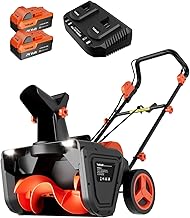


The models in this list range from ultra-compact 12-inch snow shovels to 21-inch self-propelled style blowers. To make the comparison easier, we grouped them by their best use case, starting with the most affordable battery-powered shovels and moving toward larger, more powerful electric blowers. Check the key specs in each listing, especially clearing width and battery runtime, before deciding.
How to Choose the Best Small Snow Blower
Not every compact snow blower is the same, and the cheapest option is rarely the best value. You need to match the machine to your snow load, your power source at home, and how much storage space you have. Here are the key factors to weigh before you buy.
Clearing Width and Depth
Clearing width is the single most important spec for saving time. A 12-inch power shovel can clear a sidewalk and porch steps, but it will take many passes to open a large driveway. A 20-inch blower cuts nearly twice as much snow per trip and feels noticeably quicker in an open area.
Depth matters just as much. Most compact electric blowers are designed for snowfalls of 8 to 10 inches, which covers most residential storms. If you live in a region with deep dumps, look for a steel auger that can break up packed, icy layers. Our steel auger snow blower guide covers models built for those tougher conditions.
Power Source: Cordless vs. Corded
Cordless snow blowers use rechargeable lithium-ion batteries, which means no extension cord and no outlet required. They are quiet, start instantly, and are easy to move around the property. The tradeoff is runtime, so pay close attention to battery voltage and amp-hour capacity.
Corded blowers deliver consistent power as long as you have an outlet within reach. They never lose battery charge in the middle of a storm, and they are often lighter than cordless models because they don’t carry a heavy pack. If your driveway is close to an outdoor outlet, a corded unit can be a more reliable, budget-friendly choice.
Battery Runtime and Charging
Battery life is the biggest concern for cordless models. A 4.0Ah battery typically runs for 20 to 40 minutes under normal snow conditions, and heavier snow cuts that time short. Models that include two batteries, like several in our comparison list, let you run the blower while the spare charges.
Check the charger speed and whether the kit includes a rapid charger. Some brands offer dual chargers that replenish both packs at once, which is a huge convenience after a long clearing session. For more details on motor efficiency, visit our brushless motor snow blower roundup, as brushless motors tend to extend battery life.
Throw Distance and Chute Control
Throw distance tells you how far the snow is ejected away from the path. A minimum of 20 feet is ideal for keeping walkways clear without snow piling right back on your feet. Some powerful cordless blowers can toss snow 30 feet or more, which gives you plenty of placement options.
Chute adjustability is just as important. A fixed chute limits you to one direction, while a rotating chute lets you aim snow left, right, or straight ahead. Look for a directional plate or a 180-degree handle control that lets you switch direction without bending over.
Weight and Maneuverability
Small snow blowers are supposed to be easier on your body, so weight and ergonomics matter. Cordless snow shovels typically weigh 12 to 15 pounds, light enough to lift onto steps or carry into a shed. Wheeled models feel more stable on pavement but add a few pounds to the overall package.
Consider the handle design and whether the unit folds for storage. A foldable shaft makes it simple to stow in a closet or hatchback, and a comfortable grip reduces hand fatigue during longer jobs. For more space-saving picks, browse our compact snow blower recommendations.
In short, the best pick for you depends on your property. Prioritize clearing width if you have a large driveway, and prioritize battery runtime if you need cordless convenience. Weight and storage become more important if you have stairs or limited space. For more seasonal tools, check out our seasonal equipment hub.
Final Thoughts
Choosing the best small snow blower ultimately comes down to the size of your driveway and your preference for cordless versus corded power. For lighter, quick clears, the VOLTASK Cordless Snow Shovel, 24V | 13-Inch is a dependable, easy-to-store option that won’t strain your budget. For wider paths and longer runtime, the EGO Power+ 21″ Electric Snow Blower, Gray/Black is a serious performer with excellent build quality. Both will make snow days in 2026 feel far less daunting.
Frequently Asked Questions
What size snow blower is best for a small driveway?
For a one-car driveway or a short walkway, a clearing width of 12 to 13 inches is typically enough. If you have a two-car driveway or a long pathway, consider an 18 to 20 inch model to reduce the number of passes. In 2026, most compact electric blowers handle snow depths up to 10 inches with ease.
How long do cordless snow blower batteries last?
Battery life depends on the battery capacity, motor efficiency, and snow conditions. A 4.0Ah battery will generally run for 30 to 45 minutes on light, fluffy snow, but wet snow can cut that time nearly in half. Choosing a model with two batteries and a rapid charger ensures you always have a fresh pack ready.
Can a small snow blower handle wet, heavy snow?
Yes, but only if the blower has enough power and the right auger design. Brushless motors and steel augers are better at cutting through packed, slushy snow than basic plastic or aluminum augers. Some of the models in this list are rated to move more than 300 pounds of snow per minute, which makes them capable in wet conditions.
Are cordless snow shovels worth it for small properties?
Absolutely, especially if you only need to clear a porch, steps, and a narrow sidewalk. They are quiet, emissions-free, and light enough to carry with one hand. If you already own a battery platform, buying a shovel that shares the same batteries is an even smarter investment. For more tips, check out our heavy-duty snow blower guide if you also have a large driveway.
How far should a small snow blower throw snow?
A throw distance of at least 20 feet is recommended for most residential situations. This keeps snow from blowing back onto the cleared area and lets you place it in an unobtrusive spot. Higher-end cordless models reach 30 to 33 feet, which is helpful if you want to toss snow over a fence or into a deep yard.


Write Your Review
No reviews yet. Be the first to share your experience!