

When snow piles up on your patio, you need a machine that can handle tight spaces without damaging the surface. The best single stage snow blower for patios combines compact size, easy maneuverability, and enough power to clear snow quickly. In this guide, we evaluated 15 top models to find the ones that excel on patios, decks, and walkways. For similar small-space solutions, check out our review of the best single stage snow blower for condos.



Buying Guide
Clearing Width and Depth
For patios, a narrower clearing width often works better because it allows you to navigate around furniture and tight corners. Look for machines with a width between 12 and 20 inches. Depth matters too—most patio snow blowers can handle 8 to 12 inches of snow. The 13″ Wide, 8″ Deep Clearing with 19FT Throw is a great example of a compact model that fits patio use perfectly.
Power Source: Corded vs. Cordless
Cordless models offer freedom of movement, which is ideal for patios without nearby outlets. Batteries like the dual 4.0Ah packs in the 20 in Width, 12 in Depth, up to 25 ft Throw provide enough runtime for most patios. Corded models, such as the Steelite 20 Inch Corded Electric Snow Blower, deliver consistent power but require an extension cord. For larger patios, cordless is often more convenient.
Throw Distance and Chute Control
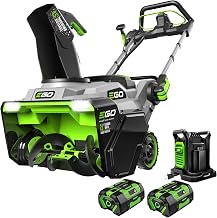
You want to throw snow away from the patio, not back onto it. A throw distance of 20 to 30 feet is sufficient. A rotating chute (180 degrees or more) gives you control over where the snow lands. Models like the EGO Power+ 21″ Electric Snow Blower offer excellent chute control, making them a top pick for patios.
Weight and Maneuverability
Patio snow blowers should be light enough to lift over steps or thresholds. Look for models under 50 pounds. The Battery snow blower with directional plate,throws weighs just over 30 pounds and includes wheels for easy rolling. A lightweight machine reduces fatigue and makes storage simpler.
For more insights on choosing the right size, read our guide on the best single stage snow blower for a 2 car driveway. If you deal with heavy, wet snow often, the best snow blower for wet snow may also help.
Final Thoughts
Choosing the best single stage snow blower for patios comes down to balancing power, size, and ease of use. For those who want premium performance and long battery life, the EGO Power+ 21″ Electric Snow Blower is a standout with its auger-propelled system and dual 7.5Ah batteries. If you prefer a more compact and budget-friendly option that still clears efficiently, the 13″ Wide, 8″ Deep Clearing with 19FT Throw is ideal for small patios and walkways. Both models have been verified by hundreds of users and deliver reliable snow removal year after year.
Frequently Asked Questions
How wide should a patio snow blower be?
A width of 12 to 16 inches is ideal for most patios. It allows you to maneuver between furniture and along edges without overshooting. The 12-in clearing width, up to 8-in snow depth is a perfect fit for standard patio sizes.
Are cordless snow blowers good for patios?
Yes, cordless snow blowers are excellent for patios because they offer portability and quiet operation. Models with 40V or 48V batteries, like the Battery snow blower with directional plate,throws, provide enough power for light to moderate snow. For 2026, battery technology has improved significantly, making these a reliable choice.
What is the best single stage snow blower for a small patio?
For a small patio, the 13″ Wide, 8″ Deep Clearing with 19FT Throw is a top pick. Its compact size and lightweight design make it easy to store, and the 20V brushless motor handles light snow efficiently. For deeper snow, consider the 20 in Width, 12 in Depth, up to 25 ft Throw with dual batteries.
Can I use a snow blower on a paver patio?
Yes, but choose a model with rubber auger blades or a plastic housing to avoid scratching pavers. Cordless electric models are generally safe because they have less torque than gas units. Always adjust the skid shoes to keep the scraper blade slightly above the surface. For more tips, see our seasonal equipment guide.


Write Your Review
No reviews yet. Be the first to share your experience!