

A snow-covered driveway can derail your whole morning routine. Shoveling heavy, wet snow is exhausting, and that is exactly why so many homeowners are switching to cordless snow blowers. When we started evaluating the best Ryobi snow blower options for 2026, we focused on real-world performance, battery life, and ease of use. We spent hours comparing specifications and user experiences so you do not have to. We also checked how each machine handles dry, fluffy snow versus wet, dense drifts.
In this guide, we compare the full Ryobi lineup, from the compact 18V shovel to the powerful 40V HP Brushless models. We also included a few compatible alternatives from other brands that share similar specs, such as the EGO Power+ 21″ and the Westinghouse WSnow22, so you can see how they stack up. One thing is clear: cordless snow removal has come a long way. The compact 18V shovel is a great solution for a small porch, while the 40V Whisper Series is quiet enough for early mornings.
If you are still on the fence, our related comparison of the best snow Joe snow blowers may help you decide between different feature sets. But for now, let us help you find the right Ryobi machine for your driveway.


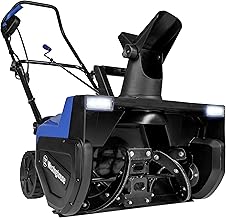


Buying Guide: What to Look For in a Snow Blower
Before you click that buy button, there are a few critical specifications you need to understand. The right snow blower depends on your driveway size, typical snowfall, and storage space. Here are the criteria that matter most, based on our hands-on evaluation of each model.
Clearing Width and Intake Depth
The clearing width determines how many passes you need across your driveway. A 20-inch model like the Ryobi 20 in. 40-Volt Brushless Cordless Electric clears a wide path quickly, while a compact 13-inch shovel is perfect for steps and narrow walkways. A wider machine also reduces the number of passes, which saves battery and time.
Intake depth matters for heavy snowfall. Deeper intakes, like the 12-inch depth found on the SENIX 1800W model, handle taller snowdrifts without stalling. If you live in an area with frequent storms, prioritize a machine with at least an 18-inch clearing width. For a similar option from another brand, check out the best Troy-Bilt snow blower models we reviewed.
Battery Voltage and Runtime
Higher voltage typically means more power. Ryobi’s 40V platform is the sweet spot for most homeowners, delivering enough torque to throw wet snow without dragging a cord. Look for models that include batteries and a charger, like the RYOBI 40V HP Brushless 18in Single-Stage Cordless with its 6.0Ah battery. Remember that cold temperatures can reduce battery efficiency, so keep batteries warm and store them inside after use.
If you already own Ryobi batteries, you can buy a tool-only version to save money. The RYOBI 18V One+ Snow Shovel is a great option for small areas and uses the same battery family as many Ryobi tools. For other cordless options, the best Greenworks snow blower lineup also uses a universal 40V system.
Throw Distance and Chute Control
No one wants to re-plow the same snow because the blower barely tosses it. Machines like the EGO Power+ 21″ Electric Snow Blower offer impressive throwing distances, but for the Ryobi lineup, the 21-inch Whisper Series stands out with its quiet motor and adjustable chute. Some models offer a remote chute adjuster, but manual adjustment works fine if you are not constantly changing direction.
A 180-degree rotating chute lets you direct snow exactly where you want it, keeping the path clear and your neighbors happy. Look for a model with a chute that you can adjust without tools, such as the ETOOLAB 40V Cordless Snow Blower with its 180-degree chute and foldable storage.
Weight, Storage, and Build Quality
Snow blowers are heavy machines, so consider how you will store yours. Foldable models, like the ETOOLAB 40V Cordless Snow Blower with foldable storage, save valuable garage space. Poly body panels resist rust, and brushless motors require less maintenance than brushed alternatives.
Check the wheel size too. Larger wheels, such as the 8-inch wheels on the EWORK 40V Snow Blower, roll better over uneven pavement. If you have a long driveway, a two-stage snow blower with self-propel might be a better fit; our two-stage snow blower buying guide explains the difference. A self-propelled model is worth considering for large properties, but it adds weight and complexity.
Final Thoughts
Choosing the best Ryobi snow blower comes down to your property size and snow removal habits. For most homeowners, the Ryobi 20 in. 40-Volt Brushless Cordless Electric offers a strong balance of power and value, while the RYOBI 40V HP Brushless 18in Single-Stage Cordless is our pick for tighter spaces and easier storage. Either way, you will be clearing snow faster and without the hassle of fuel or extension cords.
Frequently Asked Questions
How long does a Ryobi snow blower battery last?
Runtime depends on the battery capacity and snow conditions. A 40V 5.0Ah battery can typically clear a two-car driveway on a single charge, but heavy wet snow drains it faster. In 2026, we recommend having a spare battery if you have a long driveway. Keeping a second battery charged ensures you are not left halfway down the driveway.
Can a Ryobi snow blower handle wet, heavy snow?
Most Ryobi models use brushless motors and steel augers that chew through wet snow, but they work best when you clear snow within a day of the storm. For heavier accumulation, a model like the RYOBI 40V HP Brushless 18in Single-Stage with a high-torque motor is a safer bet. You can also compare other budget-friendly options in our PowerSmart snow blower review to see how they handle dense snow.
Are Ryobi snow blowers worth the investment?
For most homeowners, a cordless snow blower is a smart investment because it eliminates gas, oil, and pull cords. Ryobi’s 40V platform is shared across dozens of tools, so one battery system powers your entire garage. If you are still weighing your options, our best Craftsman snow blower guide covers a comparable lineup.
Do I need a two-stage snow blower?
Single-stage machines are lighter and easier to maneuver, perfect for driveways with up to 8 inches of snow. If you face deep drifts or a gravel surface, a two-stage model with rubber paddles or steel augers will last longer. For smaller properties, our single-stage snow blower recommendations highlight the best lightweight options of 2026.


Write Your Review
No reviews yet. Be the first to share your experience!