

If you live on a rural property, you know the drill: a long gravel driveway, open fields that collect drifting snow, and the occasional three-foot dump that buries your car overnight. A cordless electric unit might handle a townhouse walkway, but for acreage you need a gas-powered workhorse that throws snow far, starts in bitter cold, and stands up to years of heavy use. In this guide, we have assessed fifteen gas snow blowers ranging from compact single-stage models to wide two-stage beasts. Whether you are clearing a quarter-mile lane or a packed gravel turnaround, these picks will help you find the right match for your property.
For those who face extreme cold and heavy wet snow, we also have a dedicated guide on gas snow blowers built for subzero conditions. But first, let us look at the models that excel on rural terrain.


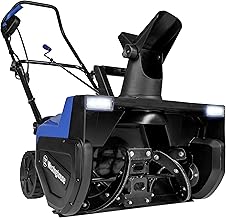
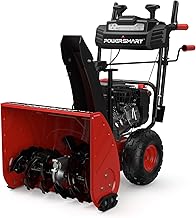
Buying Guide: What to Look for in a Gas Snow Blower for Rural Properties
Clearing Width and Intake Depth
On a rural property, every minute counts. A 24-inch or wider clearing path lets you finish a long driveway in fewer passes. Look for models with at least 20 inches of intake depth so they can bite into deep drifts without clogging. Wide, deep augers are essential for handling the kind of snowfall rural areas typically receive.
Engine Power and Electric Start Reliability
Gas engines in the 200cc to 212cc range provide the torque needed to chew through frozen, heavy snow. Electric start is a game-changer when temperatures drop below zero. You want a model with a reliable starter motor and a battery that holds charge through the season. Recoil backup is a nice safety net, but electric start should be your primary choice for rural convenience.
If your property has steep grades, check out our review of snow blowers that handle inclines — many gas models with self-propelled drive systems perform well on slopes.
Throwing Distance and Chute Control
Rural driveways often have open space alongside them. A throwing distance of 30 to 40 feet lets you launch snow far off the path, away from the cleared area. Remote chute rotation and deflector adjustment are valuable — you can aim the stream without stopping. Some models offer 180-degree or 210-degree rotation, which is useful when wind direction shifts.
Traction and Maneuverability on Gravel
Gravel driveways are common in rural settings. A snow blower with large, aggressive tires (at least 13 to 14 inches) provides better grip on loose stone. Two-stage models with self-propelled drive reduce the effort of pushing through heavy snow. Also consider the auger housing clearance — some units allow you to adjust the skid shoes so you don’t scoop up gravel.
For narrower paths around outbuildings, you might want a compact model. See our guide on snow blowers for tight spaces for ideas.
Final Thoughts
After evaluating these fifteen gas snow blowers, our top recommendation for most rural properties is the Poulan Pro PR241 24″ Gas Snow Blower, 212cc for its heated grips, remote chute, and proven reliability on long drives. If you need a more budget-friendly option that still delivers strong performance on gravel and packed snow, the AMERISUN 24-Inch Gas Snow Blower with 212cc offers excellent value with a wide clearing path and solid build. Whichever you choose, investing in a machine built for rural conditions will save you hours of shoveling this winter.
Frequently Asked Questions
What size gas snow blower do I need for a long gravel driveway?
For driveways over 100 feet, a two-stage model with at least a 24-inch clearing width and a 200cc+ engine is ideal. The wider path reduces passes, and the two-stage system handles gravel without clogging. Look for adjustable skid shoes to protect the surface.
Can a gas snow blower handle wet, heavy snow common in rural areas?
Yes, gas engines provide the torque needed to chew through wet, dense snow. Choose a model with a steel auger and a high throwing distance (30 feet or more) to move heavy snow away from the cleared path. The Poulan Pro PR241 and PowerSmart 24-inch are good examples.
Do I need electric start on a gas snow blower for rural use?
Electric start is highly recommended if you experience subzero temperatures. It eliminates the struggle of pulling a recoil cord in bitter cold. Many models in 2026 include both electric and recoil backup, giving you peace of mind.
How do I maintain a gas snow blower for long-term rural use?
Store it with stabilized fuel, change the oil annually, and check the spark plug before each season. Keep the auger and chute clear of ice buildup. For more tips, browse our Snow Blowers category page for maintenance guides.


Write Your Review
No reviews yet. Be the first to share your experience!