

One morning in Denver, you wake to 14 inches of heavy, wet snow piled against your garage door. The forecast says more is coming, and your old shovel just snapped. That is exactly the moment when having the right snow blower makes all the difference.
We have evaluated 15 top-rated machines that can handle the Mile High City’s variable snowpack, from light powder to dense, slushy drifts. Whether you need a compact cordless unit for a small driveway or a self-propelled gas model for a long stretch of concrete, this guide breaks down the strongest options for 2026.
If you’re comparing snow conditions across the region, you may also want to check our snow blower recommendations for Chicago to see how similar wind-driven storms influence your choice.






Buying Guide
Clearing Width and Intake Depth
Denver’s snowfall can range from light flurries to intense blizzards, so clearing width matters more than you might think. A 20-inch machine will handle a typical one-car driveway efficiently, while a 24-inch model cuts a wider path and reduces passes.
Intake depth also determines how much snow the auger grabs per pass. For the big, wet storms that roll off the Rockies, look for at least 12 inches of intake depth to avoid stalling on dense drifts.
Power Source: Cordless, Corded, or Gas
Your neighborhood layout will often dictate the best fuel source. Cordless models give you freedom to roam without an outlet, but you need to watch battery runtime on large driveways. Corded machines never run out of batteries, but they limit your reach to the length of the extension cord.
Gas blowers deliver the raw torque needed for heavy, wet snow and are ideal for long or uneven surfaces. They require more maintenance, but they offer unmatched power when a nor’easter-style storm parks over Denver.
If you’re still weighing your options, our Buffalo snow blower guide covers similarly demanding snow conditions with detailed power-source comparisons.
Throwing Distance and Chute Control
Throwing distance determines how far the snow is launched from the chute. In Denver, where snow can be dense and wet, a throw distance of 25 to 35 feet gives you enough clearance to pile snow away from driveways and walkways.
Look for a chute that rotates at least 180 degrees, ideally with a one-handed joystick control. This lets you direct snow precisely without constantly turning the whole machine, which is especially helpful when clearing around cars and mailboxes.
Self-Propelled vs. Single-Stage
Self-propelled two-stage blowers move on their own and are the best choice for gravel driveways and wide expanses. They chew through deep snow by feeding it through a second impeller, which is why they’re so popular in Colorado’s mountain towns.
Single-stage blowers are lighter and more affordable, but they work best on paved surfaces and moderate snow depths. If you only clear a short concrete driveway, a single-stage machine will save you money and storage space.
For a broader look at machines that suit different regions, explore our Washington state snow blower picks and the New Hampshire guide to see how variable snow densities affect your decision.
Final Thoughts
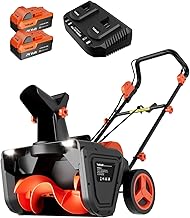
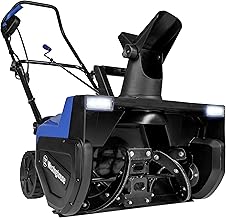
Denver needs a snow blower that can handle both fluffy Front Range powder and the occasional heavy, wet avalanche. For most homeowners, the EGO Power+ 24″ Electric Snow Blower offers the perfect balance of self-propelled power and zero-emission convenience, while the PowerSmart 24-Inch Gas Snow Blower with 212cc is the robust workhorse for long driveways and repeated storm duty. No matter what you choose, pick a machine with enough width and torque to match your property, and you’ll stay ahead of the snow this winter.
Frequently Asked Questions
What size snow blower do I need for a Denver driveway?
For a standard two-car driveway, a 20- to 24-inch clearing width is usually sufficient. If your driveway is wider than 12 feet or slopes uphill, consider a self-propelled two-stage model for easier handling and better traction.
Are cordless snow blowers powerful enough for Colorado snow?
Yes, modern cordless blowers with brushless motors and high-voltage batteries can handle most Denver snowstorms. Look for models with 40V or higher and dual battery slots to extend runtime, especially for wet, heavy snow that demands more torque.
How long does a snow blower battery last in cold weather?
Cold temperatures can reduce lithium-ion battery performance by up to 30 percent. Most cordless models will run for 30 to 60 minutes on a full charge, depending on snow density. Keep a spare battery handy for larger jobs or check our Vermont snow blower guide for tips on managing cold-weather battery life.
Is gas or electric better for Denver’s snow?
It depends on your property size and maintenance preferences. Gas blowers deliver maximum power and are ideal for long gravel driveways, while electric models are quieter, lighter, and require less maintenance. For most Denver homeowners, a high-quality cordless model is enough, but gas remains the champion for heavy-duty snowfall.
Before you buy, check out our full snow blower resource center for more buying tips and regional recommendations.


Write Your Review
No reviews yet. Be the first to share your experience!