

If you own a home with a long driveway, a fleet of vehicles, or just a stubborn layer of grime on your patio, you already know that a weak pressure washer only frustrates. You need a machine that blasts away dirt without costing a fortune. That is exactly why we put together this guide to the best pressure washers in the premium segment. Whether you prefer gas power or the convenience of an electric unit, we cover 13 top-rated models that deliver professional results without breaking your bank. For additional insight on keeping your outdoor equipment running smoothly, check out our comparison of fabricated vs stamped mower decks.


Buying Guide
Pressure and Flow Rate: PSI and GPM
The two numbers that define a pressure washer are PSI (pounds per square inch) and GPM (gallons per minute). PSI tells you how hard the water hits, while GPM tells you how much water flows. For heavy cleaning like stripping paint or cleaning concrete, you want at least 3000 PSI and 2.5 GPM. Many of the models we evaluated exceed those thresholds, with some reaching 4400 PSI and 4.0 GPM. If you mainly wash cars and light siding, a lower PSI is fine, but never sacrifice flow rate: higher GPM cleans faster.
When choosing between gas and electric, remember that gas units typically offer higher PSI and GPM, making them ideal for large areas. Electric models like the EGO POWER+ are quieter and lighter, but may not match the raw power of a gas engine. For a deeper look at how to match equipment to your property size, read our zero turn mower buying guide.
Pump Quality and Durability
The pump is the heart of any pressure washer. AAA triplex pumps are the gold standard for longevity and consistent pressure. They are made of brass, stainless steel, or ceramic and can handle continuous use. Many of the top picks here, like the Simpson models, use AAA triplex pumps. Avoid units with axial cam pumps if you plan to use the washer frequently: they wear out faster. Look for a pump with a thermal relief valve and easy access for oil changes.
If you are using a pressure washer for professional detailing or rental property maintenance, investing in a model with a commercial-grade pump pays off over time. The Industrial AR Triplex Pump model is a standout for its heavy-duty construction.
Hose Length and Mobility
A short hose forces you to move the machine constantly. Look for at least 35 feet of hose; 50 feet is even better for reaching driveways and second-story siding without dragging the unit. Some models come with a steel frame and large wheels for easy maneuverability. If you have a large property, consider a model with a welded steel frame and a hose reel. Also check the hose material: rubber hoses last longer and resist kinking better than vinyl.
For tips on choosing the right deck size for your mower, which also affects how you navigate your yard, see our 48 vs 54 inch zero turn mower.
Engine Type and Maintenance
Gas pressure washers are powered by engines from Honda, Predator, or CRX. Honda GX series engines are legendary for reliability and ease of maintenance. They start easily and run smoothly. Other engines like the CRX 420cc offer strong power but may be louder. If you prefer electric, the EGO POWER+ uses a brushless motor that requires virtually no maintenance and runs silently. Consider your tolerance for noise, emissions, and fuel storage. Gas models need oil changes, spark plug checks, and fuel stabilizer; electric models just need an extension cord and a GFCI outlet.
All gas models in our list are 49-state compliant, but check local regulations if you live in California or other states with stricter emissions rules.
Final Thoughts
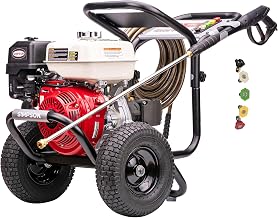
After evaluating more than a dozen models, we believe the sweet spot for most homeowners and professionals lies between a reliable gas unit with a Honda engine and a high-performance electric washer that is quiet and portable. For those who need maximum cleaning power for large concrete areas and heavy grime, the Simpson Cleaning PS60869 PowerShot 4000 PSI Gas stands out with its AAA triplex pump and Honda GX270 engine. If you prefer a battery-powered option that offers excellent pressure without the fumes and noise, the EGO POWER+ Electric Pressure Washer Kit delivers impressive 3200 PSI and is perfect for everyday cleaning around the house. Both choices represent the best value in this class, and either will serve you well for years to come.
Frequently Asked Questions
What PSI do I need for a pressure washer?
For most residential tasks like cleaning driveways, decks, and siding, 3000 to 3500 PSI is sufficient. If you need to remove paint or clean heavy commercial equipment, look for 4000 PSI or higher. Always match the nozzle to the surface to avoid damage.
Is gas or electric pressure washer better for home use?
Gas units offer higher pressure and flow, making them better for large areas and tough jobs. Electric models are lighter, quieter, and require less maintenance. For a typical suburban home with a driveway and patio, an electric unit like the EGO POWER+ is often enough. For farms or large properties, a gas model is more practical.
How long does a pressure washer last?
With proper maintenance (regular oil changes, using fuel stabilizer, and storing the pump with antifreeze) a quality gas pressure washer can last 10 to 15 years. Electric models tend to last 5 to 10 years because the motor is sealed and requires less upkeep. The pump is the most likely component to fail; choosing a model with a AAA triplex pump extends its life significantly.
Can I use a pressure washer to clean my car?
Yes, but use a wide-angle nozzle (40 degrees or a detergent nozzle) and keep the wand at least 12 inches from the paint. Avoid using a turbo nozzle or direct high-pressure spray on the paint. Many of the models we reviewed include a soap tank and low-pressure nozzle for safe car washing. For more tips on caring for your equipment, see our 54 vs 60 inch zero turn mower.


Write Your Review
No reviews yet. Be the first to share your experience!