

You have cleared your land, but those stubborn stumps remain. Splitting them with an axe is backbreaking work. That is where a dedicated log splitter for stumps comes in. In this guide, we evaluate the top models designed to handle tough roots and knotty wood. Whether you need a portable electric unit for occasional use or a heavy-duty gas splitter for regular firewood prep, we have you covered. For more on choosing the right equipment for your property, check out our Property Equipment category.
Safety note: Log splitters generate enough force to cause crushing injuries, and splitting can send wood fragments flying. Read the operator’s manual before use and wear safety glasses or goggles, work gloves, and steel-toe boots, plus hearing protection with gas models. Keep hands clear of the wedge and ram, let only one person load and operate the machine, and keep children, pets, and bystanders well away from the work area.


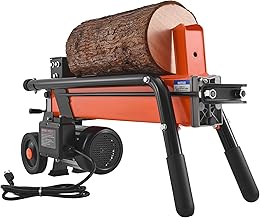

Buying Guide: What to Look for in a Log Splitter for Stumps
Splitting Force and Tonnage
Stumps and knotty logs require serious force. A log splitter rated between 6.5 and 10 tons is sufficient for most residential stumps, but larger or deeply rooted stumps may need 20 tons or more. Look for a machine with a hydraulic ram that delivers consistent pressure. Models like the BILT HARD Log Splitter 6.5 Ton offer a good balance for occasional use, while the BILT HARD 27-Ton Towable Gas Powered Log Splitter provides the muscle for the toughest jobs.
Portability and Setup
If you need to move the splitter around your property, portability matters. Electric models like the 20.5 in x 9.8 in Log Capacity splitter are lighter and easy to wheel to different spots. Gas-powered units often come with towable trailers or sturdy wheels, making them ideal for larger properties. Consider how often you will move the machine and whether you need to access stumps in tight spaces.
Engine Type: Electric vs. Gas
Electric log splitters are quieter, require less maintenance, and work well for smaller to medium stumps. They need a power outlet nearby. Gas splitters offer more power and mobility, making them better for remote stumps and heavy-duty splitting. The YARDMAX YS0650 6.5 Ton Electric Log Splitter is a solid electric choice, while the SuperHandy Portable 25 Ton Gas Log Splitter delivers the high force needed for large stumps. For more on choosing between equipment types, see our guide to selecting zero turn mowers for similar decision-making.
Build Quality and Beam Design
A full beam design provides better stability and durability, especially when splitting irregular stumps. Look for models with a reinforced steel frame and a protective safety ring, like the Fixed splitting blade, Protective safety ring Kindling Cracker. A sturdy wedge and hydraulic system will last longer and handle repeated stress. Check our comparison of fabricated vs. stamped mower decks for insights on durability in outdoor equipment.
Final Thoughts
After evaluating the top contenders, we recommend the BILT HARD Log Splitter 6.5 Ton for homeowners who need a reliable electric machine for moderate stump work, and the BILT HARD 27-Ton Towable Gas Powered Log Splitter for those tackling large, stubborn stumps regularly. Both offer proven performance and solid build quality. For further buying advice, explore our Log Splitters category and the zero turn mower buying guide for related property equipment tips.
Frequently Asked Questions
Can a log splitter handle stumps?
Yes, a log splitter with sufficient tonnage can split stumps, especially if they are dry and not too large. For green or very large stumps, a gas-powered model with 20 tons or more is recommended. Always ensure the stump is stable before splitting.
What tonnage do I need for splitting stumps?
For most residential stumps, 6.5 to 10 tons is enough. For larger or hardwood stumps, 20 tons or higher is better. In 2026, many electric models offer 6.5 tons, while gas units can exceed 25 tons. Assess your stump size and density before buying.
Is electric or gas better for stump splitting?
Electric splitters are quieter and easier to use near the house but require an outlet. Gas splitters provide more power and portability, making them ideal for remote stumps. Choose based on your stump location and how often you split.
How do I maintain a log splitter for stumps?
Keep the hydraulic fluid clean, check for leaks, and store the machine in a dry place. For gas models, change the oil regularly and use fresh fuel. Sharpen the wedge if it becomes dull. Proper maintenance extends the life of your splitter. For more on equipment care, see our article on mower deck durability.


Write Your Review
No reviews yet. Be the first to share your experience!