

Autumn transforms your yard into a canvas of gold and crimson, but the aftermath can be overwhelming. Raking leaves into piles only to bag them by hand is time-consuming and tiring. A leaf shredder can reduce that mountain of foliage into a fraction of its volume, creating valuable mulch for your garden beds. This guide focuses on the best leaf shredder under $300, helping you find a reliable machine that fits your budget and your yard’s needs.
Whether you have a small urban lot or a sprawling suburban property, the right shredder can make fall cleanup a breeze. We have assessed numerous models based on power, build quality, and user feedback to bring you a curated list of top contenders. For those also considering lawn mowers, our guide on fabricated vs stamped mower deck might offer additional insights into yard equipment durability.
Buying Guide: What to Look for in a Leaf Shredder
Before you commit to a purchase, it’s essential to understand the key features that differentiate a good leaf shredder from a great one. Here are the critical factors we considered when selecting the best leaf shredder under $300.
Power Source and Motor Strength
Leaf shredders generally come in electric (corded or cordless) and gas-powered versions. In the under-$300 category, electric models dominate due to their affordability and lower maintenance. Corded electric shredders offer unlimited runtime but require an extension cord, which can be limiting. Cordless models provide portability but may need spare batteries for large jobs. Motor power is measured in amps (for electric) or horsepower (for gas). For most residential needs, a 13-amp electric motor is sufficient to handle dry leaves and small twigs.
Consider the size of your yard and the density of leaf litter. If you have a large property with many mature trees, a more powerful motor will save you time. Our guide to choosing a zero turn mower also highlights how engine power impacts performance, a principle that applies to leaf shredders as well.
Shredding Mechanism and Reduction Ratio
The heart of any leaf shredder is its shredding mechanism. There are two main types: blade-based and line-based. Blade shredders use sharp metal blades to cut leaves, offering a finer mulch. Line shredders use heavy-duty nylon lines, similar to a string trimmer, which are less likely to jam but may produce coarser results. The reduction ratio indicates how much volume is decreased; a 10:1 ratio means ten bags of leaves become one. Look for a machine that offers at least an 8:1 reduction to make your mulching efforts worthwhile.
Some models also feature a vacuum function that sucks leaves directly from the ground, combining two tasks into one. This can be a game-changer for quick cleanups. If you often deal with wet leaves, check if the mechanism can handle moisture without clogging, as this is a common issue.
Portability and Storage
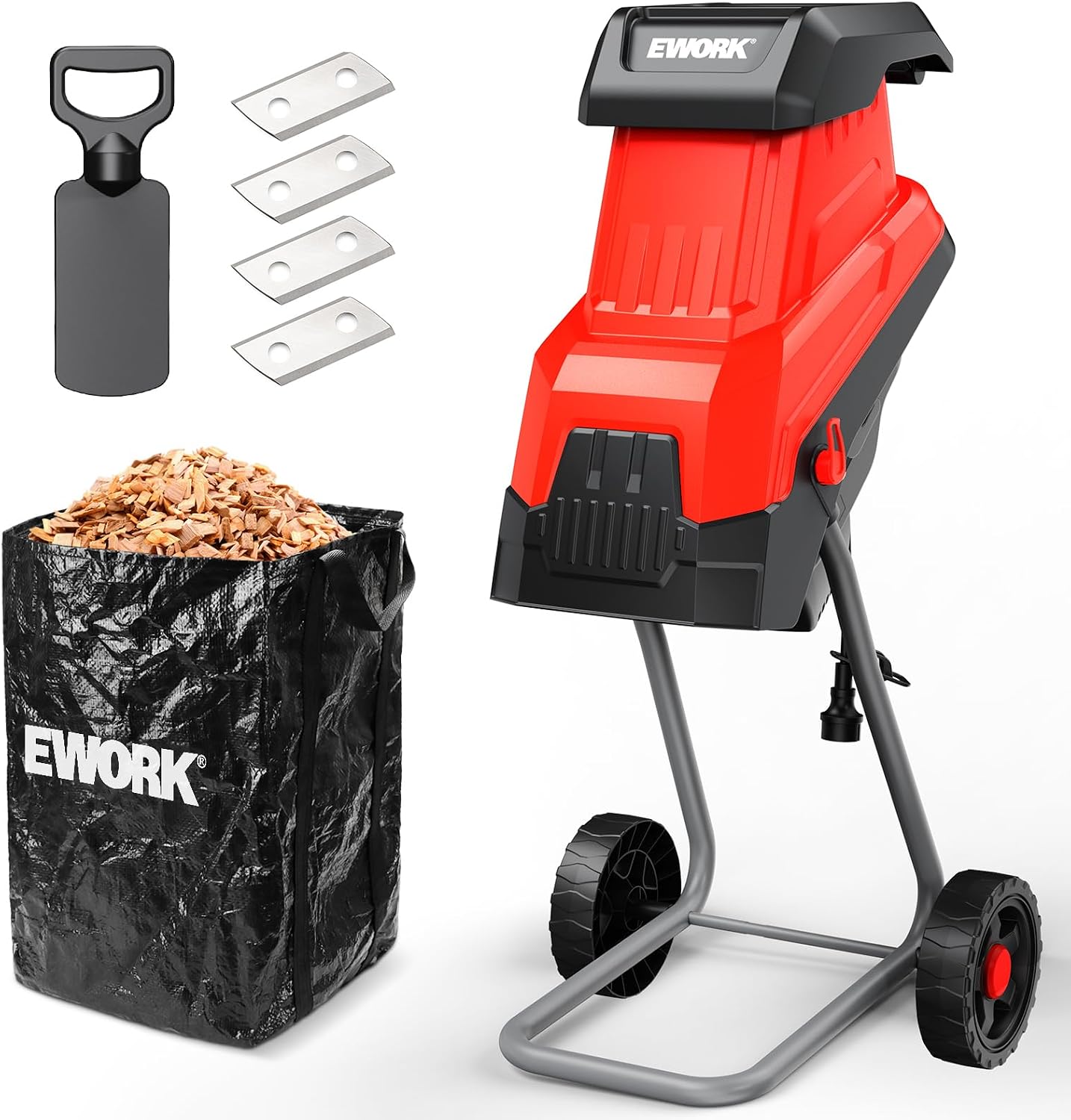
Leaf shredders are often bulky, so portability matters. Look for models with wheels and a comfortable handle for easy maneuvering around your yard. Weight is also a consideration; lighter units are easier to lift and store, but they may be less stable during operation. Many leaf shredders are designed to be compact, fitting into tight garage spaces. Some come with a collection bag that attaches to the discharge chute, making it easy to gather the mulch. If you plan to move the shredder frequently, consider a model with a foldable handle or a compact design.
If you’re also weighing options for mowing equipment, our comparison of zero turn mowers vs robot mowers can help you see how different machines fit various yard sizes and storage constraints.
Safety Features and Build Quality
Safety should never be an afterthought. Look for features like a safety switch that prevents accidental startup, a hopper that requires two hands to feed, and a sturdy base that won’t tip over. The build quality affects durability; a metal housing is more resilient than plastic, but plastic is lighter and less prone to rust. Read user reviews to see if any common issues like jamming or overheating are reported. A good warranty is also a sign of confidence from the manufacturer.
For those managing larger properties, the choice of a leaf shredder can be as critical as selecting the right mower. Our zero turn mower buying guide offers additional tips on matching equipment to your land’s size.
Final Thoughts
Choosing the best leaf shredder under $300 involves balancing power, portability, and price. For most homeowners, a corded electric model with a high reduction ratio and reliable build will offer the best value. If you prioritize convenience and have a smaller yard, a cordless model with a battery system might be more appealing. After reviewing the top contenders, we recommend the Sun Joe CJ603E for its robust motor and excellent mulching capability, and the Worx WG430 for its portability and ease of use. Both models deliver exceptional performance for the price, ensuring your fall cleanup is quick and efficient.
Frequently Asked Questions
Can a leaf shredder handle wet leaves?
Most leaf shredders are designed for dry leaves. Wet leaves tend to clump and jam the blades or lines. If you need to shred wet leaves, look for a model with a self-feeding mechanism or a high-torque motor that can handle the extra resistance. Alternatively, wait for the leaves to dry before shredding.
What is the difference between a leaf shredder and a wood chipper?
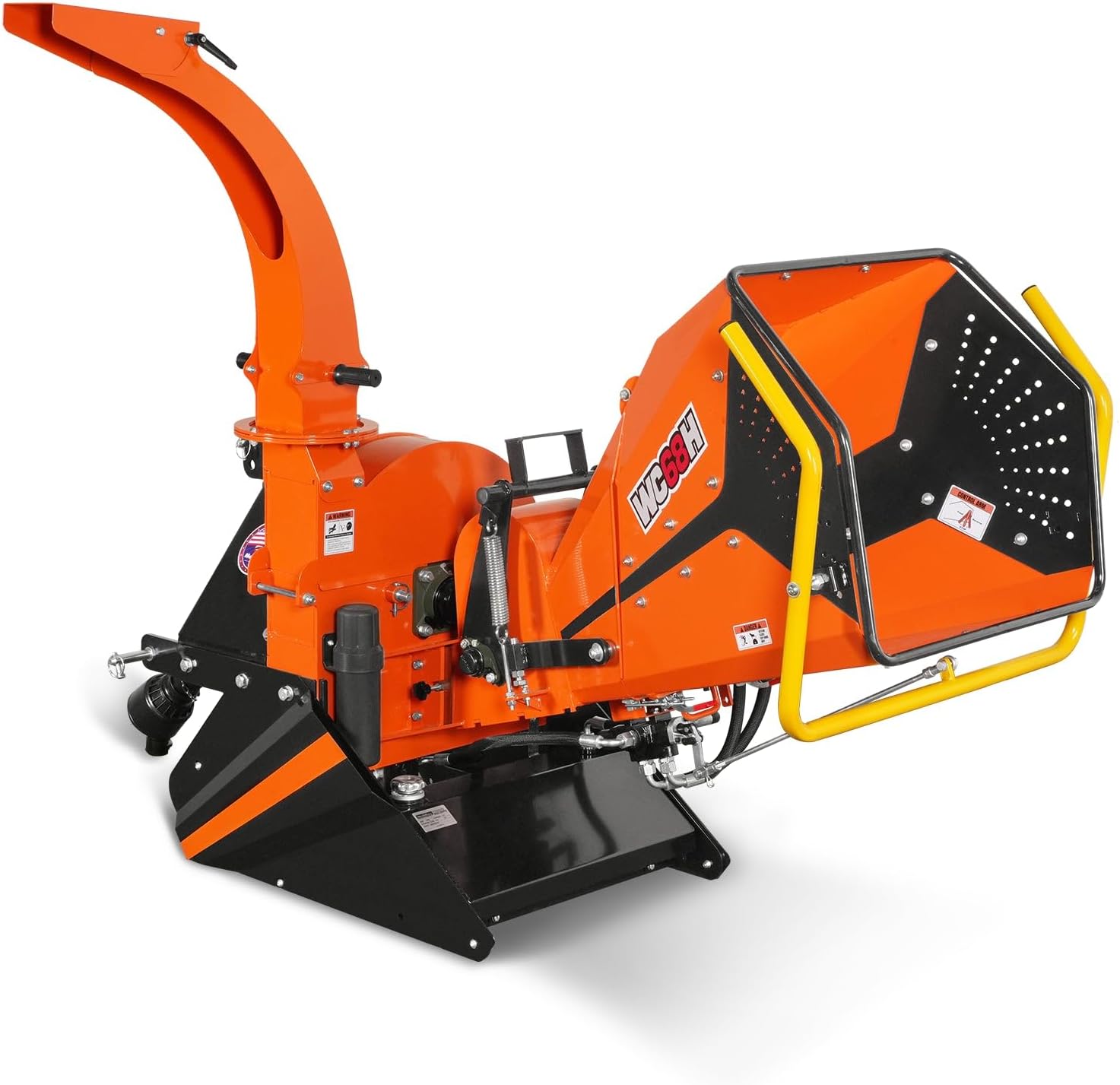
A leaf shredder is specifically designed for leaves and soft yard waste like small twigs. A wood chipper is more powerful and can handle branches and limbs up to several inches thick. For most residential leaf cleanup, a shredder is sufficient. If you also need to dispose of branches, consider a chipper-shredder combo, but these are often above the $300 price point.
How do I maintain my leaf shredder?
Regular maintenance includes emptying the collection bag or bin frequently to prevent clogging. After each use, clean the hopper and discharge chute to remove debris. Check the blades or lines for wear and replace them as needed. For electric models, keep the motor vents clear of dust, and for gas models, change the oil and air filter according to the manufacturer’s instructions.
Is a leaf shredder worth it for a small yard?
Yes, even for a small yard, a leaf shredder can save time and reduce the number of yard waste bags you need. The mulch produced is excellent for garden beds and compost piles. If you have only a few trees, a compact, corded model under $300 is a worthwhile investment. For those with larger properties, consider how a leaf shredder complements your mowing routine; our guide on 48 vs 54 inch zero turn mower might help you optimize your equipment choices.


Write Your Review
No reviews yet. Be the first to share your experience!