

After a long autumn, your yard is buried under a thick layer of leaves. Raking is tedious, bagging takes forever, and you know those leaves could be turned into free mulch for your garden beds. That is where the best leaf mulcher comes in. We have evaluated dozens of models to bring you the top performers in 2026: from versatile 3-in-1 blower-vacs to dedicated electric shredders that reduce leaf volume by up to 18:1. Whether you have a small suburban lot or a sprawling property, this guide will help you choose the right tool to turn a seasonal chore into a quick, rewarding task. For more on yard equipment, check out our Wood Chippers category.



Buying Guide: What to Look for in a Leaf Mulcher
Mulch Ratio and Reduction
The mulch ratio tells you how much volume the machine can compress. A 16:1 ratio means 16 bags of leaves become one bag of fine mulch. Higher ratios like 18:1 save more space and speed up composting. Dedicated shredders often achieve the best reduction, while blower-vacs typically offer 11:1 to 16:1. Consider your leaf volume: if you have heavy tree cover, aim for at least 16:1.
Power and Motor Type
Corded electric models dominate this category because they provide consistent power without battery limitations. Look for motors rated 12 to 15 amps: higher amps handle wet leaves and continuous use better. Some units feature variable speed controls, letting you adjust airflow for different tasks. For larger yards, a 15-amp motor with high RPM (around 8000) delivers the shredding force you need.
Versatility: Blow, Vacuum, and Mulch
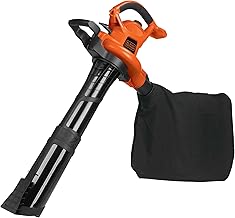
Many leaf mulchers are actually 3-in-1 machines: they blow leaves into piles, vacuum them up, and mulch them into a collection bag. This versatility saves you from buying separate tools. However, dedicated mulchers (without blower or vacuum functions) often have higher reduction ratios and can handle larger volumes. Think about your typical routine: if you prefer to rake and feed leaves directly into a shredder, a standalone mulcher may be more efficient.
Ease of Use and Bag Capacity
Bag size directly affects how often you need to stop and empty. Common capacities range from 40 to 55 gallons. A larger bag means fewer interruptions, but it also adds weight when full. Look for features like anti-jam mechanisms, easy-lock designs, and foldable frames for storage. Some models come with leaf scoops or rakes to simplify collection. If you have mobility concerns, a lightweight unit with a shoulder strap can make a big difference.
For more on choosing the right yard equipment, see our guide on zero-turn mowers and our zero-turn mower buying guide. You might also find our comparison of fabricated vs stamped mower deck useful for maintaining a healthy lawn.
Final Thoughts
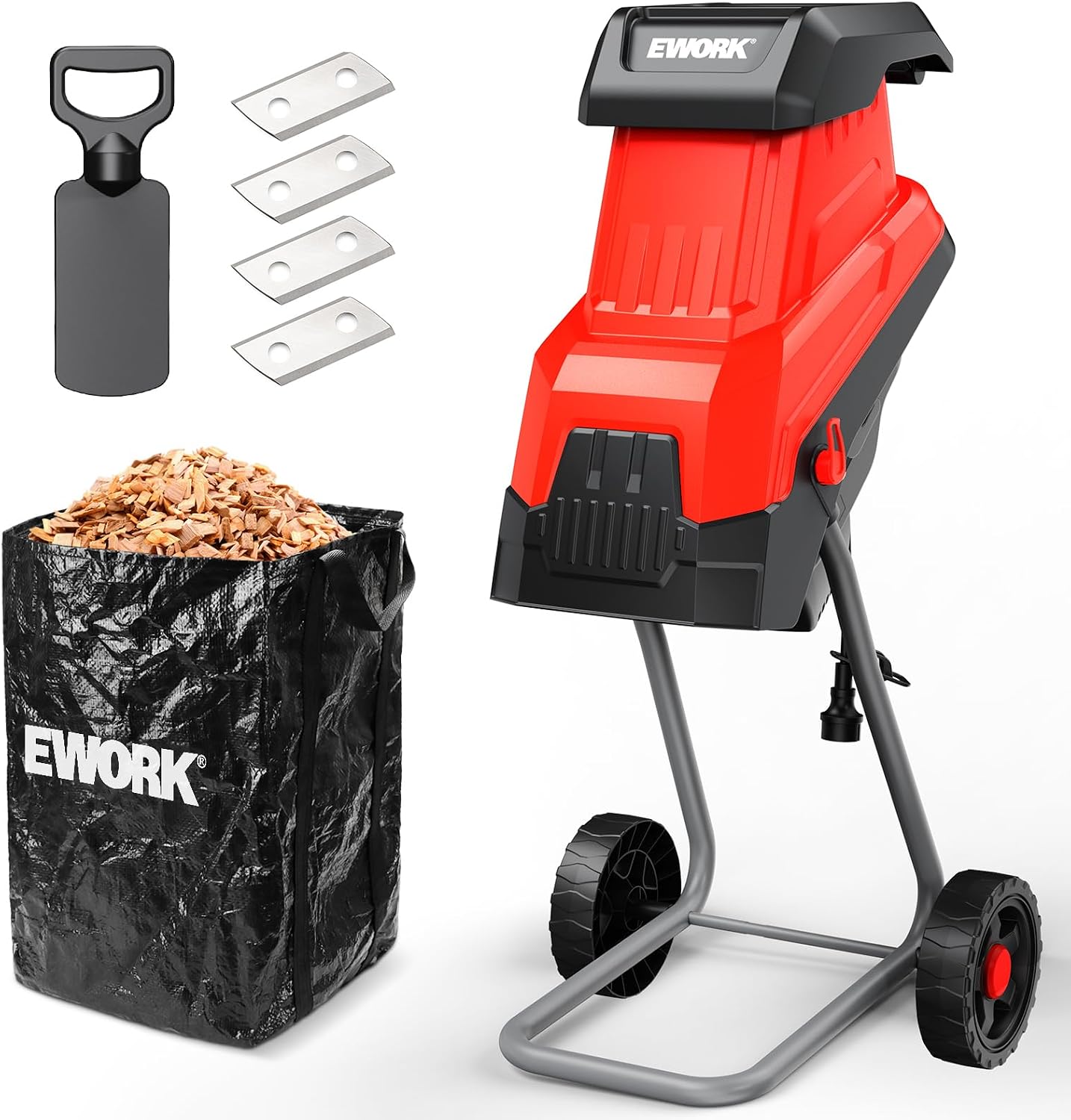
Choosing the best leaf mulcher comes down to your yard size, leaf volume, and preferred workflow. For most homeowners, a versatile 3-in-1 like the WORX WG509 strikes an excellent balance between blowing power, vacuum efficiency, and mulching performance. If you have heavy leaf coverage and want maximum reduction, the dedicated SOYUS Electric Leaf Mulcher delivers an impressive 18:1 ratio and a large collection bag, making quick work of even the messiest yard. Whichever you choose, you will save time and create valuable mulch for your garden beds.
Frequently Asked Questions
Can I use a leaf mulcher on wet leaves?
Most electric leaf mulchers handle dry leaves best. Wet leaves tend to clog the shredding mechanism and reduce efficiency. If you must mulch wet leaves, choose a model with a higher amp motor and anti-jam features. Some dedicated mulchers with cutting lines can process damp leaves, but expect slower throughput.
How does a leaf mulcher compare to a lawn mower for mulching?
A lawn mower with a mulching blade can chop leaves into small pieces, but it does not collect or reduce volume as effectively as a dedicated leaf mulcher. Leaf mulchers can achieve up to 18:1 reduction, turning many bags of leaves into one. For heavy leaf cover, a mulcher is far more efficient. For more on mower decks, see our article on kawasaki vs kohler mower engines.
Are cordless leaf mulchers as powerful as corded ones?
In 2026, cordless battery technology has improved, but corded models still offer superior sustained power for heavy mulching tasks. Corded units typically have 12–15 amp motors that never run out of juice. Cordless mulchers are convenient for small yards away from outlets, but for large volumes of leaves, corded remains the more reliable choice.
Can I compost the mulch from a leaf mulcher?
Yes, the finely shredded leaves from a leaf mulcher are excellent for composting. The smaller pieces break down much faster than whole leaves, creating nutrient-rich compost for your garden. Combine with grass clippings and kitchen scraps for a balanced pile. Just ensure the leaves are dry and free of disease to avoid introducing pathogens into your compost.


Write Your Review
No reviews yet. Be the first to share your experience!