

You manage a busy crew, clean commercial lots, or handle facility maintenance. The pressure washer you are using right now may be slowing you down, clogging, or simply not producing enough flow to strip tough grime. This guide evaluates the most reliable commercial pressure washers available today, with a focus on models that offer professional power without pushing your budget into the stratosphere.
Whether you are new to commercial cleaning or upgrading your existing fleet, our pressure washer resource hub has more comparison tools and buying tips to help you decide. And if you are thinking about the surrounding property, our zero turn mower buying guide covers another major investment in your equipment lineup.


What to Look for in a Commercial Pressure Washer
Choosing a commercial pressure washer is about matching the machine to your specific cleaning tasks. Here are the four factors we found most important during our evaluation.
PSI and GPM: Matching Power to the Task
PSI measures the force of the water stream, while GPM measures the volume. Both matter equally in commercial settings. High PSI without enough GPM leaves you scrubbing stubborn stains, while high GPM without enough pressure fails to etch or cut into hard surfaces.
For most jobs, 3500 PSI at 3.5 GPM is a solid starting point. If you frequently clean fleet vehicles or heavy machinery, look for a unit like the Kärcher – 4000 PSI Commercial Cold Water Gas that delivers 4.0 GPM to move through large areas faster.
Hot Water vs Cold Water: Know Your Environment
Cold water pressure washers work well for dirt, algae, and mild grime. They are simpler and generally cost less to maintain. Hot water units add a heating system that raises water temperature to break down grease, oil, tar, and other petroleum products on contact.
If your clients include auto shops, restaurants, or farms, hot water is a game changer. The BILT HARD 4 GPM 4000 PSI Gas Hot Water Pressure is built for exactly these conditions. Hot water also reduces the need for harsh chemicals, which is a big plus for the environment and your budget. To keep your mower deck clean and prevent rust, check out our fabricated vs stamped mower deck for maintenance tips.
Pump and Engine Quality: Built to Last
The pump is the most stressed component in any pressure washer. Triplex plunger pumps with brass heads and ceramic plungers handle continuous commercial use far better than cheaper axial pumps. You also want a reliable engine with easy service points, like the Honda or Senci engines found on several models in this lineup.
Look for a unit with a direct drive for fewer moving parts, or a belt drive for quieter operation and longer life. The high-flow pump assembly from Canpump, seen in the comparison above, is a good example of industrial-grade components. If you are building a complete property maintenance setup, our property equipment guide covers other tools that pair well with a pressure washer.
Portability and Convenience Features
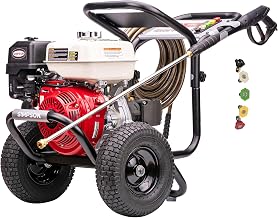
A commercial pressure washer sits on trailers or utility carts for a reason. Big wheels, a sturdy handle, and rubber feet make it easier to move across uneven job sites. Electric start models, like the Gas Engine Electric Start Commercial Grade, remove the hassle of pulling a recoil cord on cold mornings.
Also check the hose length and whether the machine accepts standard quick-connect nozzles. Features like downstream detergent injection and wireless control, available on some Canpump models, reduce the time you spend adjusting settings. And if you are considering a mower for the same properties, our zero turn mower vs robot mower can help you pick the right lawn equipment too.
Final Thoughts
When you need dependable cleaning power, the Kärcher – 4000 PSI Commercial Cold Water Gas is an excellent all-around choice for most commercial jobs. For grease-heavy environments, the BILT HARD 4 GPM 4000 PSI Gas Hot Water Pressure brings the heat you need to finish faster and leave surfaces spotless.
Frequently Asked Questions
What PSI and GPM should a commercial pressure washer have?
For most commercial work, you want at least 3500 PSI and 3.0 GPM. This combination gives you the force and volume to clean concrete, parking lots, building exteriors, and equipment efficiently. Higher GPM ratings, like the 4.0 GPM on the Kärcher model, speed up production considerably.
Is a hot water pressure washer worth it for commercial cleaning?
Yes, if you regularly deal with grease, oil, or heavy industrial grime. Hot water breaks down hydrocarbon stains faster than cold water, which means you use less chemical and spend less time scrubbing. The BILT HARD hot water model is a strong option for these situations.
How long do commercial pressure washers last?
With proper maintenance, a high-quality commercial unit can last 10 years or more, even with frequent use in 2026. Routine care includes changing oil, checking hoses, and winterizing the pump. For tips on maintaining all your property equipment, see our property equipment guide.
Can I use a commercial pressure washer on a zero turn mower?
Absolutely, as long as you keep the nozzle at a safe distance and avoid direct spray on bearings and electrical components. Many operators use a pressure washer to clean the underside of zero turn mowers after each season. Learn more about deck sizing in our 48 vs 54 inch zero turn mower.




Write Your Review
No reviews yet. Be the first to share your experience!