

You have a large property with concrete driveways, heavy equipment, or years of grime that a standard electric washer cannot touch. A belt drive pressure washer offers the durability and continuous duty cycle you need to tackle the toughest cleaning jobs day after day. In this guide, we assess the top belt drive models that deliver professional-grade performance without breaking your budget.
Whether you are a contractor, a farmer, or a homeowner with serious cleaning demands, these machines are built to last. We have verified each model for pump quality, engine reliability, and overall build. For more context on pressure washer categories, visit our Pressure Washers section.




Buying Guide
Pump Type: Triplex vs. Axial Cam
The pump is the heart of any belt drive pressure washer. Triplex pumps, like those from AAA or CAT, use three plungers for smoother flow and longer life. Axial cam pumps are cheaper but wear out faster under heavy use. For commercial-level cleaning, always choose a triplex pump.
Engine Quality and Power
A reliable engine ensures consistent performance. Honda GX series engines are industry benchmarks for longevity and easy starting. Other brands like CRX and Westinghouse also offer strong options. Look for engines with overhead valves and cast-iron sleeves for maximum durability.
Belt Drive vs. Direct Drive
Belt drive systems separate the pump from the engine, reducing vibration and heat transfer. This design allows the pump to run at lower RPMs, extending its life. Direct drive washers are lighter and cheaper but cannot match the duty cycle of a belt drive unit. For daily professional use, belt drive is the clear winner.
GPM and PSI Balance
Pressure (PSI) and flow (GPM) together determine cleaning speed. A machine with 4.0 GPM and 4000+ PSI can strip paint or clean large areas quickly. Focus on GPM first; higher flow often matters more than peak pressure for rinsing and surface cleaning.
For more on equipment selection, explore our Property Equipment hub.
Final Thoughts
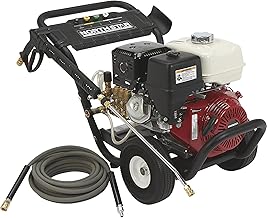
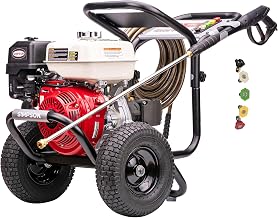
After reviewing the top contenders, we recommend the Simpson Water Blaster 4400 PSI for professionals who need a rugged, AAA triplex pump and a 50-foot hose for large jobs. For those who want a solid balance of power and value, the Westinghouse WPX4400 delivers 4.2 GPM and a reliable engine at a competitive price. Both models exemplify the durability and performance expected from belt drive pressure washers.
Frequently Asked Questions
What is the advantage of a belt drive pressure washer over direct drive?
Belt drive systems reduce vibration and allow the pump to run at lower speeds, which extends pump life significantly. They also make maintenance easier because you can replace the belt without removing the pump. For continuous commercial use, belt drive is the preferred choice.
How many GPM do I need for heavy-duty cleaning?
For tasks like stripping paint, cleaning concrete, or degreasing equipment, aim for at least 4.0 GPM. Higher flow rates cut cleaning time in half compared to lower GPM units. In 2026, most professional-grade belt drive washers offer 4.0 to 4.5 GPM.
Are Honda engines worth the extra cost?
Yes, especially for frequent use. Honda GX engines are known for their reliability, easy starts, and long service life. They hold their value well and are supported by a vast network of dealers. If you plan to use your pressure washer daily, a Honda engine is a sound investment.
Can I use a belt drive pressure washer for residential tasks?
Absolutely. While these machines are built for commercial duty, they work exceptionally well for large residential properties. You can adjust the pressure to wash cars, decks, and siding without damage. The extra durability means the washer will last for years even with occasional use.




Write Your Review
No reviews yet. Be the first to share your experience!