

If you need to clean large surfaces quickly, a 4 GPM (gallons per minute) pressure washer is the ideal tool. These machines deliver high water flow to blast away dirt from driveways, decks, and commercial equipment. In this guide, we review the top 4 GPM pressure washers on the market, covering both gas and electric models to suit different budgets and tasks. For more on choosing the right equipment, visit our Pressure Washers category.


Pros
- Powerful cleaning performance with 2500 max PSI and 1.76 GPM
- Compact and portable design at only 19 pounds and 16.5 inches tall
- Stable anti-tipping design with four-wheel steering for easy maneuverability
- Includes five nozzles and onboard soap tank for versatile cleaning tasks
- Backed by a 3 year limited warranty and nationwide customer support
Cons
- Corded electric design requires a nearby outlet, limiting portability compared to gas models
- Rated PSI is 2000, lower than the maximum 2500 PSI advertised at lowest pressure
- 20 ounce soap tank may need frequent refills for larger cleaning jobs
The Westinghouse ePX3500 electric pressure washer is a compact yet powerful cleaning tool designed for homeowners who need to tackle tough grime on driveways, patios, fences, cars, and more. With 2500 max PSI and 1.76 max GPM (at lowest pressure), it provides enough force to blast away mildew, grease, oil, mud, and rust from a variety of surfaces.
Standout features include the anti-tipping technology with a low center of gravity and four-wheel steering, which makes the unit remarkably stable and easy to maneuver around obstacles. The 25 foot easy-coil hose and pro-style steel wand with five quick-connect nozzles (0, 15, 25, turbo, and soap applicator) offer versatility for different cleaning tasks. The onboard 20 ounce soap tank allows for convenient detergent application without needing a separate bucket.
Design and build quality are impressive for the price. The unit is lightweight at 19 pounds and compact at 16.5 inches tall, making storage simple. The four quick-lock wheels provide 360 degree turning, so the washer follows you smoothly from driveway to grass. The Total Stop System automatically shuts off the pump when the trigger is not engaged, conserving energy and extending pump life.
Some drawbacks to consider: the electric cord limits range to the nearest outlet, and the maximum PSI is achieved only at the lowest pressure setting (rated output is 2000 PSI). The soap tank is small at 20 ounces, which may require refills for large areas. However, these are minor trade offs for the convenience and power this unit offers.
Overall, the Westinghouse ePX3500 is an excellent choice for homeowners seeking a reliable, easy to use electric pressure washer. Its combination of power, portability, and thoughtful features like anti-tipping and a long hose make it a top performer in its category. Backed by a 3 year warranty, it delivers great value for everyday cleaning needs.
Brand: Westinghouse
Model: ePX3500
Max Pressure: 2500 PSI (at lowest pressure)
Rated Pressure: 2000 PSI
Max Flow Rate: 1.76 GPM (at lowest pressure)
Rated Flow Rate: 1.2 GPM
Power Source: AC (corded electric)
Hose Length: 25 feet
Soap Tank Volume: 20 fluid ounces
Weight: 19 pounds
Dimensions: 13.5 x 14 x 16.5 inches
Warranty: 3 Year Limited
Included: Pro-style steel wand, 5 nozzles (0, 15, 25, turbo, soap), hose
Buying Guide
Flow Rate vs. Pressure
When shopping for a 4 GPM pressure washer, you will often see PSI (pounds per square inch) listed alongside GPM. While PSI determines cleaning force, GPM determines how fast you can cover an area. A 4 GPM machine with moderate PSI (around 4000) is excellent for stripping paint or cleaning large patios because the high water volume rinses away debris quickly. For typical home use, a balance of both is key.
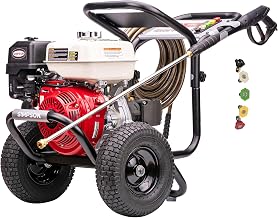
Models like the 4200PSI Gas Pressure Washer 4.0GPM Gas Power offer a strong combination of pressure and flow, making them versatile for heavy tasks. If you prioritize speed over sheer force, focus on GPM first.
Gas vs. Electric Power
Gas pressure washers dominate the 4 GPM category because they can sustain high flow rates without tripping breakers. They are ideal for off‑grid use and large jobs. Electric models are quieter and require less maintenance, but few reach 4 GPM. The Adjustable Pressure Pressure Washer Cleaner with 4 is a rare electric unit that achieves 4.0 GPM, suitable for residential tasks where noise is a concern.
For commercial or frequent use, gas models from our list (such as the 4200 PSI units) provide the durability and runtime needed. Check our Property Equipment page for more on choosing between power sources.
Build Quality and Durability
A 4 GPM pressure washer endures high stress, so components like the pump, engine, and frame must be robust. Look for axial cam pumps (brass or stainless steel) and engines with overhead valves. The 4200PSI Gas Pressure Washer 4.0GPM Gas Power (dark black version) features a 212cc engine and a steel frame, earning high marks from buyers for reliability.
Wheels and hose reels also affect longevity. Models with pneumatic tires and a hose reel (like the one mentioned) make transport and storage easier. Avoid units with plastic pump heads if you plan to use the washer regularly.
Accessories and Hose Length
Standard accessories include a spray gun, wand, and quick‑connect nozzles. For a 4 GPM machine, a longer hose (30–50 feet) is beneficial so you do not have to move the unit constantly. Some models come with a foam cannon for detergent application. The Gas Pressure Washer 4200PSI Gas Power Washer 4.0 includes a 25‑foot hose and five nozzles, covering most cleaning angles.
If you plan to wash cars, a foam cannon and a variable pressure trigger are useful. For deck or siding work, a turbo nozzle accelerates cleaning. Check the included accessories before buying to avoid extra costs.
Final Thoughts
After reviewing the top 4 GPM pressure washers, we recommend two models that stand out for different needs. For heavy‑duty commercial use, the 4200PSI Gas Pressure Washer 4.0GPM Gas Power delivers reliable performance and a strong warranty. If you prefer an electric option with less noise and maintenance, the Adjustable Pressure Pressure Washer Cleaner with 4 offers true 4 GPM flow for home tasks. Both are excellent choices for anyone needing high‑volume cleaning in 2026.
Frequently Asked Questions
Do I need a 4 GPM pressure washer for home use?
If you frequently clean large driveways, decks, or siding, a 4 GPM machine saves time by rinsing faster than lower‑flow models. For occasional car washing, a 2 GPM unit may suffice, but the extra flow is worth the investment for heavy tasks.
What is the difference between PSI and GPM?
PSI measures the pressure of the water stream, while GPM measures the volume of water delivered per minute. Together they determine cleaning power. A 4 GPM pressure washer with 4000 PSI provides both strong impact and rapid rinsing, ideal for stripping paint or cleaning concrete.
How do I maintain a gas pressure washer?
Change the engine oil after the first 20 hours and then every 50 hours. Check the air filter, spark plug, and pump oil regularly. Flush the system with fresh water after each use and store the unit with fuel stabilizer if not used for months. For more tips, see our Pressure Washers guide.
Can I use a 4 GPM pressure washer with a standard garden hose?
Yes, but the hose must be at least 5/8‑inch in diameter to supply enough water. A shorter hose (25–50 feet) reduces pressure loss. Ensure your outdoor spigot provides adequate flow (at least 5 GPM) to avoid starvation of the pump.



Write Your Review
No reviews yet. Be the first to share your experience!