

When a nor’easter dumps two feet of wet, heavy snow on your Maine driveway, a flimsy shovel just won’t cut it. You need a machine that can power through drifts, clear a wide path, and toss snow far enough to keep your property walkable. This guide breaks down the best snow blowers for Maine based on real-world demands, from compact electric shovels to heavy-duty two-stage gas models. Whether you’re clearing a short walkway or a long gravel drive, we’ve got a pick that fits your situation.
We’ve evaluated dozens of snow blowers across power sources, clearing widths, and build quality to help you make an informed choice. Our focus is on Maine’s unique conditions: heavy snowfall, freezing temperatures, and often tricky terrain. Read on to find the model that matches your property, your storage space, and your tolerance for maintenance.






Buying Guide: What to Look for in a Maine Snow Blower
Before you commit to a snow blower, consider these four critical factors. Maine snow is often wet and dense, so you need a machine that can handle both depth and weight. We’ll break down each element so you can match the tool to your driveway, deck, and walkways.
Clearing Width and Intake Depth
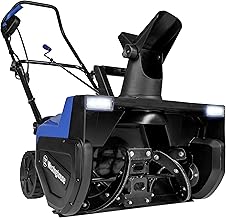
The clearing width determines how many passes you’ll need to make. For a single-car driveway, a 20-inch electric model like the 20 in Width, 12 in Depth, up to 25 ft Throw is efficient. But if you’re tackling a two-car driveway or longer rural paths, a 24-inch or wider unit saves time. Intake depth matters for heavy snowfall: look for at least 12 inches of depth capacity so you can handle a single big storm without clogging.
Two-stage machines like the EGO SNT2405 24″ Cordless Snow Blower Kit are designed for deep drifts. They use an auger to break up snow and an impeller to throw it, making them far more effective for Maine’s frequent multi-day snow events. For most homeowners, a 22-24 inch intake width hits the sweet spot between maneuverability and coverage.
Throw Distance and Chute Control
You don’t want snow piled right next to your cleared path. A throw distance of at least 25 feet is helpful, and 30 feet or more is better for larger lots. The 40V Brushless Electric Snow Blower offers up to 30 feet of throw, making it capable of launching snow over banks and away from walkways. Chute rotation is equally important: a 180-degree or 200-degree chute lets you direct snow where you want it without repositioning the whole machine.
Look for models with manual or electric chute adjusters. Some like the Steelite 20 Inch Corded Electric Snow Blower feature adjustable chutes and dual LED lights for early morning or evening clearing. If you often face wind, a chute with a deflector helps control the snow stream precisely.
Power Source: Gas, Electric, or Battery
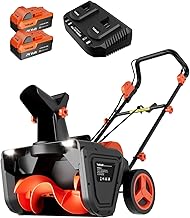
Maine’s cold temperatures can sap battery performance, but modern lithium-ion packs hold up well. Cordless models like the VOLTASK Cordless Snow Shovel, 24V | 13-Inch are perfect for quick cleanup of small decks and walkways. They’re lightweight, start instantly, and require no fuel. For larger areas, a 40V or 48V system, such as the VOLTASK 48V Cordless Snow Blower, 48-Volt, offers more runtime and power.
Gas-powered units remain the heavy-duty choice. The Ariens ST28DLE Deluxe SHO 28 in. Two-Stage and the HondaElectric Start and Track Drive are built for years of intense service, with electric start for easy ignition in cold weather. They handle gravel driveways and thick, wet snow that bog down electric models. However, they need more maintenance and storage space.
Self-Propelled vs. Single-Stage
Maine driveways often have slopes, and pushing a heavy snow blower uphill is exhausting. Self-propelled models, such as the EGO Power+ 24″ Electric Snow Blower, use a drive system to move forward on their own, so you only guide it. This is a game-changer for anyone with back problems or a long driveway. Single-stage electric shovels work fine on flat, paved surfaces and small areas, but they’ll struggle on gravel or deep snow.
For maximum traction on icy inclines, track-drive models like the Honda we mentioned give you the grip you need. If you have a large property, consider a two-stage self-propelled gas unit; for short, flat distances, a cordless electric shovel is sufficient. Check out our recommendations for campgrounds and apartment complexes as well: the best snow blower for campgrounds and the best snow blower for apartment complexes offer insights for those specific settings.
Final Thoughts
Choosing the right snow blower for Maine comes down to your property size, snow depth, and physical strength. For most homeowners with a standard two-car driveway and deep snow, the EGO SNT2405 24″ Cordless Snow Blower Kit delivers exceptional power, self-propelled ease, and battery convenience. If you only need to clear a small walkway or deck, the VOLTASK Cordless Snow Shovel, 24V | 13-Inch is a lightweight, budget-friendly sidekick that gets the job done without fuss. Both represent the best in their class for Maine’s winter conditions, so assess your needs and pick the one that makes shoveling a thing of the past.
Frequently Asked Questions
What size snow blower do I need for Maine?
For a typical Maine driveway of 20-30 feet, a 20-24 inch clearing width is sufficient. Longer driveways or frequent heavy snowfalls may benefit from a 28-inch model. Consider the depth of snow you usually get; if it exceeds 12 inches per storm, a two-stage machine is safer.
Are battery-powered snow blowers effective in Maine’s cold?
Yes, modern lithium-ion batteries perform well in sub-zero temperatures, though runtime can decrease by 10-20% in extreme cold. Look for models with brushless motors and multiple batteries, like the EGO SNT2405, to maintain consistent power. Always store batteries inside and swap them as needed.
Should I get a two-stage or single-stage snow blower for Maine?
Single-stage blowers are lighter and easier to handle but struggle with deep, wet snow. Two-stage blowers use an auger and impeller to chew up and throw snow farther, making them ideal for Maine’s heavy storms. For most properties, a two-stage is worth the extra investment.
How often do I need to maintain a gas snow blower?
Gas snow blowers require seasonal maintenance: check oil, replace spark plugs, and run the engine dry at the end of winter. If you prefer low maintenance, consider electric models that need almost no upkeep. For contractors or heavy users, a gas machine like the Ariens is built for longevity. See our best snow blower for contractors and best snow blower for vacation homes for more insights on usage-specific choices.
If you’re still exploring, our Snow Blowers category page and Seasonal Equipment hub have more detailed guides to help you decide.


Write Your Review
No reviews yet. Be the first to share your experience!