

Living in the Midwest means facing unpredictable winter storms that can dump heavy, wet snow on your driveway and sidewalks. Choosing the right snow blower can make the difference between a quick cleanup and a backbreaking ordeal. In this guide, we have evaluated the top models for Midwest conditions, focusing on power, durability, and ease of use. Whether you need a compact cordless unit for a short walkway or a self-propelled gas machine for a long driveway, we have you covered.






Buying Guide: Key Features for Midwest Snow Blowers
Clearing Width and Depth
The Midwest often sees snow accumulations of 6 to 12 inches or more. A wider clearing width, such as 20 or 24 inches, allows you to clear a path in fewer passes. Depth capacity is equally important; look for models that can handle at least 12 inches of snow to avoid stalling in deep drifts.
Power Source: Corded, Cordless, or Gas
Cordless electric models offer freedom of movement without the hassle of cords or gas. They are ideal for smaller driveways and quieter operation. Gas models, like the PowerSmart 26-Inch Self Propelled Two-Stage, provide unmatched power for heavy, wet snow and large areas. Corded electric units are budget-friendly but limited by cord length. For extreme cold, a gas or high-voltage cordless model is often more reliable.
If you frequently deal with sleet or icy conditions, check out our guide on the best snow blower for sleet for specialized recommendations.
Throw Distance and Chute Control
A throwing distance of at least 25 feet helps you move snow away from cleared areas. Adjustable chutes let you direct snow precisely, avoiding walkways or flower beds. Look for models with a 180- or 200-degree rotating chute for maximum flexibility.
Auger Design for Wet Snow
Midwest snow is often heavy and wet, which can clog standard augers. Steel augers, like those on the EGO Power+ 24-inch model, cut through packed snow more effectively. Some cordless units feature anti-scratch augers to protect surfaces while maintaining performance. For crusted snow conditions, a two-stage system with a powerful impeller is a smart choice. Learn more in our best snow blower for crusted snow article.
Final Thoughts
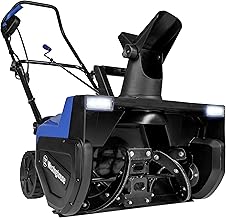
Choosing the best snow blower for the Midwest ultimately depends on your property size and typical snowfall. For most homeowners, the EGO Power+ 21″ Electric Snow Blower, Gray/Black strikes an excellent balance between power and convenience, with its cordless design and steel auger handling moderate to heavy snow with ease. If you have a larger driveway or face frequent blizzards, the PowerSmart 26-Inch Self Propelled Two-Stage Snow blower offers the gas-powered muscle needed to clear deep, wet snow quickly. Both models are built to withstand Midwest winters and will keep your paths clear all season long.
Frequently Asked Questions
What type of snow blower is best for heavy Midwest snow?
For heavy, wet snow, a two-stage gas or high-voltage cordless model with a steel auger is recommended. The EGO Power+ 24-inch cordless two-stage is a popular choice, as is the PowerSmart gas model. Both can handle 12-inch depths and throw snow over 30 feet.
Can a cordless snow blower handle a long driveway?
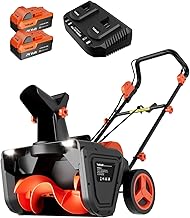
Yes, many cordless models now come with dual batteries that provide enough runtime for standard driveways. For example, the ETOOLAB 40V Cordless Snow Blower with dual 4.0Ah batteries can clear up to a 20-inch path for about 30 minutes. For longer driveways, consider a gas model or a cordless unit with larger battery capacity.
How do I maintain my snow blower for Midwest winters?
After each use, clear any snow and ice from the auger and chute. For gas models, use fuel stabilizer and store indoors. For cordless units, keep batteries charged and stored above freezing. Check shear bolts and replace if worn. For extreme cold conditions, see our best snow blower for extreme cold guide for additional tips.
What is the average price of a good snow blower for the Midwest?
Prices vary widely based on power source and features. Corded electric models start around $150, cordless units range from $250 to $800, and gas models can cost $900 or more. Investing in a quality unit that matches your snow load will save time and effort over the years.


Write Your Review
No reviews yet. Be the first to share your experience!