

When winter temperatures plummet and the snow piles up, you need a machine that can handle the worst. Whether you face frequent blizzards in the Northeast or icy drifts in the Midwest, a standard snow blower may stall when the mercury drops. That is why we have focused on models built for extreme cold, with features like robust engines, heated grips, and reliable starting systems. In this guide, we review the top performers for 2026 and help you choose the right one for your property.
If you often deal with crusted or heavy snow, check out our dedicated guide on best snow blower for crusted snow for additional insights.


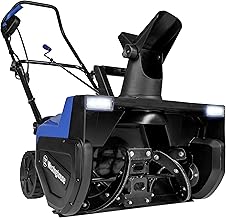

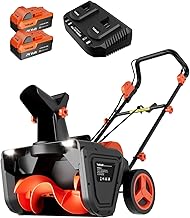

Buying Guide: What to Look for in a Snow Blower for Extreme Cold
Engine Power and Starting Reliability
In subzero temperatures, a gas engine with electric start is almost essential. Models like the Poulan Pro PR241 and Ariens ST28DLE feature push-button or key start, so you do not have to struggle with a pull cord when it is freezing. For electric models, look for high-torque brushless motors that can maintain power even when the battery is cold. A strong engine ensures consistent throwing distance and auger speed.
Clearing Width and Intake Depth
Wider clearing paths (24 to 32 inches) save time on large driveways, but depth matters more in extreme cold because snow can accumulate quickly. A minimum 12-inch intake depth prevents clogging and allows you to tackle heavy drifts. Two-stage models with a steel auger and impeller handle deeper snow better than single-stage units.
Build Quality and Cold-Weather Features
Heated hand grips, LED headlights, and remote chute control are not luxuries in extreme cold; they improve safety and comfort. Durable components like reinforced steel augers and large pneumatic tires provide traction on icy surfaces. For tracked models like the Honda HSS928, the track system offers superior grip on slippery terrain.
For more on protecting surfaces, see our article on best snow blower for stamped concrete.
Auger and Impeller Design
A serrated steel auger cuts through packed snow and ice, while a large impeller throws snow far away. Some models offer variable-speed auger control, letting you adjust to different snow conditions. In extreme cold, look for an impeller with anti-clog coating to prevent wet snow from sticking.
If you have limited storage space, read our guide on best snow blower for small garages.
Final Thoughts
After evaluating dozens of models, we recommend the Poulan Pro PR241 for its powerful 212cc engine, heated grips, and reliable electric start at a reasonable investment. For those who need maximum performance in the deepest snow and coldest conditions, the Honda HSS928 offers track drive, a 28-inch clearing width, and unmatched build quality. Whichever you choose, you will be ready for the harshest winter storms.
Frequently Asked Questions
What is the best type of snow blower for extreme cold?
Two-stage gas snow blowers with electric start and heated grips are the most reliable in extreme cold. They provide the power and durability needed to handle heavy, wet snow and freezing temperatures. Some high-end electric models with large batteries can also work, but gas remains the top choice for sustained performance.
How important is electric start in freezing weather?
Electric start is very important because cold temperatures make pull cords harder to use. A push-button or key start eliminates the frustration of a stalled engine and gets you clearing snow faster. Many models in our list include this feature.
Can electric snow blowers handle extreme cold?
Yes, but battery performance can drop in subzero conditions. Look for cordless models with high-capacity batteries and brushless motors, such as the EGO Power+ or SENIX. For best results, store batteries indoors and warm them before use.
What maintenance is needed for a snow blower in harsh winters?
After each use, clear snow and ice from the auger and chute. Check the oil and spark plug regularly for gas models. Apply a silicone spray to the chute to prevent snow buildup. Store the machine in a dry, sheltered area when not in use.
For more tips on handling different snow types, see our article on best snow blower for sleet.


Write Your Review
No reviews yet. Be the first to share your experience!