

If you live on a hill or have a sloped driveway, you know the frustration of snow removal. Standard snow blowers often struggle on inclines, losing traction or failing to throw snow far enough. The right machine can make all the difference, saving your back and your time. In this guide, we focus specifically on the best snow blower for hills, evaluating models that combine powerful throwing distance, reliable traction, and easy maneuverability on uneven terrain.
We evaluated over a dozen cordless, corded, and self-propelled snow blowers from top brands like EGO, WORX, and SENIX. Our criteria included clearing width, intake depth, throwing distance, chute control, and tire traction. Whether you need a lightweight cordless model for a short slope or a heavy-duty self-propelled unit for a long, steep driveway, we have recommendations for every situation. For more insights on handling challenging snow conditions, check out our guide on best electric snow blower for wet snow.



What to Look for in a Snow Blower for Hills
Clearing Width and Intake Depth
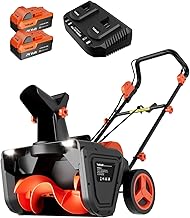
A wider clearing width means fewer passes, which is crucial on a slope where every step matters. Look for at least 20 inches of width. Intake depth determines how much snow the auger can bite into. For heavy, drifted snow on hills, a depth of 10 inches or more is ideal. Models like the WORXBrushless Motor; 20″ Clearing Width offer a solid balance of width and depth for moderate slopes.
However, if your hill gets frequent heavy snowfall, consider a machine with a 24-inch clearing width, such as the EGO SNT2405 24″ Cordless Snow Blower Kit. Its larger intake can handle deeper accumulations without clogging, saving you time and effort on steep terrain.
Throwing Distance and Chute Control
On a hill, you often need to throw snow far to the side or downhill. A throwing distance of at least 25 feet is recommended. Adjustable chutes with remote or joystick controls let you direct snow precisely without stopping. The SENIX1800W Brushless Motor, 12″ Depth boasts a 33-foot throw, making it excellent for clearing slopes where snow must be launched clear of the path.
Also consider chute rotation range. A 180-degree chute gives you flexibility for wind direction and obstacles. For tight spaces on hills, a model with a 200-degree or more rotation can be a game-changer. If you frequently navigate narrow paths, our guide on best snow blower for tight spaces offers additional tips.
Traction and Self-Propulsion
This is the most critical feature for hills. Self-propelled models with large, knobby tires provide the grip needed to climb slopes without slipping. Look for variable speed control so you can adjust pace on the incline. The EGO SNT2405 features a self-propelled drive with variable speed and a sturdy wheelbase that handles steep grades confidently.
For cordless models, weight distribution matters. A heavy battery pack can shift the center of gravity, affecting balance. Some brands like VOLTASK and SENIX design their machines with low-profile batteries to keep the weight low. If you have a particularly steep driveway, consider a corded electric model with a long extension cord to avoid battery weight altogether, such as the Westinghouse WSnow20 Corded Snow Blower 20 Inch.
Power Source: Corded vs. Cordless
Cordless snow blowers offer freedom of movement, which is valuable on hills where cords can tangle. But battery life can be a concern on long slopes. Models with dual batteries, like the VOLTASK 48V Cordless Snow Blower, 48-Volt, provide extended runtime. Corded blowers never run out of power, but you need a heavy-duty extension cord and a nearby outlet. For hills, a corded model with a 15-amp motor delivers consistent torque, ideal for wet, heavy snow.
If you prioritize portability and have a moderate slope, a cordless machine with brushless motors (like the 20 in Width, 12 in Depth, up to 25 ft Throw) offers good efficiency and less maintenance. For renters, corded electric blowers are often more affordable and easier to store. See our recommendations for best electric snow blower for renters for more options.
Final Thoughts
Choosing the best snow blower for hills comes down to balancing throwing distance, traction, and power source. For homeowners with long, steep driveways, the self-propelled EGO SNT2405 24″ Cordless Snow Blower Kit offers unmatched grip and a wide clearing path. If you need a lighter, more affordable option for shorter slopes, the SENIX1800W Brushless Motor, 12″ Depth provides excellent throwing distance and battery life. Both models have earned high marks from users who face hilly terrain every winter, and we are confident they will keep your driveway clear and safe.
Frequently Asked Questions
Can I use a single-stage snow blower on a hill?
Single-stage blowers are lighter and easier to maneuver, but they lack the traction and power of two-stage models. On gentle slopes, a single-stage with good tires can work, but for steep hills, a self-propelled two-stage or a powerful corded electric is safer and more efficient. In 2026, many cordless single-stage models have improved traction, so check for rubber tires or track systems.
How far should a snow blower throw snow on a hill?
For hills, a throwing distance of at least 25 feet is recommended to clear the path without pushing snow back onto the driveway. Models with 30+ feet, like the SENIX1800W, are ideal. A remote chute control helps you direct snow away from the slope. For extreme cold conditions, see our guide on best gas snow blower for extreme cold.
Are cordless snow blowers powerful enough for hills?
Yes, modern cordless snow blowers with brushless motors and high-voltage batteries (40V to 56V) can handle moderate hills. Look for models with dual batteries to maintain power on long slopes. The VOLTASK 48V and EGO 56V series are examples of cordless blowers that perform well on inclines. Always check the battery runtime for your driveway length.
What is the best tire type for snow blowers on hills?
Pneumatic tires with deep treads provide the best traction on snow and ice. Some models offer chains or track systems for extreme slopes. Self-propelled blowers with large, knobby tires are preferred. If your hill is very steep, consider a tracked snow blower, though they are heavier and more expensive.


Write Your Review
No reviews yet. Be the first to share your experience!