

When winter dumps a load of heavy, wet snow on your driveway, a standard gas blower can struggle, and a shovel is out of the question. That sticky, slushy mix clogs augers and stalls motors. But the right electric snow blower handles wet snow with ease, saving your back and your time. We have evaluated the top cordless and corded models on the market, focusing on motor power, auger design, and chute control to find which ones truly conquer slush. Whether you need a lightweight option for a small patio or a heavy-duty machine for a long driveway, this guide will help you choose the best electric snow blower for wet snow in October 2026.
If you are renting or have limited storage, check out our recommendations for electric snow blowers for renters, which focus on compact, easy-store designs. For those with narrow walkways, our sidewalk snow blower guide covers models with precise chute control.





Buying Guide: What to Look for in an Electric Snow Blower for Wet Snow
Motor Power and Auger Design
Wet snow is dense and heavy, so you need a motor strong enough to chew through it. Brushless motors deliver more torque and run longer than brushed ones. Look for models with at least 1800 watts (corded) or 40 volts (cordless). The auger design matters too: steel augers with serrated edges cut through packed slush better than plastic ones. Some blowers feature an anti-scratch auger that prevents damage to decks and patios while still gripping snow.
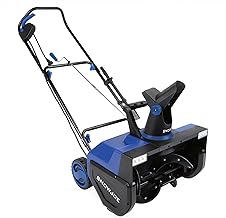
For example, the Westinghouse WSnow20 Corded Snow Blower 20 Inch uses a steel auger and a 15-amp motor that moves 680 pounds of snow per minute. That kind of capacity is essential for wet, heavy conditions.
Battery Life vs. Corded Convenience
Wet snow drains batteries faster because the motor works harder. If you choose a cordless model, prioritize units with high-capacity batteries (4.0Ah or more) and fast chargers. Some blowers come with two batteries so you can swap while one charges. For larger driveways, a corded electric snow blower offers unlimited runtime and consistent power. However, you must manage the extension cord. If your property has multiple obstacles, a cordless design with good battery life may be more practical.
For small to medium driveways, consider the best electric snow blowers for small driveways that balance battery runtime and weight.
Chute Control and Throw Distance
Wet snow is sticky and tends to clump, so a wide chute with a smooth interior helps prevent jams. Look for a chute that rotates 180 degrees or more, allowing you to direct snow exactly where you want it. A long throw distance (25 feet or more) is helpful for clearing a path without piling snow nearby. Some models include a directional plate or adjustable deflector to fine-tune the stream.
If you frequently clear decks or patios, a compact blower with a short throw and easy chute control can be ideal. Our patio snow blower guide highlights models with precise chute adjustments.
Weight and Maneuverability
Heavy, wet snow makes any blower harder to push. A lightweight machine (under 30 pounds) reduces fatigue, but you still need enough heft to keep the auger engaged. Look for models with foldable handles or compact storage if space is tight. Many cordless blowers are designed to be stored upright or hung on a wall. Also, consider the wheel size: larger wheels roll more easily over uneven ground and packed snow.
For decks and steps, a lightweight electric snow shovel like the one from our deck snow blower roundup can be a game changer.
Final Thoughts
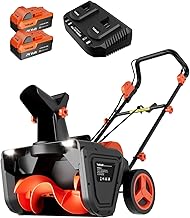
After reviewing the top contenders, two models stand out for different needs. If you want a cordless solution with impressive power for its size, the 20 in Width, 12 in Depth, up to 25 ft Throw from ETOOLAB combines a brushless motor with dual 4.0Ah batteries, giving you the runtime and torque to handle wet snow on a standard driveway. For those who prefer unlimited runtime and raw power, the Westinghouse WSnow20 Corded Snow Blower 20 Inch delivers a steel auger and a 15-amp motor that plows through slush without bogging down. Both are excellent choices for conquering the wettest winter storms.
Frequently Asked Questions
Can electric snow blowers handle wet snow?
Yes, many modern electric snow blowers are designed to handle wet, heavy snow. Look for models with brushless motors, steel augers, and high-capacity batteries or corded power. These features prevent clogging and provide enough torque to throw slush effectively.
How long do batteries last in cold weather when clearing wet snow?
Battery performance drops in cold temperatures, and wet snow increases the load. Expect runtime to be reduced by 20% to 40% compared to dry snow. In 2026, many manufacturers include larger batteries (4.0Ah or more) and dual-battery systems to compensate. Always store batteries indoors when not in use.
What size electric snow blower do I need for a driveway with wet snow?
For a single-car driveway, a 20-inch clearing width with at least a 12-inch intake depth works well. For longer driveways, consider a 21-inch model with a powerful motor. Corded options provide unlimited runtime, while cordless models with two batteries can cover most residential driveways. Check our snow blower category page for more size recommendations.
Are corded or cordless snow blowers better for heavy, wet snow?
Corded snow blowers offer consistent power and never run out of battery, making them ideal for heavy, wet snow on large areas. Cordless models provide freedom of movement and are easier to store, but you need to manage battery life. For wet snow, a corded model or a high-voltage cordless (48V or 56V) with large batteries is recommended.


Write Your Review
No reviews yet. Be the first to share your experience!