

Waking up to a driveway covered in icy, compacted snow can be a nightmare. Standard shovels barely scratch the surface, and light-duty blowers just throw powder. If you’re facing that hard-packed, frozen slush, you need a snow blower built to chew through ice. In this guide, we’ve assessed the top models for icy snow in 2026, focusing on those with the power, auger design, and throw distance to handle the toughest winter conditions.
Whether you have a long driveway or a small walkway, we’ll help you find the right fit. We’ll cover everything from cordless electric to two-stage gas-powered machines, and we’ll also share the key features that matter most when dealing with ice. Check out our earlier guide on packed snow blowers for more context on compacted snow challenges.


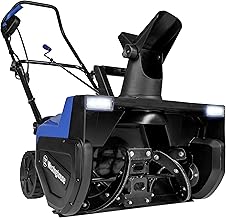


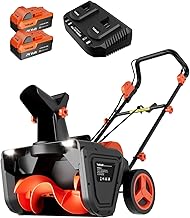


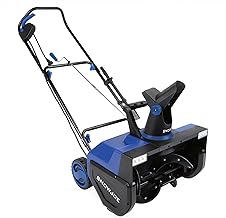


Buying Guide: What to Look for in a Snow Blower for Icy Snow
Auger Design and Material
The auger is the heart of the machine. For ice, a steel auger with serrated edges is non-negotiable. It crushes and breaks up ice chunks before they reach the impeller. Rubber augers simply bounce off hard ice, stalling and leaving you stranded. The <a href="20 in Width, 12 in Depth, up to 25 ft Throw" from ETOOLAB features a brushless motor and a steel auger, ideal for breaking up ice. Another strong contender is the <a href="SENIX1800W Brushless Motor, 12" Depth" which offers variable speed to adjust to icing conditions.
Throw Distance and Chute Control
Icy snow is heavy and wet, so you need a blower that can launch it far away from the driveway. A throwing distance of at least 30 feet is ideal. Adjustable chutes let you direct the discharge precisely, preventing snow from piling back onto cleared areas. The <a href="20" Clearing Width, 30ft Throwing Distance w" from EWORK offers 30 feet of throw and a 180-degree rotating chute, perfect for icy conditions. If you're clearing a small path, a compact single-stage like those at best for small yards might suffice, but for icy snow, you need extra power.
Self-Propulsion and Traction
On ice, pushing a heavy blower is exhausting and dangerous. Self-propelled models take the strain off your back. Track-driven designs, like the <a href="HondaElectric Start and Track Drive" HSS928, provide superior traction and grip, even on glare ice. For gas models, power steering is a huge plus for maneuvering around obstacles. Homeowners with standard driveways often prefer the convenience of a self-propelled model, as seen in our best single-stage blowers for homeowners guide, though ice requires a sturdier build.
Power Source: Cordless, Corded, or Gas
Your choice between cordless, corded, and gas affects portability and run time. Cordless models offer freedom but require battery capacity. The <a href="EGO Power+ 21" Electric Snow Blower, Gray/Black" with two 56V batteries can handle medium-sized driveways on one charge. Gas-powered two-stagers, like the <a href="PowerSmart 26-Inch Self Propelled Two-Stage Snow", have unlimited range and raw power for big jobs. For those on a budget, the <a href="Steelite 20 Inch Corded Electric Snow Blower" provides reliable ice-breaking power without the need for batteries or gas. The <a href="VOLTASK 48V Cordless Snow Blower, 48-Volt" is another cordless option with dual batteries for longer runtime. For wet, icy snow, a gas or high-voltage battery is essential, as we discuss in wet snow blowers.
Final Thoughts
Choosing the right snow blower for icy snow comes down to matching the machine to your driveway size and ice severity. For most homeowners, a self-propelled two-stage like the EGO Power+ 24″ Electric Snow Blower offers the perfect balance of power and battery convenience. If you’re dealing with heavy ice over large areas and want maximum durability, the HondaElectric Start and Track Drive is a beast that will last a lifetime. Both models can handle the toughest icy conditions, so pick the one that matches your budget and snow-clearing needs.
Frequently Asked Questions
What is the difference between a single-stage and two-stage snow blower for ice?
Single-stage blowers use a rubber auger to scoop and throw snow in one motion, making them unsuitable for packed ice. Two-stage models have a steel auger that first breaks up ice, then a second impeller throws it further. For icy conditions, a two-stage is the safer bet. For more details, see our guide on deep snow blowers.
How important is throwing distance for icy snow?
Very important. Icy, heavy snow clumps together, so a longer throw distance (30+ feet) ensures you clear the driveway without having to re-clear areas. Look for models with adjustable chutes to precisely aim the snow away.
Are cordless snow blowers powerful enough for icy driveways?
Modern cordless models with brushless motors, like the EGO Power+ series, can handle icy snow if they have steel augers and enough battery capacity. However, they may run out of battery on very large driveways. For extensive ice, a gas-powered two-stage might be more reliable.
Does track drive or wheel drive work better on ice?
Track drive provides better traction and stability on icy surfaces, preventing wheel spin and giving you more control. Wheel drive can work if the blower is self-propelled, but tracks are more effective on glare ice.


Write Your Review
No reviews yet. Be the first to share your experience!