

After a foot of snow piles into your driveway, you want a machine that turns that white wall into a clean surface in minutes. A commercial-class snow blower is more than just a bigger engine: it means reinforced augers, wider clearing paths, and controls designed for repeated use. This guide covers the best commercial snow blowers for large properties and light-business use in 2026.
We assessed each model for clearing speed, build quality, ease of operation, and real-world reliability. We also compared gas and electric power systems so you can choose the right fit for your climate and routine. If you are still deciding between shovel and machine, check our electric snow shovel guide for smaller jobs, or explore track drive snow blowers for added traction.


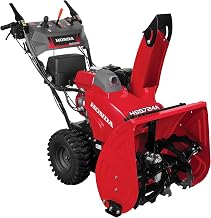


What to Look For in a Commercial Snow Blower
These are the specifications that separate a reliable snow blower from a frustrating one. We used these criteria to evaluate every model in the comparison table above.
Clearing Width and Intake Height
Clearing width determines how many passes you need. A 24-inch model handles most residential driveways, while a 28-inch or wider unit is better for parking areas and multi-car lanes. Intake height matters in deep snow: a taller housing pulls snow in without clogging.
Look for a model with a heavy-duty auger and a wide discharge chute. These features reduce clumps and keep the machine moving through wet, dense snow without stalling.
Engine Power and Drive System
Gas engines in the 250 to 400 cc range deliver reliable torque for tough drifts. Electric models use dual high-voltage batteries and produce consistent power without fuel or exhaust. For large properties, a self-propelled or tracked drive system reduces fatigue and improves control on sloped surfaces.
If you prefer battery power, review our best 60V snow blower roundup for performance comparisons. For gas options, consider the Husqvarna ST324 24-in 252-cc Two Stage Gas Snow, which offers a proven engine and smooth steering.
Chute Control and Throw Distance
A rotating chute with remote or joystick control lets you direct snow exactly where you want it. Look for a throw distance of at least 40 feet for commercial-style work, especially if you are clearing along a road or pushing snow over a bank.
Power chutes and deflectors are common on premium models. They also help prevent clogging, which is important when the snow is heavy and wet.
Starting and Maintenance
Electric start is almost essential when temperatures drop. Many gas snow blowers include push-button or key start, while electric models start immediately with no pull cord. For winter-long reliability, look for features like heated handles, LED headlights, and easy-access oil and spark plugs.
Before you buy, check the complete snow blower resource for additional tips. Also read our best 28 inch two stage snow blower guide if you need more width.
Final Thoughts
For most large residential lots, the Husqvarna ST324 24-in 252-cc Two Stage Gas Snow offers a balanced mix of power and maneuverability, while the EGO Power+ 28″ Electric Snow Blower delivers quiet, zero-emission performance with impressive runtime. Both are excellent investments for any serious snow removal routine.
Frequently Asked Questions
Can a gas snow blower handle wet, heavy snow?
Yes, most two-stage gas snow blowers are built for wet, heavy snow. The key is a high-torque engine, a serrated auger, and a wide chute that resists clumping. Models like the Ariens Platinum SHO excel in these conditions.
How long do electric snow blower batteries last?
With dual 10.0Ah or 12.0Ah batteries, you can usually clear a standard double driveway on a single charge. Runtime depends on snow depth and temperature, so keep a spare set ready for heavier storms. In 2026, battery technology continues to improve, making electric models a real option for commercial-lite use.
What size snow blower do I need for a long driveway?
For a driveway longer than 100 feet, look for at least a 24-inch clearing width and a self-propelled drive. A 28-inch model with a tracked drive is even better for reducing passes. See our track drive snow blower guide for more ideas.
Are tracked snow blowers worth it?
If your driveway is gravel, sloped, or uneven, tracks provide better grip and prevent the machine from sinking. They also add weight, which can help when chewing through hard packed snow.


Write Your Review
No reviews yet. Be the first to share your experience!