

When the first heavy snowfall buries your driveway, a battery-powered blower may not cut it. You need raw power, endurance, and the ability to throw snow far from the house. That is where a gas snow blower stands apart. These machines deliver the torque and runtime required for long driveways, deep drifts, and icy slush. In this guide, we review the top gas models available now, from compact single-stage units to wide two-stage beasts. Whether you manage a half-mile lane or a suburban apron, we have a recommendation for you. If you prefer cordless options, check out our best cordless snow blower guide for battery-powered alternatives.




Buying Guide: What to Look for in a Gas Snow Blower
Clearing Width and Intake Height
Wider clearing paths mean fewer passes. For a typical two-car driveway, a 24-inch or 28-inch width works well. If you face deep snow, a taller intake height helps prevent clogging. Most two-stage models offer 20 to 21 inches of intake height, enough for most regions. Compact single-stage units, like the NOVUS 18-inch, suit lighter snow on smaller surfaces.
Engine Power and Displacement
Gas snow blowers rely on engine size for performance. Look for at least 200cc in a two-stage machine. Higher displacement, such as 212cc or 254cc, provides better torque for wet, heavy snow. Engines from trusted brands like Honda, Briggs & Stratton, and Ariens offer reliability and easy starting. Electric start is a welcome feature on cold mornings.
Throw Distance and Chute Control
You want to launch snow far from cleared areas. Look for models that boast throwing distances of 40 feet or more. Remote chute controls let you adjust direction without stopping. Some models offer 190-degree rotation, giving you flexibility to avoid piling snow back onto the driveway. For more on chute features, see our best Craftsman two-stage snow blower article.
Drive System and Maneuverability
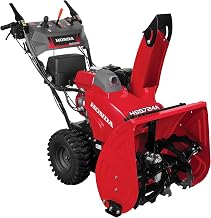
Self-propelled drive systems reduce effort. Track drive models provide superior traction on icy surfaces, while wheeled units are lighter and easier to turn. Multiple forward speeds let you match pace to snow conditions. If you have a long, sloped driveway, consider a track drive model like the Honda HSS928 for extra grip. For smaller properties, a wheeled two-stage machine offers good balance of power and agility.
Final Thoughts
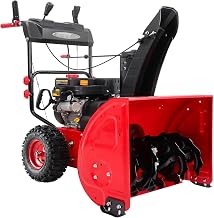
Choosing the best gas snow blower comes down to your property size and typical snowfall. For homeowners with long driveways and heavy snow, the HondaElectric Start and Track Drive delivers unmatched throwing distance and track traction, making it a premium long-term investment. If you need a powerful yet affordable option for medium driveways, the PowerSmart 24-Inch Gas Snow Blower with 212cc combines electric start, LED lights, and six forward speeds at a more accessible price point. Both models are built to handle the toughest winter storms with confidence.
Frequently Asked Questions
How often should I change the oil in a gas snow blower?
Most manufacturers recommend changing the oil after the first five hours of use, then annually or every 25 hours of operation. Always use the oil type specified in your owner’s manual. Fresh oil keeps the engine running smoothly through many winters.
Can I use a gas snow blower on gravel driveways?
Yes, but you need to adjust the skid shoes so the auger does not scrape gravel. Set them to a higher position to leave a thin layer of snow over the stones. This prevents the machine from picking up and throwing rocks, which can damage the impeller.
What is the difference between single-stage and two-stage gas snow blowers?
A single-stage blower uses a rubber auger to both scoop and throw snow, making it best for light, fluffy snow on paved surfaces. A two-stage blower has a steel auger that feeds snow into an impeller, which throws it farther. Two-stage models handle deeper, wetter snow and are better for larger areas. For more on electric options, browse our best electric snow blower guide.
Do gas snow blowers require winterization for storage?
Yes. Before storing for the off-season, run the engine until the fuel tank is empty or add a fuel stabilizer. Change the oil, clean the machine, and store it in a dry place. Proper winterization prevents carburetor issues and extends the blower’s life for the next snow season.


Write Your Review
No reviews yet. Be the first to share your experience!