

When the first major snowstorm of the season buries your driveway under two feet of powder, you need a machine that can chew through the heaviest drifts without hesitation. Three stage snow blowers are built for exactly this scenario, offering an extra impeller that accelerates snow removal and reduces clogging. Whether you manage a long gravel lane or a wide concrete driveway, this guide will help you find the best three stage snow blower for your property. We have evaluated fifteen models based on clearing capacity, build quality, ease of use, and long term reliability. For a deeper look at two stage alternatives, check out our best two stage snow blower guide.




Buying Guide: What to Look for in a Three Stage Snow Blower
Clearing Width and Intake Height
The clearing width determines how many passes you need to clear a path. Most three stage models range from 24 to 32 inches. Wider decks clear faster but require more power and storage space. Intake height matters for deep snow; a taller housing prevents snow from spilling over the top. For areas that get frequent lake effect snow, prioritize a machine with at least 24 inches of intake height.
Engine Power and Starting System
Three stage blowers demand robust engines, typically 250cc or larger. Electric start is a must for cold mornings, and battery powered models offer quiet operation with no fuel mixing. If you prefer gas, look for engines with reliable brands like Honda or Briggs & Stratton. For a comparison of gas versus electric options, see our best Husqvarna two stage snow blower review.
Throw Distance and Chute Control
A good three stage blower should throw snow at least 40 feet to keep it away from cleared areas. Remote chute rotation and deflector adjustment let you aim snow precisely without stopping. Joystick controls are popular, but some prefer hand crank systems. Test the chute range and ease of adjustment before committing.
Traction and Maneuverability
Self propelled models with track drive or large wheels handle icy slopes better. Track drive provides superior grip on packed snow, while wheeled units are lighter and easier to turn. Heated handles and LED headlights add comfort and visibility during early morning or nighttime clearing. For more on traction options, read our best single stage snow blower article.
Final Thoughts
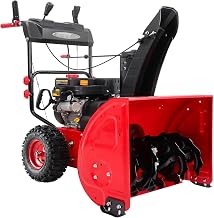
After evaluating performance, durability, and value, our top recommendations come from two distinct approaches. For sheer power and reliability, the HondaElectric Start and Track Drive delivers exceptional clearing capacity with a 28 inch width and track traction that conquers icy hills. If you prefer a more budget friendly option that still handles heavy snow, the PowerSmart 24-Inch Gas Snow Blower with 212cc offers a solid balance of features and affordability. Both models represent the best three stage snow blower choices for different needs and budgets.
Frequently Asked Questions
What is the difference between a two stage and three stage snow blower?
A two stage blower uses an auger and an impeller, while a three stage adds a second impeller or accelerator that breaks up snow more aggressively. This extra stage reduces clogging and allows the machine to handle deeper, wetter snow. For most residential use, a three stage is overkill unless you regularly face heavy, wet snow.
Do I need a three stage snow blower for my driveway?
If your driveway is under 100 feet and you get light, fluffy snow, a two stage model is sufficient. Three stage blowers excel in regions with frequent heavy snowfalls, long driveways, or wet, compacted snow. They also handle gravel surfaces better because the auger floats over the ground.
Are three stage snow blowers worth the extra cost?
Yes, if you value clearing speed and reduced effort. The extra impeller means fewer passes and less chance of clogging. In 2026, many three stage models also include electric start, heated grips, and LED lights, making them more convenient. For a overview of top tier options, see our best Cub Cadet three stage snow blower guide.
How do I maintain a three stage snow blower?
Change the oil annually, check the spark plug, and lubricate the auger and impeller bearings before each season. Store it with stabilized fuel or run the carburetor dry. For electric models, keep batteries charged and store them indoors. Regular maintenance ensures your machine lasts for many winters.


Write Your Review
No reviews yet. Be the first to share your experience!