

Splitting pine for your fireplace or campfire can be a breeze if you have the right equipment. Pine is softer than oak or hickory, but a dull or underpowered splitter can still turn a quick chore into an all-day struggle. In this guide, we focus on the best log splitter for pine, covering both electric and gas models that handle softwood with ease. Whether you’re a weekend warrior or a serious firewood producer, we’ve got you covered.
We’ve evaluated dozens of splitters based on tonnage, cycle speed, portability, and build quality. Our picks range from compact electric units for small jobs to powerful towable gas models for large-scale splitting. If you’re new to log splitters, check out our log splitters category for more background.
Safety note: Log splitters generate enough force to cause crushing injuries, and splitting can send wood fragments flying. Read the operator’s manual before use and wear safety glasses or goggles, work gloves, and steel-toe boots, plus hearing protection with gas models. Keep hands clear of the wedge and ram, let only one person load and operate the machine, and keep children, pets, and bystanders well away from the work area.



Buying Guide: What to Look for in a Pine Log Splitter
Tonnage and Splitting Force
Pine is a softwood, so you don’t need massive tonnage. A 6.5-ton electric splitter is plenty for most pine logs, especially if they’re knot-free. However, if you often encounter large-diameter pine rounds or knotty sections, a 20-ton or higher gas model gives you extra confidence.
For occasional home use, an electric splitter with 6.5 to 7 tons is a sweet spot. For commercial or heavy-duty use, consider a 25-ton or 40-ton gas unit. Remember, more tonnage usually means a heavier and more expensive machine.
Cycle Speed and Productivity
Cycle time is how long it takes for the ram to push through the log and return. Faster cycles mean you can split more wood in less time. Electric splitters typically have cycle times around 15 to 20 seconds, while gas models with two-stage pumps can be quicker.
If you’re splitting pine for a season’s worth of firewood, a faster cycle is a huge plus. Look for splitters with auto-return valves to reduce operator fatigue and boost efficiency.
Portability and Storage
Consider where you’ll be splitting and how you’ll move the splitter. Electric models are lighter and easier to store, but they need a power outlet nearby. Gas models are self-contained and can go anywhere, but they’re heavier and require fuel.
If you have a large property or need to split wood at remote locations, a towable gas splitter with wheels is ideal. For backyard use, a compact electric unit on a stand is convenient and easy to tuck away.
For more on choosing the right equipment for your property, check out our zero turn mower buying guide for insights on matching tools to your needs.
Final Thoughts
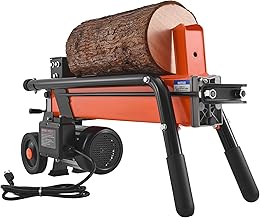
When it comes to splitting pine, the 20.5 in x 9.8 in Log Capacity BILT HARD electric splitter is a top pick for its balance of power and portability, perfect for most homeowners. If you need something more robust for larger jobs, the BILT HARD 27-Ton Towable Gas Powered Log Splitter offers the muscle and mobility to handle any pine log you throw at it. Choose based on your volume and mobility needs, and you’ll be splitting pine with ease in no time.
Frequently Asked Questions
What tonnage log splitter do I need for pine?
For most pine logs, a 6.5-ton electric splitter is sufficient. Pine is soft, so you don’t need the high tonnage required for hardwoods. If you encounter large or knotty logs, a 20-ton or higher gas model will give you extra power.
Can electric log splitters handle pine?
Yes, electric log splitters are ideal for pine. They’re quieter, cheaper to run, and require less maintenance than gas models. Just make sure you have access to a power outlet and choose a model with at least 6.5 tons of force.
How fast can a log splitter split pine?
Cycle times vary, but most electric splitters take 15 to 20 seconds per split. Gas models with two-stage pumps can be faster. For high-volume splitting, look for a model with a quick cycle and auto-return feature.
Is it better to split pine green or dry?
Green pine is actually easier to split because the moisture makes the wood more pliable. Dry pine can be more brittle and prone to stringy splits. However, green wood is heavier and may require more effort to move. For more tips on wood handling, see our article on mower decks for maintenance insights.


Write Your Review
No reviews yet. Be the first to share your experience!