

If you have ever wrestled with a massive, knotty log that refuses to split with a maul, you know the value of a reliable vertical log splitter. These machines let you stand logs upright and drive a wedge straight down, making quick work of even the toughest rounds. Whether you heat your home with wood or just enjoy a cozy fire pit, the right splitter saves hours of labor and protects your back. In this guide, we evaluate the best vertical log splitters of 2026 to help you choose a model that matches your workload, budget, and storage space.
We focused on models that offer true vertical splitting capability, not just horizontal machines with a stand. Our picks range from compact electric units for occasional use to massive gas powered towers for commercial scale production. For more advice on choosing equipment for your property, visit our Property Equipment resource page.
Safety note: Log splitters generate enough force to cause crushing injuries, and splitting can send wood fragments flying. Read the operator’s manual before use and wear safety glasses or goggles, work gloves, and steel-toe boots, plus hearing protection with gas models. Keep hands clear of the wedge and ram, let only one person load and operate the machine, and keep children, pets, and bystanders well away from the work area.


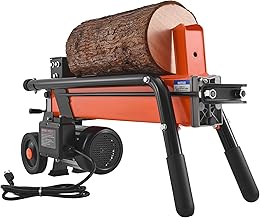


Buying Guide: What to Look for in a Vertical Log Splitter
Tonnage and Splitting Force
The splitting force, measured in tons, determines what size and type of wood you can break apart. For occasional use with seasoned hardwoods, a 6 to 10 ton electric splitter often suffices. If you regularly split large diameter rounds or green wood, aim for 20 tons or more. Gas powered models like the 20 Ton Gas Log Splitter-Full Boar Engine 209cc deliver the muscle needed for tough jobs.
Remember that tonnage ratings can vary between manufacturers, so look for verified user feedback on real world performance. Higher tonnage also means a heavier machine, which affects portability.
Engine Type: Gas vs. Electric
Electric log splitters are quieter, lighter, and require less maintenance. They work well near a power outlet and are ideal for suburban homeowners. The Electric Log Splitter 16 Ton for Firewood offers a strong balance of power and convenience.
Gas powered splitters provide independence from cords and outlets, making them suitable for remote woodlots. They also tend to have higher tonnage and faster cycle times. However, they require fuel, oil changes, and more storage space.
Portability and Storage
Consider how often you will move the splitter. Towable models with highway rated tires, like the BILT HARD 27-Ton Towable Gas Powered Log Splitter, are easy to transport between job sites. Smaller electric units often come with wheels and a stand for rolling around the yard. If storage space is tight, look for a compact design that fits in a shed or garage corner.
Also check the log capacity: maximum length and diameter affect how large a round you can split without extra handling. Most vertical splitters accept logs up to 20 inches long and 16 inches in diameter.
Durability and Build Quality
A log splitter is a long term investment. Look for a full beam or half beam steel construction that resists bending under heavy loads. The wedge design also matters: a wide angle wedge can split larger logs more aggressively, while a narrow wedge is better for stringy wood. Check for features like auto return valves that improve cycle speed and operator safety.
For more detailed comparisons, browse our Log Splitters category to see all our reviews.
Final Thoughts
Choosing the best vertical log splitter ultimately comes down to your specific needs: how much wood you split, how often, and where you work. For most homeowners who want a powerful yet portable solution, the BILT HARD 27-Ton Towable Gas Powered Log Splitter offers an excellent balance of splitting force and mobility. If you prefer a quieter, maintenance free electric unit for occasional use around the homestead, the Electric Log Splitter 16 Ton for Firewood delivers reliable performance without the fumes. Whichever you choose, a quality vertical splitter will transform firewood preparation from a chore into a satisfying part of your outdoor routine.
Frequently Asked Questions
What is the difference between a vertical and horizontal log splitter?
A vertical log splitter allows you to stand logs upright on the ground or on a built in cradle, so you can split large, heavy rounds without lifting them onto a beam. Horizontal splitters require you to place logs on a horizontal track, which can be more difficult for oversized pieces. Many modern splitters offer both orientations for maximum versatility.
How many tons do I need for a vertical log splitter?
For typical firewood use with seasoned hardwoods, a 20 ton splitter is sufficient for most logs up to 16 inches in diameter. If you frequently split large, knotty, or green wood, consider a 25 ton or higher model. Electric splitters in the 6 to 16 ton range work well for smaller, drier logs.
Can I use a vertical log splitter on uneven ground?
Most vertical splitters are designed with a stable base or towable trailer that can handle moderate unevenness. However, for safety and best performance, always place the splitter on level ground. If you work in rough terrain, look for a model with wide tires and a low center of gravity.
Are electric vertical log splitters powerful enough for hardwood?
Yes, many electric models in the 6 to 16 ton range can split hardwoods like oak and maple when the wood is dry and not too large. For larger or green logs, a gas powered splitter with higher tonnage is more effective. Always check the log capacity and tonnage rating before buying.


Write Your Review
No reviews yet. Be the first to share your experience!