

After a heavy storm or a weekend of pruning, your lawn can look more like a lumber yard than a garden. Branches, twigs, and leaves pile up fast, and hauling them to the curb is exhausting. A wood chipper turns that debris into useful mulch or compost material, keeping your yard tidy and reducing waste. For more on keeping your lawn healthy, you can also check out our how to choose a zero turn mower guide.
If you are shopping for a compact unit that fits your budget, this guide will help you spot the right tool for the job. We evaluated the most popular affordable chippers on the market and identified the key specs you should compare before making a decision. Whether you need to clear flower beds or keep pathways neat, the right chipper will save you hours of manual labor. For a deeper dive into lawn care, explore our zero turn mower buying guide.
Buying Guide: What to Look For in an Affordable Wood Chipper
Not all chippers are created equal. Within the budget segment, the differences in motor power, build quality, and safety features can be significant. Here are the four main factors we recommend weighing before you buy. And for a total lawn care picture, our guide to fabricated vs stamped mower deck explores how deck construction affects performance.
Motor Power and Type
The engine is the heart of any chipper. Electric models are quiet, start instantly, and need minimal upkeep, making them a natural fit for small properties. Gas-powered units deliver more torque and can handle thicker branches, but they are louder and require routine maintenance.
Consider the size of your yard and the type of debris you typically collect. If you only chip the occasional handful of stems, a compact electric motor is reliable and efficient. For frequent, heavy-duty use, a small gas engine provides the stamina you need.
Feed Capacity and Branch Diameter
The feed chute determines how much material you can process at once. Look for a spec that indicates the maximum branch diameter the blades can handle, usually around 1.5 to 2 inches for budget chippers.
Feeding branches that exceed that limit can clog the blades or damage the motor, so always match the chute to your most common debris. A wider chute also helps when you need to insert leaves in bulk, while a narrower one keeps everything aligned for a clean cut.
Safety Features
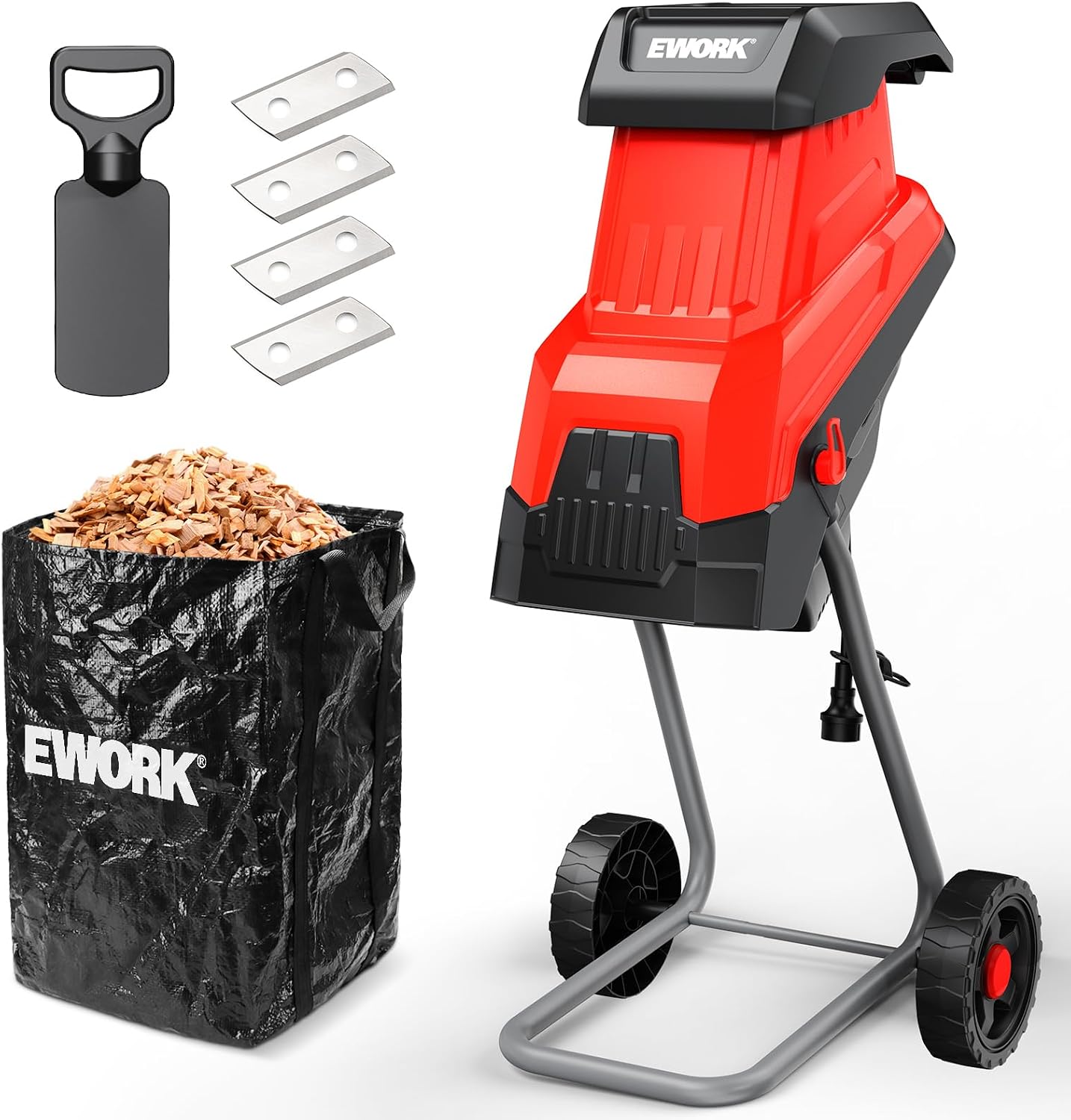
Rotating blades are dangerous, so a reliable chipper should include a safety switch, a hopper guard, and a push stick to keep your hands clear of the feed area. Overload protection is another valuable feature: it shuts the machine off before the motor burns itself out.
In 2026, more budget models are adding these safeguards as standard equipment. A two-handed start or a feed-stop function gives you extra control, especially if you are new to chipping.
Portability and Build Quality
A chipper that is difficult to move around your property becomes more of a burden than an asset. Look for sturdy wheels, a comfortable handle, and a frame that won’t buckle under repeated use.
A metal housing will outlast flimsy plastic shrouds, and a foldable design makes storage easier when the season ends. Once your chipper does its job, keeping your lawn healthy also means selecting the right mower deck, and our 42 vs 48 inch zero turn mower comparison can help.
Final Thoughts
Finding the best wood chipper for your budget comes down to matching the machine to your yard’s debris. For most homeowners, an electric unit with a 1.5-inch capacity is enough for routine pruning. If you regularly deal with thicker branches, a compact gas model gives you the extra power you need. Both styles are in our comparison list above, and either will make your property care far easier. Visit our wood chippers category page to explore all your options.
Frequently Asked Questions
What size branches can a budget wood chipper handle?
Most affordable chippers process branches up to about 1.5 inches in diameter. Soft, dry wood feeds easier than green, fibrous material. For larger limbs, you’ll need a heavier-duty machine or a different strategy.
Is it better to choose an electric or gas wood chipper?
Electric models are quieter, cleaner, and perfect for small yards, while gas units offer more power and portability without a cord. If you have a large property and thicker branches, gas is the stronger choice. For quick, local cleanup, electric keeps things simple.
What safety gear should I wear when using a wood chipper?
Always wear safety glasses, heavy gloves, and hearing protection, especially with gas engines. Keep loose clothing and long hair away from the feed chute, and never place your hands inside the hopper. Many chippers also come with a push stick to help you feed branches safely.
Can a wood chipper help reduce my yard waste?
Yes. Chipped material breaks down quickly and can be used as mulch or added to a compost pile. That reduces the volume you send to the landfill and enriches your soil. For a complete yard maintenance routine, you can pair it with a mower, and our article on zero turn mower vs robot mower explains the options available in 2026.


Write Your Review
No reviews yet. Be the first to share your experience!