

If your driveway, patio, or siding is covered in grime and you want a machine that delivers serious cleaning power without a premium price tag, a gas pressure washer is the way to go. Gas models offer higher PSI and GPM than most electric units, making them ideal for tough jobs like stripping paint, cleaning concrete, and blasting away years of dirt. In this guide, we’ve evaluated the best budget gas pressure washer for 2026, focusing on reliability, performance, and value for homeowners who need heavy-duty cleaning on a reasonable budget.
Whether you’re washing a two-story house, cleaning a large driveway, or restoring outdoor furniture, these machines can handle it. We’ve considered factors like engine quality, pump type, hose length, and included accessories to bring you a curated list of top contenders. Plus, we’ve included a few electric and battery-powered options for those who prefer quieter operation or cordless convenience. For more on choosing the right equipment for your property, check out our Property Equipment section.


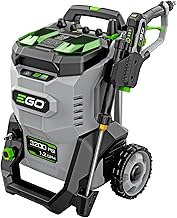


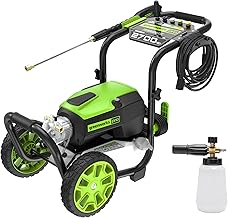


What to Look for in a Budget Gas Pressure Washer
Engine Power and Pump Quality
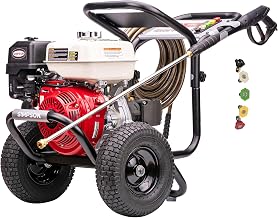
The engine is the heart of a gas pressure washer. Look for reliable brands like Honda, Briggs & Stratton, or the engines used by DeWalt and Simpson. A higher PSI (pounds per square inch) means more cleaning force, but GPM (gallons per minute) is equally important for rinsing efficiency. Most budget models offer between 2800 and 3600 PSI with 2.1 to 2.7 GPM. The pump type matters too: axial cam pumps are common and durable for residential use, while triplex pumps are more robust but usually found in higher-priced units.
Hose Length and Nozzle Options
A longer hose gives you more reach without moving the machine. Most gas models come with a 25-foot hose, which is adequate for most home tasks. Look for a machine that includes at least five quick-connect nozzles (0°, 15°, 25°, 40°, and soap) so you can adjust the spray pattern for different surfaces. Some models also include a foam cannon or surface cleaner attachment, which can save you time on large flat areas like driveways.
Portability and Storage
Gas pressure washers are heavier than electric ones, so consider the wheel size and frame design. Models with large pneumatic tires and a sturdy handle are easier to move across uneven terrain. Also check if the unit has onboard storage for nozzles, hose, and wand. A compact footprint helps if you have limited garage space. For more tips on maintaining your outdoor equipment, visit our Pressure Washers category page.
Warranty and Customer Support
A good warranty gives peace of mind. Most reputable brands offer at least a two-year warranty on the pressure washer and a limited lifetime on the frame. Check customer reviews for any common issues like pump failures or carburetor problems. A brand with strong customer support and readily available parts is worth paying a little extra for.
Final Thoughts
After evaluating the top contenders, we recommend the Gas Power Washer For Homeowners. Axial Cam Pump for its excellent balance of power, features, and reliability at a reasonable price. If you need maximum cleaning strength for heavy-duty jobs, the Westinghouse WPX3600 Gas Pressure Washer delivers impressive PSI and GPM that can tackle even the toughest grime. Whichever you choose, you’re getting a machine that will transform your outdoor cleaning tasks without exceeding your budget.
Frequently Asked Questions
Can I use a gas pressure washer on my car?
Yes, but you should use a wide spray pattern (40° nozzle) and keep the wand at least two feet away to avoid damaging paint. Many gas models have adjustable pressure settings or include a soap nozzle for gentle cleaning. Always try it on a small area first.
How often should I service my gas pressure washer?
Regular maintenance includes changing the oil after the first 20 hours of use, then every 50 hours or at the start of each season. Check the air filter, spark plug, and fuel system annually. Using fuel stabilizer when storing for winter is highly recommended. For more maintenance tips, see our Property Equipment guide.
What is the difference between PSI and GPM?
PSI measures the pressure or force of the water stream, while GPM measures the volume of water flow. For cleaning, you need both: higher PSI blasts away dirt, and higher GPM rinses it off faster. A good ratio for home use is around 3000 PSI and 2.5 GPM.
Are gas pressure washers better than electric?
Gas models generally offer higher PSI and GPM, making them better for heavy-duty tasks like stripping paint or cleaning large concrete areas. They are also portable without needing a power outlet. However, they are louder, heavier, and require more maintenance. Electric models are quieter, lighter, and easier to start, but may lack the power for tough jobs. Your choice depends on the cleaning intensity you need.




Write Your Review
No reviews yet. Be the first to share your experience!