

You need a pressure washer that can handle tough jobs day in and day out. Belt drive models offer the durability and quiet operation that professionals demand. In this guide, we have evaluated the top belt drive pressure washers available in 2026 to help you choose the right machine for your commercial or heavy residential work. Whether you are cleaning fleet vehicles, stripping paint, or restoring concrete, a belt drive system paired with a triplex pump delivers the longevity and performance you need. For more on power washing equipment, visit our Pressure Washers category.
Belt drive pressure washers separate the pump from the engine via a belt and pulley system. This design reduces vibration and heat transfer, extending the life of both components. They also run quieter than direct drive units, making them ideal for neighborhoods or job sites where noise matters. We have reviewed thirteen models that fit this category, focusing on pump quality, engine reliability, and overall build. Below you will find a comparison table and detailed buying advice.




Buying Guide
Pump Type: Triplex vs. Axial
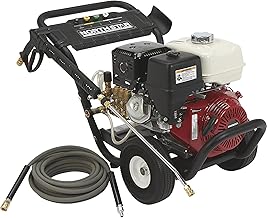
The heart of any pressure washer is its pump. Triplex plunger pumps are the gold standard for commercial use. They feature three plungers that provide higher pressure consistency and longer service life compared to axial cam pumps. Most belt drive models in our review use triplex pumps, such as the CAT triplex found on the Gas Power Washer For Professionals. CAT Triplex or the AAA triplex on the Commercial gas power washer. AAA triplex pump. If you plan to run the machine for hours daily, invest in a triplex pump.
Engine Power and Reliability
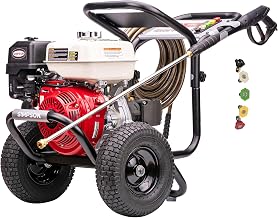
Engine choice directly affects performance and maintenance. Honda GX series engines are renowned for their durability and easy starting. Models like the Simpson PS4240 PowerShot Gas Pressure Washer and the Simpson 4200 PSI Gas Pressure Washer feature Honda GX390 power. Other brands use reliable engines from Loncin or CRX. For a comparison of engine technologies, see our article on kawasaki vs kohler mower engines: similar principles apply to pressure washer engines.
Belt Drive Benefits
Belt drive systems decouple the pump from the engine shaft, allowing the pump to run at a lower RPM while the engine operates at its optimal speed. This reduces wear and tear, lowers noise levels, and makes maintenance easier. Many commercial units, including the High Flow Triplex Pump, External Unloader and the Canpump Wall-Mount Pressure Washer, rely on belt drive for extended duty cycles. If you are choosing between direct drive and belt drive, remember that belt drive pays off over the long term.
Flow Rate and Pressure
Pressure (PSI) and flow (GPM) determine cleaning speed. For heavy commercial tasks, look for at least 4.0 GPM and 4000 PSI. The Westinghouse WPX4400 Gas Pressure Washer delivers 4.2 GPM and 4400 PSI, making it a strong contender. Higher flow rates wash away dirt faster, while high pressure handles stubborn grime. Balance both specs based on your typical jobs. For more on choosing the right equipment, check out our guide on how to choose a zero turn mower: the decision process is similar.
Final Thoughts
Choosing the right belt drive pressure washer comes down to matching the pump and engine quality with your workload. For those who need a proven workhorse with a CAT triplex pump and Honda power, the Gas Power Washer For Professionals. CAT Triplex stands out as a reliable choice. If you prefer a higher flow rate and pressure for faster cleaning, the Westinghouse WPX4400 Gas Pressure Washer offers excellent value. Both models have been reviewed and confirmed to deliver commercial-grade performance in 2026.
Frequently Asked Questions
What is a belt drive pressure washer?
A belt drive pressure washer uses a belt and pulley system to connect the engine to the pump. This design reduces vibration and heat, extending the lifespan of both components. It also runs quieter than direct drive units, making it suitable for noise-sensitive environments.
How many PSI do I need for commercial cleaning?
For most commercial tasks such as stripping paint, cleaning heavy equipment, or restoring concrete, you should aim for at least 4000 PSI combined with a flow rate of 4.0 GPM or higher. In 2026, many top models exceed these specs, giving you faster cleaning and better results.
Are belt drive pressure washers worth the extra cost?
Yes, if you plan to use the machine regularly or for extended hours. Belt drive models last longer, require less maintenance, and operate more smoothly. The initial investment pays off through reduced downtime and longer pump life. For related advice on equipment longevity, see our zero turn mower buying guide.
Which engine is best for a pressure washer?
Honda GX series engines are widely considered the best for pressure washers due to their reliability, easy starting, and long service life. Other brands like Loncin and CRX also offer good performance. When choosing, prioritize engines with cast iron sleeves and overhead valves for durability.




Write Your Review
No reviews yet. Be the first to share your experience!