

Every pressure washer eventually loses its heart. The pump wears out, pressure drops, and a once-powerful cleaning machine starts acting like a garden hose. If you are rebuilding an old unit or upgrading for tougher jobs, the right triplex plunger pump matters more than any other component.
Triplex pumps use three plungers to deliver smoother, higher-pressure output than axial cam pumps, which is why they dominate professional and semi-professional machines. In this guide, we evaluate the best triplex pump pressure washer options for 2026, covering flow rates, shaft compatibility, and build quality. For more equipment advice, visit our pressure washer resource center.
We have assembled a list of top-rated triplex pumps and complete pressure washers. The list includes electric flange models, horizontal replacements, and gas-driven units, so you can find the exact fit for your machine or a new washer that is ready to work.


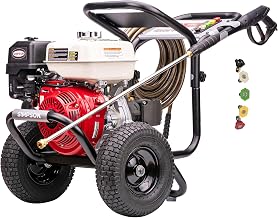

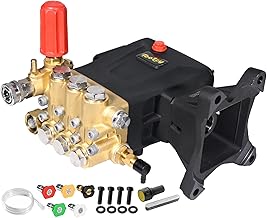


Triplex Pump Pressure Washer Buying Guide
Choosing the right pump starts with understanding how your machine is used. We focus on three core areas: flow rate, shaft fit, and construction. Keep these factors in mind and you will avoid costly mismatches. If you are new to outdoor power equipment, our Property Equipment hub is a helpful starting point.
Flow Rate and Pressure: Match the Pump to Your Work
Flow rate, measured in gallons per minute (GPM), controls how quickly you rinse. Pressure, measured in PSI, determines how aggressively the water cuts into grime. A 2.5 GPM pump is great for light residential tasks, while a 4.0 GPM unit dramatically reduces cleaning time on driveways and siding.
The General Pump Triplex Pressure Washer Pump 4.0 GPM delivers 3045 PSI, a balanced setup for many professional tasks. For gas-engine replacements, check horsepower. The 4.2 GPM Horizontal Gas Power Washer Replacement, for example, demands more power than the 3.0 GPM with Pressure Adjustment Unloader, which suits standard 5 to 7 horsepower engines.
A higher GPM is not always better if your engine cannot support it. Always balance PSI and GPM with the engine’s rated horsepower. Most residential pressure washers perform best between 2.5 and 3.0 GPM, while commercial applications favor 4.0 GPM and above. Two YAMATIC models in our list also cover this range, with one rated at 4000 PSI and another with 3400 PSI.
Shaft Size and Drive Type: Ensure a Direct Fit
Most replacement pumps come with a 3/4-inch or 1-inch horizontal shaft. Measure your engine’s shaft before ordering. Many Simpson replacements, such as the AAA Pumps 90038 Horizontal Triplex Plunger kit, use a 1-inch shaft for industrial use, while the Canpump CF 3030 G and other units fit 3/4-inch shafts.
Electric flange pumps, like the General Pump model, bolt directly to electric motors. Gas replacements require a direct-drive setup where the pump shaft connects straight to the engine. Confirm your configuration before purchase. Engine choice also affects performance; our Kawasaki vs Kohler engine comparison explains how different power sources behave.
Direct drive pumps spin at the same speed as the engine, so shaft length and keyway size must match. Some pumps include adapters, but you should verify the shaft diameter and rotation direction before committing. Self-priming models like the WOJET high-flow triplex pump simplify startup because they do not rely on gravity-fed water. The PowerBoost Technology, Horizontal Triplex kit is another option designed for the AAA 90037 replacement.
Build Quality: Brass Manifolds and Plunger Materials
Look for a brass manifold and ceramic plungers. Brass resists corrosion and handles high water temperatures, while ceramic plungers provide a smooth, hard surface for seals to run against. The YAMATIC pump with 5 nozzles is a solid value for Simpson owners who need a reliable replacement. The Gas Driven, External Unloader from Canpump also features a brass manifold and a 15-mm plunger for 6.5 hp engines.
Stainless steel valves and durable O-rings extend service life. If you see steel or aluminum manifolds, check whether the pump is built for occasional home use or continuous professional operation. Frame durability matters too on complete washers; our guide to fabricated vs stamped mower deck covers metal construction principles that apply to pressure washer frames.
Pump oil quality and a clear sight glass let you monitor fluid levels easily. Rebuild kits and replacement valves are widely available for these models, making maintenance simple over the life of the pump. The AAA Pumps 90038 Horizontal Triplex Plunger kit includes hardware and a siphon tube, so installation is more straightforward.
Replacement Kits vs. Complete Washers
Some buyers only need a new pump, while others want a ready-to-run machine. If your engine is still strong, installing a top-rated triplex pump kit restores performance for a fraction of the cost of a new pressure washer.
For a turnkey setup, consider a full washer like the Simpson Aluminum Series 3600 PSI with AAA triplex pump. It pairs a proven pump with a Honda GX200 engine, a combination trusted by professionals. The Self-Priming Horizontal Replacement Pressure offers another path, giving you a rebuild kit with an unloader for older Honda, Dewalt, or Generac washers. If you own a Simpson AAA 90034, 90039, or 90038, the YAMATIC 1-inch shaft pump includes five nozzles to get you started.
If you are shopping for a full machine, look for a vertical or horizontal shaft configuration that fits your space. Compact frames are easier to store, while heavy-duty steel frames offer stability during long cleaning sessions. Nozzle tips and adapters included in kits, such as the TOOLCY 3400 PSI pump, also reduce the need for extra purchases.
Final Thoughts
Choosing the best triplex pump pressure washer comes down to your engine, your workload, and your expectations. For a reliable electric replacement, we recommend the General Pump Triplex Pressure Washer Pump 4.0 GPM. If you prefer a gas-powered upgrade with strong flow, the Gas Driven, External Unloader is a dependable choice. Either way, you are getting a proven triplex design built to clean day after day.
Frequently Asked Questions
How long does a triplex pressure washer pump last?
With proper maintenance, triplex pumps can last well over 1,000 hours. Using a pump saver in winter and checking oil levels regularly are key. Many pumps in this guide use brass manifolds and ceramic plungers to extend service life.
Can I replace a triplex pump with a different GPM rating?
You should match the GPM and PSI to your engine’s horsepower. Bigger pumps need more horsepower, so installing a 4.0 GPM pump on a 5 horsepower engine can cause premature wear. Check the pump’s recommended horsepower range before buying.
What does the unloader valve do on a pressure washer pump?
The unloader diverts water back to the inlet when the trigger is released, protecting the pump from overpressure. Pumps like the 3.0 GPM with Pressure Adjustment Unloader let you fine-tune the pressure for delicate surfaces.
Do triplex pump pressure washers require special oil?
Most triplex pumps use non-detergent SAE 30 or 15W-50 oil, depending on the climate. Check the manual for capacity and change the oil after the first 50 hours, then every 300 hours. Clean oil is the cheapest insurance for a long pump life.
What is the difference between a triplex pump and an axial pump?
Triplex pumps have three plungers that move independently, producing a smoother, more consistent flow and higher pressure. Axial pumps are lighter and cheaper but wear out faster under constant heavy use. If you are investing in a zero turn mower or other power equipment, our zero turn mower buying guide offers similar comparison insights.


Write Your Review
No reviews yet. Be the first to share your experience!