

Oil stains on a concrete driveway or garage floor can feel like permanent damage, but the right pressure washer and cleaner can make them disappear. We put together this guide to the best pressure washer for oil stains, focusing on machines that deliver strong pressure, steady water flow, and options for applying detergents that break down grease, transmission fluid, and other stubborn petroleum marks.
We evaluated machines and cleaners based on pressure ratings, water flow, nozzle versatility, and ease of use. If you are also planning a full yard refresh, our zero-turn mower buying guide covers mower sizing, engine choices, and deck options for the rest of your property.
Top Products for Oil Stain Removal


How to Choose the Best Pressure Washer for Oil Stains
The best pressure washer for oil stains is about more than raw PSI. You also need a soap system, durable hoses, and the right nozzle selection. These criteria help you compare models confidently and pick a washer that matches the size of your driveway and the severity of the stains.
Pressure and Water Flow Matter
Oil and grease cling to porous concrete, so you need enough pressure to push the cleaner deep into the surface. A unit rated at 2,000 PSI can handle fresh spills, but 3,000 PSI or higher makes quicker work of old, baked-on stains. On top of pressure, consider the flow rate, which is measured in GPM. Higher GPM means you can rinse away emulsified oil faster and avoid leaving soap residue behind. Together, PSI and GPM determine how quickly a driveway cleaning job gets done.
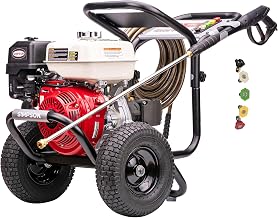
Gas-powered washers like the 4.0GPM 209CC with 5 Nozzles Set offer the highest combination of pressure and flow, making them a strong choice for large concrete pads. Electric units, such as the 4 Nozzles and 500ml Foam Cannon model rated at 5,000 PSI, give you standalone power without the noise of a gas engine. You can compare these options in our pressure washer category, which keeps the focus on machines built for serious outdoor cleaning.
Electric vs Gas Power
Your choice between electric and gas affects weight, maintenance, and runtime. Electric pressure washers plug into a standard outlet, start instantly, and need almost no upkeep aside from winter storage. The 4 Nozzles and 500ml Foam Cannon electric model is a good yard example; it includes three pressure levels and a foam cannon for pre-soaking oil patches. It also comes with a long hose and GFCI cord for safe use around water.
Gas pressure washers are heavier and noisier, but they produce high flow and steady pressure for hours. The 4200PSI gas unit in our list delivers the sustained power you need for large driveways and farm workshops. If you choose gas, keep the engine in good condition with a high-quality oil such as the Pressure Washer Premium 4-Cycle Engine Oil. This simple step prevents overheating and carbon buildup, which matters when you are using the washer for long sessions.
Use the Right Cleaning Solution
Water alone cannot dissolve petroleum-based residue. You need a detergent designed to break the bond between oil and concrete. Simple Green Oxy Solve Concrete and Driveway is a proven concentrate for this job, and Krud Kutter Multi-Purpose Pressure Washer is another strong option. Both feed through standard soap injectors and work well with a pressure rinse.
For wood decking and fences, Simple Green Oxy Solve Deck and Fence Pressure Washer Cleaner offers a gentle but effective formula, while Simple Green Pro HD Heavy Duty Cleaner Concentrate handles general grime. Apply the cleaner, let it dwell for five minutes, then rinse from a low angle. This method keeps oil from migrating deeper into the slab. If you are managing several outdoor projects, our property equipment hub has more maintenance tips.
Attachments and Nozzles
A surface cleaner is one of the most valuable add-ons for oil stain removal. It spins jets across a wide area, so you cover more ground with fewer passes and avoid leaving tiger stripes on concrete. Models rated for 2,000 to 4,000 PSI work with most gas and high-end electric washers. The Rated 2000-4000 PSI, Rotating Jets Deliver 10X surface cleaner is a good example of this attachment, and it comes with wheels for easy movement.
Nozzles matter just as much. A 15-degree nozzle blasts stubborn oil spots, while a 40-degree nozzle rinses gently after degreasing. A 6-in-1 nozzle set simplifies switching between these angles. Just as deck size affects mower efficiency, nozzle coverage affects washer efficiency; our 54 vs 60 inch zero turn mower explains a similar trade-off for mowing.
Final Thoughts
For serious driveway oil stains, the gas-powered 4.0GPM 209CC with 5 Nozzles Set gives you the flow and pressure to power through built-up grime, and pairing it with Krud Kutter Multi-Purpose Pressure Washer makes the job even easier. If you have lighter stains or a smaller concrete pad, an electric model with a foam cannon and multiple pressure levels also works well. Pick the setup that fits your driveway size and cleaning frequency.
Frequently Asked Questions
What PSI do I need for oil stains on concrete?
In 2026, most top-rated pressure washers for concrete cleaning land between 2,000 and 4,000 PSI. That power level is enough to break up oil stains without damaging the surface. Higher GPM also matters because it flushes dissolved oil out of the pores rather than just moving it around. If your stain is old and dark, aim for the upper end of that range.
Can I use a pressure washer with just water to remove oil stains?
Water alone can remove fresh oil if you act quickly, but dried or embedded stains need a degreaser. Apply a cleaner like Simple Green Oxy Solve Concrete and Driveway or Krud Kutter Multi-Purpose Pressure Washer, then let it sit for a few minutes. Pressure rinsing afterward lifts the emulsified oil away. This combination works for both small stains and larger driveway patches.
How do I remove oil stains from asphalt without damaging the surface?
Asphalt is softer than concrete, so you need to be careful with pressure. Use a wide nozzle and keep the wand moving to prevent pitting. A setting around 1,500 to 2,500 PSI is usually safe, and an adjustable machine makes it easy to dial down. In 2026, many electric washers come with multiple pressure levels specifically for this kind of surface.
Should I use a surface cleaner for oil stains?
Yes, a surface cleaner with rotating jets delivers more even coverage and prevents streaking on flat concrete. It also keeps the cleaning solution in contact with the stain longer, which helps break down grease. Use it after applying your degreaser for the most efficient clean. For more equipment sizing guidance, check our 48 vs 54 inch zero turn mower.




Write Your Review
No reviews yet. Be the first to share your experience!