

Picture this: your lawn takes a full afternoon with a traditional tractor, and the lines never look crisp. You need something faster, tighter, and more enjoyable to operate. A zero turn mower is the answer, but with so many deck sizes, engine options, and features on the market, choosing the right one can feel overwhelming. This guide is designed for homeowners and property managers who want to understand how to choose a zero turn mower without getting lost in spec sheets.
We’ll walk you through the essential buying factors, highlight useful resources for maintenance and decision-making, and share a few tools that can simplify your ownership experience. If you’re comparing this category to other lawn care options, our zero turn mower buying guide provides a deeper look at the fundamentals.

Pros
- Easy to follow troubleshooting approach for common lawn mower problems
- Covers a wide range of maintenance tasks, from oil changes to carburetor repair
- Compact 49 page guide that gets straight to the point
- Large page size ideal for workshop reference
- Perfect customer rating reflects practical value
Cons
- Short length may leave advanced mechanics wanting more depth
- Not a model specific manual, so some repairs may vary by mower brand
- Limited hands-on feedback from buyers is available at this time
The Lawn Mower Fixer is a hands-on guide for anyone who wants to stop paying for costly repairs. Written by Jacob E. Helton, this 49 page manual covers the most common problems and solutions for maintaining a reliable mower.
The book earns a perfect customer rating by delivering practical troubleshooting advice. It walks through seasonal tune-ups, oil changes, spark plug care, filter cleaning, muffler replacement, fuel tank maintenance, carburetor repair, brake service, flywheel inspection, fuel pump replacement, and rewind wire replacement.
The large 8.5 by 11 inch format makes it easy to keep open in the workshop. The independently published layout is straightforward and focused, so readers can quickly locate the task they need.
The main drawback is the short length. Some advanced repairs may only get a summary treatment, and experienced mechanics might want more detail. Beginners will need basic hand tools and a willingness to learn.
Overall, this guide is a smart purchase for DIY homeowners and first-time mower owners. It covers essential maintenance without overwhelming the reader, making it a useful reference for keeping a mower running season after season.
This independently published guide is written in English and released on January 5, 2025. The print length is 49 pages with an ISBN-13 of 979-8305576870.
The book measures 8.5 x 0.12 x 11 inches and weighs 6.4 ounces, making it a lightweight and portable workshop companion. It is listed under Home Repair and Automotive Engine Mechanics categories.

Choosing the Right Zero Turn Mower: Key Buying Criteria
Every lawn is different, and the best zero turn mower for your neighbor may not suit your property. Focus on these four key areas to narrow your choices quickly.
Deck Size and Terrain Fit
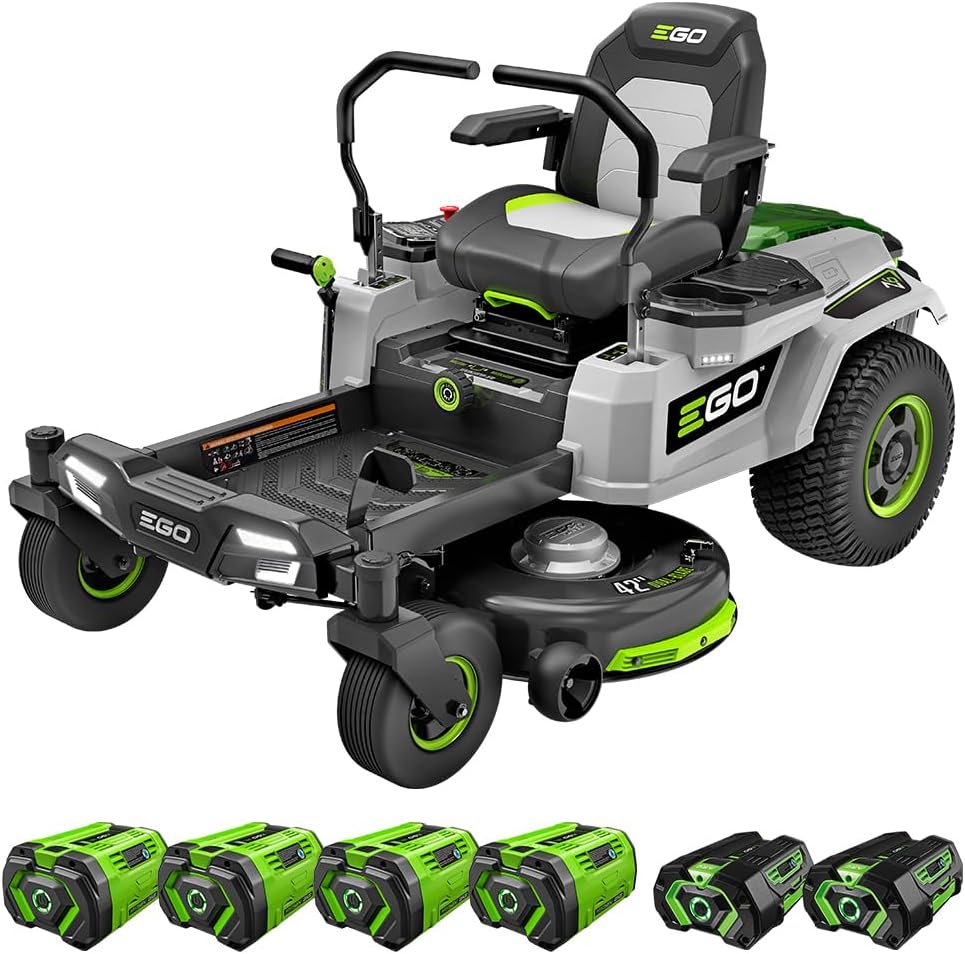
Deck width determines how many passes you need to make, and it should match both your lawn size and the terrain you navigate. A 42 or 48 inch deck suits smaller properties with tight corners, while 54 or 60 inch decks are better for wide-open spaces.
For hilly or uneven ground, consider a deck with adjustable height and a stable wheelbase. If you are debating between common sizes, our guide on 48 vs 54 inch zero turn mowers and our look at 54 vs 60 inch zero turn mowers can help you decide.
Engine Power and Type
The engine drives the blades and the drive system, so it directly affects cutting performance. For thick grass or slopes, you’ll want higher torque and a reliable engine brand.
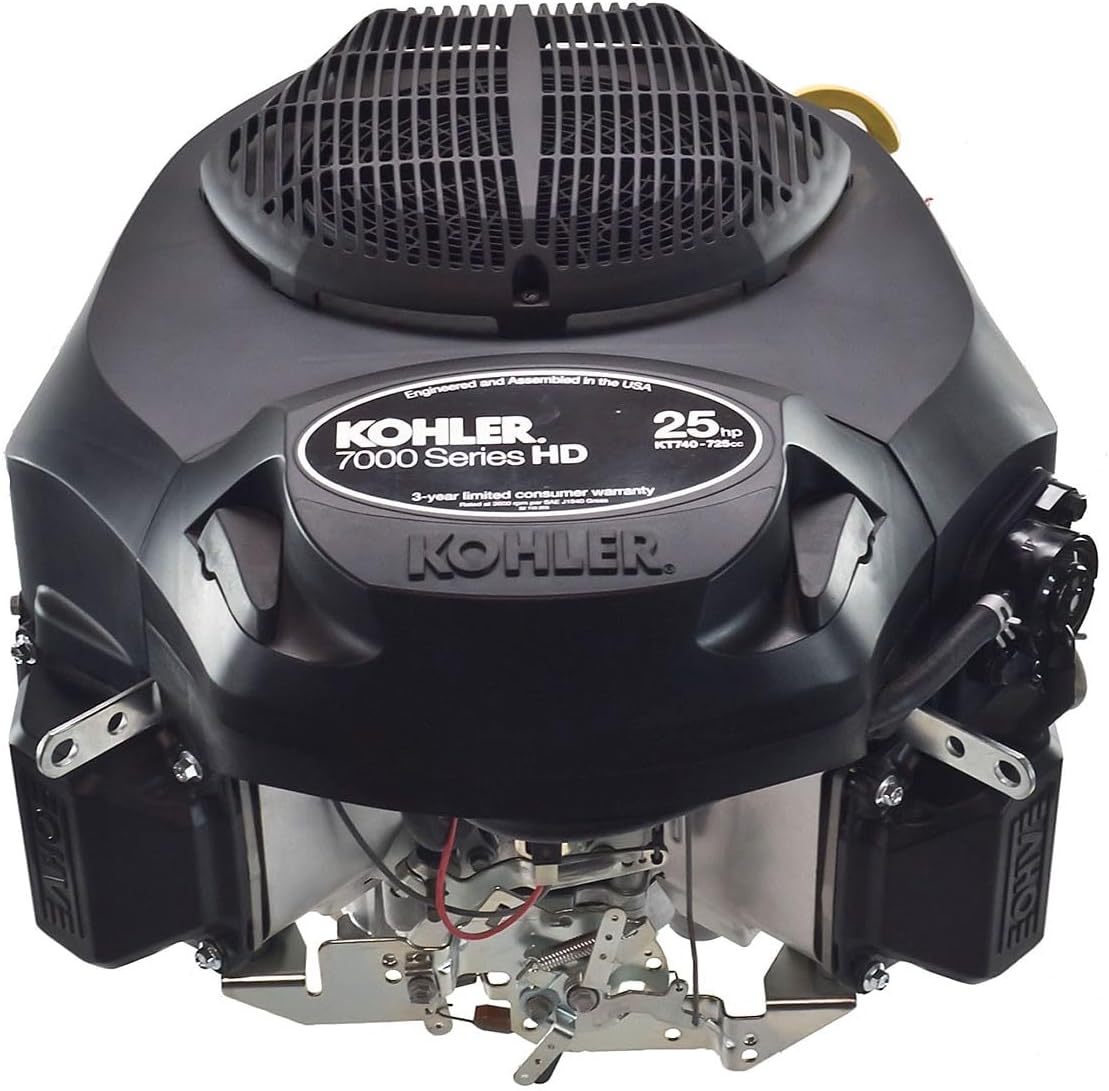
Kawasaki and Kohler are popular choices in zero turn mowers, each with distinct advantages. To pick the right one for your conditions, explore our comparison of Kawasaki vs Kohler mower engines.
Comfort and Operator Features
Long mowing sessions can wear you out if the seat is poor or the controls are awkward. Look for adjustable seats, ergonomic armrests, and straightforward controls that let you keep your eyes on the path ahead.
Features like cup holders, safety lights, and vibration dampening add a layer of convenience. If you are also exploring a fully automated alternative, the book Choosing the Perfect Robotic Lawn Mower walks you through the smart homework you need to do.
Maintenance and Repair Resources
Zero turn mowers rely on belts, blades, filters, and oil changes to stay reliable. Regular care is not difficult, but it helps to have a trusted reference on hand.
For a detailed walkthrough, Lawn Mower Fixer : How to Repair and Maintain Your is a practical guide for home mechanics. If you are interested in the business side, Repair your Mower Saving Time & Money and Buying covers both repair skills and flipping mowers as a side income.
Final Thoughts
Choosing the right zero turn mower comes down to matching deck size, engine power, comfort, and your willingness to stay on top of maintenance. For most homeowners, a mid-sized deck with a reliable engine and a comfortable operator station is the sweet spot. Before you buy, consider grabbing Lawn Mower Fixer : How to Repair and Maintain Your to prepare for routine care, or Choosing the Perfect Robotic Lawn Mower if you are leaning toward a hands-free alternative.
Frequently Asked Questions
What size zero turn mower should I choose for my lawn?
Measure your property’s total square footage and note obstacles such as trees and flower beds. For a half-acre lawn, a 42 or 48 inch deck is usually enough. As of 2026, deck sizes from 42 to 60 inches remain the most common range for residential and light commercial use.
Is a bigger engine always better for a zero turn mower?
Not necessarily. Bigger engines provide more torque, which helps with thick grass and slopes, but they also add weight, noise, and cost. Match the engine to your mowing conditions rather than assuming more horsepower is always ideal.
Are zero turn mowers harder to maintain than lawn tractors?
They require similar maintenance, including blade sharpening, belt inspection, and oil changes. Because they turn sharply, they can wear turf more quickly if you are not careful. A good repair guide makes these tasks straightforward.
Should I consider a robotic mower instead of a zero turn mower?
If you want hands-off mowing and have a relatively flat, open lawn, a robotic mower is worth exploring. Zero turn mowers are faster for large areas, but robots handle routine cuts quietly. See our comparison of zero turn vs robot mowers for help deciding in 2026.





Write Your Review
No reviews yet. Be the first to share your experience!