

If you are in the market for a zero turn mower, you know the decision involves more than just picking a brand. Deck size, engine type, terrain, and budget all play a role. This buying guide for 2026 will walk you through the key criteria and point you to essential resources that can save you time and money. Whether you are a first-time buyer or upgrading, understanding the nuances of zero turn mowers is crucial. For a deeper dive into deck size comparisons, check out our analysis of 48 vs 54 inch zero turn mower.
We have reviewed four expert-authored books and manuals that cover everything from maintenance to operation. These resources will help you make an informed purchase and keep your mower running for years.

Pros
- Honest, boots-on-the-ground advice from actual fleet deployment experts at Zippy Lawnz.
- Covers challenging scenarios like slopes, signal drops, and tight corridors that other guides ignore.
- Includes troubleshooting checklists for common errors, saving hours of frustration.
- Standalone volume that can be read in any order, perfect for quick reference.
- Written by a team with extensive field experience across all terrain types.
Cons
- Limited number of customer reviews to gauge long-term satisfaction.
- May be too brief for advanced users seeking in-depth technical specifications.
- Focuses primarily on Zippy Lawnz fleet experience, might not cover every brand equally.
The Robotic Lawn Mower Owners Handbook is a refreshingly honest guide written by the deployment team at Zippy Lawnz. It targets homeowners who own a robotic mower or are considering one, especially those with irregular, obstacle-filled yards. Unlike manufacturer brochures, this book addresses real-world issues like slopes, tight side corridors, and satellite signal dropouts.
What sets this guide apart is its focus on practical deployment strategies. The book covers everything from evaluating your property before purchase to advanced mapping techniques that minimize edging. The chapter on beating signal drop is particularly valuable, explaining how to configure Network RTK, GPS boundaries, and AI-vision backup systems. The troubleshooting section offers fleet-tested checklists for docking errors and traction failures.
Design and build quality reflect the book's utilitarian purpose. At 128 pages, it's concise and portable, with a weight of only 5.7 ounces. The layout allows readers to jump to any chapter without reading in order, which is ideal for busy homeowners. The language is straightforward and avoids marketing fluff, making complex topics accessible.
One potential drawback is the limited number of customer reviews, as the book is relatively new. Some advanced users may find the content too brief for deep technical dives, especially regarding specific mower models. However, the price point makes it a low-risk investment for anyone struggling with robotic mower setup.
Overall, The Robotic Lawn Mower Owners Handbook delivers on its promise to help manage complex yards effectively. It's a valuable resource for homeowners who want to eliminate frustration and get the most out of their robotic mower. Recommended for those with challenging terrain who need real-world advice, not theory.

Pros
- Covers a wide range of outdoor power equipment including mowers, tractors, weed eaters, and blowers.
- Provides a structured outline for troubleshooting common issues.
- Includes safety precautions and preventative maintenance tips.
- Affordable price point for a DIY guide.
- Part of a series for further learning.
Cons
- Lacks detailed illustrations and troubleshooting flowcharts as described in the product listing.
- Limited in scope; does not cover all types of repairs comprehensively.
- May not be helpful for complete beginners without prior mechanical knowledge.
How to Maintain and Repair Lawn Equipment and Riding Mowers is a DIY guide aimed at homeowners who want to take control of their lawn care equipment. It promises to turn you from a yardwork worrier into a lawn equipment master, covering everything from push mowers to riding tractors.
The standout feature is its structured outline approach, which helps you troubleshoot common problems like sputtering engines or hard starting. It also includes seasonal maintenance tasks and safety precautions, making it a useful reference for those who already understand the basics.
As a paperback with 150 pages, the book is lightweight and portable. However, the design is simple with minimal visuals. The product description promises detailed illustrations and flowcharts, but customer reviews indicate these are missing, with only a single outline of a push mower included.
The main drawback is that the content is more of a checklist than a step-by-step repair manual. Several customers found it worthless for actual repairs, especially beginners. The book does not provide the depth needed to fix complex issues, and the lack of visuals limits its teaching value.
Verdict: This guide is best suited for experienced DIYers who need a quick reference for maintenance routines. Beginners should look for a more illustrated, detailed manual. At its price point, it may still offer some value for those who just want a structured overview.

Pros
- Accessible to beginners with no mechanical training required.
- Covers the most common mower problems in one practical reference.
- Saves money by enabling owners to handle routine maintenance and minor repairs.
- Works for both gas and battery powered Husqvarna mowers.
- Compact 125-page format is easy to keep on hand in the garage.
Cons
- Not an official Husqvarna publication, so model-specific details may be limited.
- No verified customer reviews yet, which may make some buyers hesitant.
- Focuses on general principles rather than exact schematics for specific models.
The Husqvarna Lawn Mower Manual by Monroe Coleman is a straightforward, plain-English guide designed for owners who find factory manuals confusing or overly technical. It targets both first-time users and experienced owners who want a reliable reference for operating, maintaining, and troubleshooting their mowers without guesswork.
This book stands out by covering both gas and battery-powered models, including push and self-propelled variants. Step-by-step instructions explain the reasoning behind each task, helping readers understand their equipment rather than just follow rote steps. Common problems like hard starting, uneven cutting, vibration, and power loss are addressed with clear, actionable troubleshooting advice.
The manual emphasizes practical maintenance, from blade sharpening and deck cleaning to battery care and proper storage. It is intentionally compact, with 125 pages that fit easily in a garage shelf or toolbox. The focus is on principles that apply everyday, not dense technical diagrams, making it accessible for hands-on owners.
One limitation is that this is an independent publication, not an official Husqvarna manual, so it may lack model-specific specifications. As a newly released title with no verified reviews yet, some readers may want to wait for community feedback. That said, the content is logically organized and written to prevent costly mistakes.
Overall, this manual delivers on its promise to simplify mower care and reduce unnecessary repairs. For anyone who wants to extend the life of their Husqvarna mower and save money on professional service, this is a practical investment that pays for itself season after season.
Publisher: Independently published
Publication Date: December 24, 2025
Language: English
Print Length: 125 pages
ISBN-13: 979-8241128126
Item Weight: 6.2 ounces
Dimensions: 6 x 0.29 x 9 inches
Best Sellers Rank: #612,333 in Books

Pros
- Written in straightforward language, no prior mechanical knowledge required.
- Covers all major systems: engine, deck, hydrostatic drive, belts, and tires.
- Practical troubleshooting flow helps you logically diagnose issues.
- Lightweight and compact enough to keep in your garage or toolbox.
- Includes guidance on seasonal storage and maintenance schedules.
Cons
- No official digital or video content included, only print format.
- At 118 pages, some advanced repairs may be covered only at a high level.
- Specific to Husqvarna models; may not cover every variant or older series.
The Husqvarna Zero-Turn Mower Owner's Guide by Monroe Coleman is a practical, no-nonsense manual designed for owners who want to get the most out their mower. Whether you recently bought your first zero-turn or have years of experience, this guide provides clear, easy-to-follow instructions on operation, maintenance, and troubleshooting.
One standout aspect is its focus on logical problem solving. Instead of replacing parts randomly, the guide teaches you to start with the simplest possibilities and work toward the root cause. This method saves time and money while building your confidence in handling common mower issues.
The print is well-organized with sections on controls, cutting techniques, deck and blade care, hydrostatic drive problems, and seasonal storage. The language is straightforward and avoids unnecessary technical jargon, making it accessible even to those with no mechanical background.
Potential drawbacks include the relatively slim 118-page length, which means very advanced repairs may be covered only briefly. Additionally, as an independent publication, it is not an official Husqvarna manual, so some model-specific details might differ. However, for the vast majority of routine maintenance and troubleshooting, this guide is more than sufficient.
Overall, the Husqvarna Zero-Turn Mower Owner's Guide is a valuable companion for anyone looking to understand, maintain, and repair their mower. It earns a strong recommendation for its practicality, clarity, and homeowner-friendly approach.
Deck Size and Cutting Width
The deck size directly affects how quickly you can mow your lawn. For smaller properties, a 42-inch or 48-inch deck may suffice, while larger acreage benefits from 54-inch or 60-inch decks. Our guide comparing 54 vs 60 inch zero turn mower can help you decide. Consider your yard’s obstacles and terrain; a wider deck may be less maneuverable around trees and flower beds.
Engine Power and Type
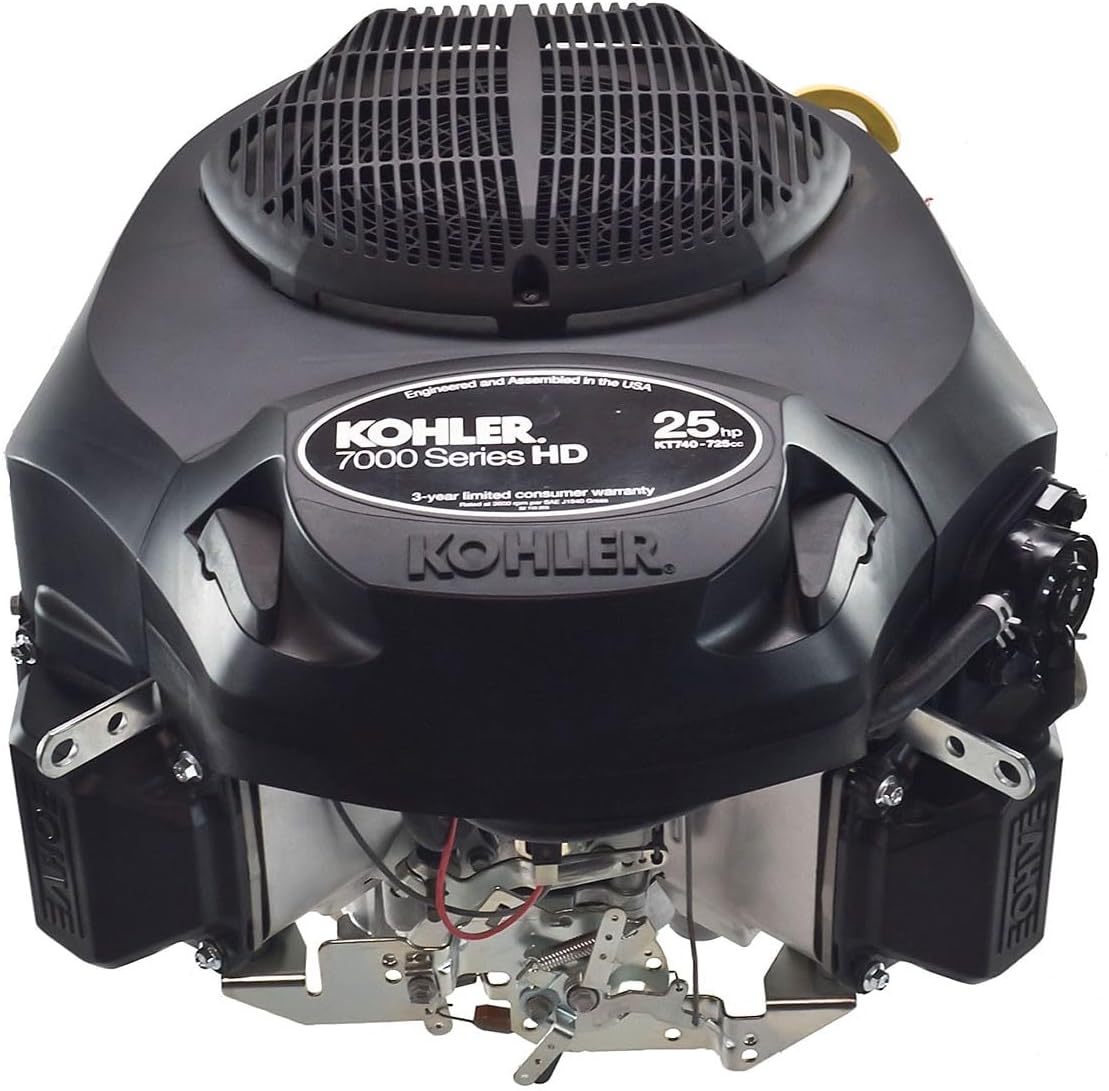
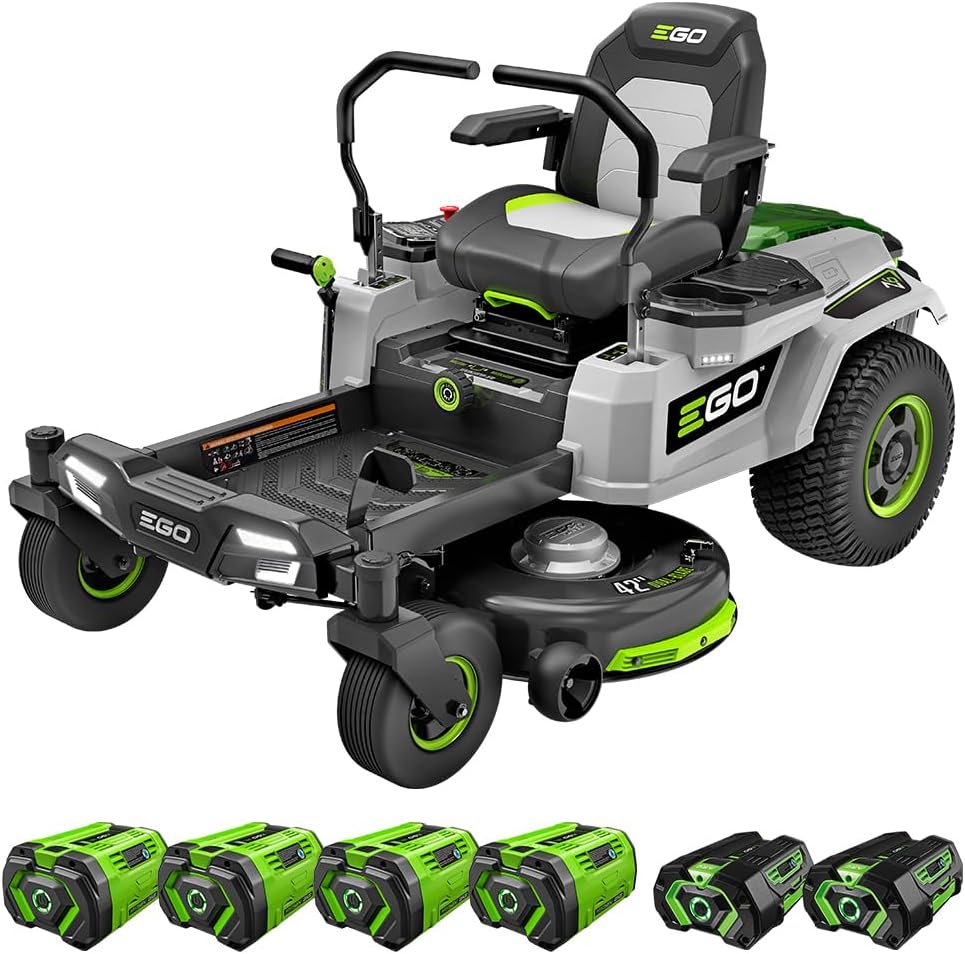
Engine horsepower and fuel type (gas or electric) influence performance and maintenance. Gas engines offer proven reliability, while electric models provide quieter operation and lower upkeep. For a detailed comparison, read our article on electric vs gas zero turn mower. Choose an engine that matches your mowing frequency and property size.
Maintenance and Longevity
A zero turn mower is an investment, and proper maintenance extends its life. Regular oil changes, blade sharpening, and belt inspections are essential. The book How to Maintain and Repair Lawn Equipment provides step-by-step guidance for keeping your mower in top shape. Also, the Husqvarna zero-turn mower owner’s guide is tailored specifically for Husqvarna models.
Learning Resources and Manuals
Even the best mower requires knowledge to operate efficiently. The Husqvarna Lawn Mower Manual covers operation, troubleshooting, and long-term care for gas and battery models. For those exploring robotic mowing as an alternative, The Robotic Lawn Mower Owners Handbook offers real-world advice for complex yards. Pair these with our comparison of residential vs commercial zero turn mower to match your needs.
Final Thoughts
Choosing the right zero turn mower comes down to understanding your property, your budget, and your willingness to maintain the equipment. For a comprehensive guide to operation and care, we recommend the Husqvarna zero-turn mower owner’s guide. If you are curious about robotic mowing as a complement or alternative, the The Robotic Lawn Mower Owners Handbook provides invaluable insights. Both resources will empower you to make a confident purchase and enjoy a pristine lawn.
Frequently Asked Questions
What deck size is best for a zero turn mower?
It depends on your lawn area. For under 2 acres, a 42-48 inch deck works well. For 2-5 acres, consider 54-60 inch decks. Our comparison of 48 vs 54 inch zero turn mower can help you decide.
How often should I service my zero turn mower?
Follow the manufacturer’s schedule, but a good rule is to change oil every 50 hours, sharpen blades after 25 hours of use, and inspect belts annually. The How to Maintain and Repair Lawn Equipment book covers this in detail.
Are zero turn mowers hard to operate?
They take some practice due to the steering system, but most users adapt quickly. Reading the owner’s manual, such as the Husqvarna zero-turn mower owner’s guide, helps you master controls and avoid common mistakes.
Can I use a zero turn mower on hilly terrain?
Yes, but choose a model with a low center of gravity and appropriate tires. Always mow up and down slopes, not across. For more on terrain considerations, see our guide on zero turn vs garden tractor.





Write Your Review
No reviews yet. Be the first to share your experience!