

Deciding on a riding lawn mower can feel like a research project. You’re weighing engine sizes, deck widths, transmission types, and lots of brand names. But the real question is: what does your yard actually need? This guide simplifies the process, helping you focus on the core factors that matter most. For a broader overview, see our riding mower buying guide.
Whether you’re a first-time buyer or upgrading from a push mower, the decision affects your weekends and your budget. With the right information, you can avoid the pitfalls of undersized engines or too-narrow decks. Let’s dive into what you need to know before you make that investment.

Pros
- Comprehensive coverage from startup to first clients, no prior knowledge needed
- Easy-to-follow language with jargon-free legal and business explanations
- Actionable checklists and templates for pricing, marketing, and scheduling
- Highly rated by readers with a perfect 5-star score from verified reviews
- Compact and portable at just 106 pages, perfect for quick reference on the go
Cons
- Relatively short at 106 pages, may lack depth on advanced scaling strategies
- Primarily focused on US market regulations, less applicable internationally
- Digital version not mentioned, print-only format may not suit all readers
Start a Lawn Care Business is a concise, no-nonsense guide written for aspiring entrepreneurs who want to launch their own lawn care service. Author Jon Nelsen distills years of industry experience into a clear roadmap that covers legal setup, equipment selection, pricing, and client acquisition. This book is perfect for complete beginners who feel overwhelmed by where to start.
The standout feature is its step-by-step approach: you move from forming your business entity to landing your first paying client without confusion. Real-world advice on pricing strategies and marketing tips that work in local neighborhoods sets it apart from generic business books. Readers praise its actionable checklists and templates, which make implementation straightforward.
At 106 pages, the book is compact and easy to digest. The layout is clean with clear headings and bullet points, making it ideal for quick reference. While the print quality is standard for an independently published title, the content is well-organized and free of fluff. It feels like a practical workbook rather than a dense textbook.
One potential drawback is its length: some readers may want more depth on scaling a business or handling complex financials. Additionally, the focus is heavily on US regulations, so international readers may need to adapt. However, for the price and purpose, it delivers exactly what it promises.
Our verdict: Start a Lawn Care Business is a solid investment for anyone serious about turning mowing into a profitable venture. It earns top marks for clarity, practicality, and immediate usefulness. If you are ready to stop dreaming and start mowing, this book is your blueprint.

Pros
- Comprehensive coverage of gas, electric, cordless, and robotic mowers
- Step-by-step instructions are easy to follow for beginners
- Focus on cost savings and extending mower life through proper maintenance
- Includes safety practices and tool recommendations for DIY work
- Highly rated by early readers for clarity and practicality
Cons
- Relatively short at 131 pages, may not cover advanced repairs in depth
- Only a handful of reviews available so far, limiting long-term feedback
- Available only in paperback format, no digital or Kindle edition mentioned
The Lawn Mowers Repair Handbook by Homer Morton is a practical DIY guide designed for homeowners and hobbyists. It covers servicing gas, cordless, electric, and robotic mowers, making it a versatile resource for anyone looking to maintain their yard equipment.
The book excels with step-by-step instructions for common repairs like blade sharpening, carburetor cleaning, and spark plug replacement. Early readers praise its clarity and actionable advice, which helps reduce reliance on expensive repair shops.
As an independently published paperback, the handbook is well-organized with clear headings and illustrations. At 131 pages, it is compact enough to keep in a workshop but comprehensive for essential maintenance tasks.
Some users may find the page count limiting for advanced repairs, and the book currently has only a handful of reviews. Additionally, it is only available in print, which may not suit those who prefer digital formats.
Overall, the Lawn Mowers Repair Handbook is a valuable investment for DIY enthusiasts. It delivers on its promise to save money and extend mower life, earning a strong recommendation for beginners and experienced owners alike.
ASIN: B0FPYK435S
Publisher: Independently published
Publication date: September 5, 2025
Language: English
Print length: 131 pages
ISBN-13: 979-8263927066
Item Weight: 11.4 ounces
Dimensions: 8.5 x 0.3 x 11 inches

Pros
- Easy to follow for beginners, with clear instructions and practical tests.
- Saves time and money by helping you fix the right part the first time.
- Comprehensive spec tables from real manufacturer documents you can trust.
- Covers a wide range of engines and equipment in a single handbook.
- Includes a durable bench card for quick reference in the workshop.
Cons
- Physical book only, no digital or video companion for those who prefer multimedia.
- Coverage is basic and may not satisfy experienced mechanics seeking advanced diagnostics.
- Independently published, so availability may be limited at some retailers.
The Small Engine Repair Handbook for Beginners is a practical guide designed for homeowners and DIYers who struggle with small engine problems. It focuses on the three essential diagnostic tests that pinpoint the issue without guesswork. This book is a perfect fit for anyone who owns a mower, chainsaw, generator, or snowblower and wants to fix it themselves.
Unlike generic online videos, this book provides exact specification numbers from manufacturer service documents, including torque values, spark plug gaps, and compression readings. The symptom index quickly directs you to the correct page, saving time when your hands are oily. The three-test approach (spark, fuel, compression) is proven to find almost every dead engine quickly.
The paperback format is sized to lie flat on a workbench (8.5 x 11 inches) and includes a durable bench card that can be laminated and kept in a toolbox. The layout is clean with tables and clear headings, making it easy to find the information you need while working. The book covers both 2-stroke and 4-stroke engines, with differences clearly marked.
Some advanced technicians might find the coverage basic, and there is no accompanying digital video library. However, for the intended beginner audience, the depth is exactly right. The book does not replace hands-on experience but gives you the numbers and steps to diagnose confidently.
Overall, this handbook delivers on its promise to stop replacing wrong parts. With a high rating from buyers, it is a reliable investment for anyone who wants to fix their small engine equipment with confidence. It is a must-have for your workshop bench.

Pros
- Solid heavy-duty construction feels commercial grade and durable.
- Foot pedal operation is smooth and intuitive, leaving hands free for safety.
- 19 inch lift height gives real clearance for blade and belt work.
- Wheels make it easy to reposition without carrying.
- Quick locking system is tool-free and simple to use.
Cons
- Assembly instructions are poor and may require trial and error.
- Some units may arrive with rusty springs or missing bolts.
- The spring-loaded mechanism can be stiff initially.
The GEARPASS Lawn Mower Lift Jack is a heavy-duty maintenance tool designed for owners of zero turn mowers and riding lawn mowers. With an 800 lb capacity and 19 inch lift height, it transforms back-breaking chores like blade sharpening and deck cleaning into safe, one-person tasks. This lift is ideal for DIYers who want to save time and avoid chiropractor visits.
Standout features include the foot-assist pedal that allows smooth, hands-free lifting and lowering. The quick locking lift system uses spring-loaded teeth to hook onto the mower deck without tools or pins. Real-world performance is impressive, with users reporting effortless lifts on 54 inch zero turns and enough clearance to swap blades and scrape grass buildup comfortably.
The build quality is solid, with high-strength carbon steel and a powder-coated finish that resists rust and corrosion. The integrated 5.9 inch wheels make it easy to roll around the garage, and the wide stable frame ensures the mower stays secure during service. A safety locking arm adds peace of mind when working underneath.
However, the assembly instructions are notoriously poor and some units may arrive with rusty springs or missing bolts. Putting it together may require trial and error, but once assembled it functions reliably. These quality control issues are worth noting but do not undermine the lift's core utility.
For anyone who maintains their own mower, this lift is a game changer. It pays for itself in avoided back pain and time saved. Despite minor assembly frustrations, the GEARPASS lift delivers commercial-grade performance at a reasonable price point. Highly recommended for zero turn and riding mower owners.

Pros
- Clear text and vivid images support early reading development.
- Teaches real-world vocabulary about landscaping tools and tasks.
- Engages children who are fascinated by outdoor equipment and vehicles.
- Portable size (8.5 x 8.5 inches) and lightweight design easy for small hands.
Cons
- At 24 pages, the book may be too short for children above preschool age.
- No customer reviews yet, making it hard to gauge overall satisfaction.
- As an independently published title, print quality may vary compared to major publishers.
Lawn Mowers & Landscapers: Easy Reader Edition is a picture book designed for young children, especially early readers and preschoolers. It focuses on common lawn tools and landscaping vehicles, making it a great choice for kids who love outdoor equipment or helping in the yard.
The book stands out for its simple vocabulary and bright, engaging illustrations. Each page features a different tool or vehicle, such as lawn mowers, weed wackers, leaf blowers, and wheelbarrows. The text is short and repetitive, which helps new readers build confidence while learning the names of these machines.
In terms of design, the paperback is lightweight and measures 8.5 x 8.5 inches, a manageable size for small hands. The independently published edition uses standard paper and full color images. While the print quality is adequate, it may not be as glossy or durable as mass-market children's books.
A potential drawback is the limited page count. With only 24 pages, some preschoolers might finish the book quickly, and older children may find it too simplistic. Additionally, there are no interactive elements like flaps or textures that some parents look for in toddler books.
Overall, this is a solid choice for parents seeking an educational yet fun introduction to landscaping tools for very young readers. It fills a niche topic that many children find fascinating. If your child enjoys trucks, lawns, or helping outside, this book is worth considering.

Pros
- Accessible to beginners with no mechanical training required.
- Covers the most common mower problems in one practical reference.
- Saves money by enabling owners to handle routine maintenance and minor repairs.
- Works for both gas and battery powered Husqvarna mowers.
- Compact 125-page format is easy to keep on hand in the garage.
Cons
- Not an official Husqvarna publication, so model-specific details may be limited.
- No verified customer reviews yet, which may make some buyers hesitant.
- Focuses on general principles rather than exact schematics for specific models.
The Husqvarna Lawn Mower Manual by Monroe Coleman is a straightforward, plain-English guide designed for owners who find factory manuals confusing or overly technical. It targets both first-time users and experienced owners who want a reliable reference for operating, maintaining, and troubleshooting their mowers without guesswork.
This book stands out by covering both gas and battery-powered models, including push and self-propelled variants. Step-by-step instructions explain the reasoning behind each task, helping readers understand their equipment rather than just follow rote steps. Common problems like hard starting, uneven cutting, vibration, and power loss are addressed with clear, actionable troubleshooting advice.
The manual emphasizes practical maintenance, from blade sharpening and deck cleaning to battery care and proper storage. It is intentionally compact, with 125 pages that fit easily in a garage shelf or toolbox. The focus is on principles that apply everyday, not dense technical diagrams, making it accessible for hands-on owners.
One limitation is that this is an independent publication, not an official Husqvarna manual, so it may lack model-specific specifications. As a newly released title with no verified reviews yet, some readers may want to wait for community feedback. That said, the content is logically organized and written to prevent costly mistakes.
Overall, this manual delivers on its promise to simplify mower care and reduce unnecessary repairs. For anyone who wants to extend the life of their Husqvarna mower and save money on professional service, this is a practical investment that pays for itself season after season.
Publisher: Independently published
Publication Date: December 24, 2025
Language: English
Print Length: 125 pages
ISBN-13: 979-8241128126
Item Weight: 6.2 ounces
Dimensions: 6 x 0.29 x 9 inches
Best Sellers Rank: #612,333 in Books

Pros
- Written in straightforward language, no prior mechanical knowledge required.
- Covers all major systems: engine, deck, hydrostatic drive, belts, and tires.
- Practical troubleshooting flow helps you logically diagnose issues.
- Lightweight and compact enough to keep in your garage or toolbox.
- Includes guidance on seasonal storage and maintenance schedules.
Cons
- No official digital or video content included, only print format.
- At 118 pages, some advanced repairs may be covered only at a high level.
- Specific to Husqvarna models; may not cover every variant or older series.
The Husqvarna Zero-Turn Mower Owner's Guide by Monroe Coleman is a practical, no-nonsense manual designed for owners who want to get the most out their mower. Whether you recently bought your first zero-turn or have years of experience, this guide provides clear, easy-to-follow instructions on operation, maintenance, and troubleshooting.
One standout aspect is its focus on logical problem solving. Instead of replacing parts randomly, the guide teaches you to start with the simplest possibilities and work toward the root cause. This method saves time and money while building your confidence in handling common mower issues.
The print is well-organized with sections on controls, cutting techniques, deck and blade care, hydrostatic drive problems, and seasonal storage. The language is straightforward and avoids unnecessary technical jargon, making it accessible even to those with no mechanical background.
Potential drawbacks include the relatively slim 118-page length, which means very advanced repairs may be covered only briefly. Additionally, as an independent publication, it is not an official Husqvarna manual, so some model-specific details might differ. However, for the vast majority of routine maintenance and troubleshooting, this guide is more than sufficient.
Overall, the Husqvarna Zero-Turn Mower Owner's Guide is a valuable companion for anyone looking to understand, maintain, and repair their mower. It earns a strong recommendation for its practicality, clarity, and homeowner-friendly approach.
Essential Factors in Choosing a Riding Lawn Mower
Yard Size and Terrain
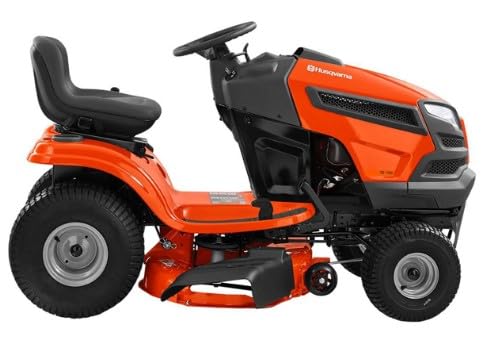
The size of your lawn is the starting point. For properties under one acre, a standard riding mower with a 38 to 42-inch deck might suffice. Larger properties, especially those with slopes or obstacles, benefit from zero-turn models with more agility. Assess the layout: are there tight corners, flower beds, or trees? That will dictate the steering and maneuverability you need.
If you’re unsure about the right size, check out this practical guide on what size riding mower you need for a detailed breakdown. Terrain also matters: hilly yards require more powerful engines and possibly a mower with better weight distribution.
Engine Power and Type
The engine is the heart of your mower. Horsepower ratings typically range from 14 to 25 HP, but higher power isn’t always better. What matters is torque for cutting thick grass and climbing slopes. For most residential properties, a 20 HP engine is adequate. However, if you have dense, wet grass or steep inclines, consider a higher torque engine.
Engine type also impacts maintenance. Gas engines are reliable but require regular oil changes and filter swaps. Battery-powered models are quieter and easier to maintain, but they may have range limitations. Understand the trade-offs before you commit.
Deck Width and Cutting Quality
The deck width determines how quickly you cover your yard. Wider decks reduce mowing time but may be less maneuverable in tight spaces. For a typical suburban lot, a 42-inch deck strikes a good balance. If you have expansive acreage, a 54-inch or larger deck cuts down on passes significantly.
Cutting quality is influenced by blade design and airflow. Look for a mower with a sealed or fabricated deck, as these often provide better grass lift and discharge. Also, consider the mulching capability if you prefer to leave clippings on the lawn.
Maintenance and Support Resources
A riding mower is a long-term investment, so you’ll want to keep it in top shape. That means having the right tools and knowledge. A reliable Lawn Mower Lift Jack makes deck cleaning and blade replacement safer and easier. Similarly, a comprehensive repair guide like the Lawn Mowers Repair Handbook can help you troubleshoot common issues without costly service calls.
Beyond personal upkeep, consider the availability of parts and dealers for your chosen brand. Brands like Husqvarna, John Deere, and Craftsman have extensive support networks. For a deeper look at brand-specific options, browse our top Husqvarna riding mower picks or the best Craftsman riding mower models.
Final Thoughts
Selecting the right riding mower is just the beginning. To keep it running smoothly, consider the Lawn Mower Lift Jack, 800 Lbs Heavy Duty Zero Turn for safe under-deck access and the Small Engine Repair Handbook for Beginners to handle mechanical hiccups with confidence. With these tools in your corner, your mower will serve you well for many seasons.
Frequently Asked Questions
How do I determine the right deck size for my lawn?
Measure your mowable area and consider obstacles. For under an acre, a 38 to 42-inch deck is typically enough. For larger properties, go wider to reduce mowing time. Always factor in maneuverability; a wide deck may not reach tight corners.
What is the difference between a lawn tractor and a zero-turn mower?
Zero-turn mowers pivot at the rear wheels, offering superior maneuverability and speed, ideal for complex lawns. Lawn tractors are simpler, often more affordable, and better for flat, open spaces. For a detailed comparison, see our article on zero-turn vs. lawn tractor for 2 acres.
How often should I service my riding mower?
Check oil levels before each use and change oil after every 50 hours of operation. Sharpen or replace blades once a season. Use a lift to inspect the deck and clean out grass buildup regularly.
Why is it important to read the owner’s manual for my specific mower model?
Manuals provide model-specific details for lubrication, belt tension, and safety checks. Neglecting these can void warranties and lead to premature wear. In 2026, many owners turn to aftermarket guides like the Husqvarna Lawn Mower Manual for clearer instructions.



Write Your Review
No reviews yet. Be the first to share your experience!